Two deep seaports, 460MW hydropower plant mark second wave of Renewed Hope PPP approvals
The Federal Executive Council (FEC) has approved three major Public-Private Partnership (PPP) projects valued at over ₦6.43 trillion, marking another significant inflow of private-sector capital into Nigeria’s infrastructure space.
The projects, two deep seaports and a 460-megawatt hydropower plant represent the second batch of PPP approvals within one month, reinforcing President Bola Ahmed Tinubu’s Renewed Hope Agenda, which prioritises private investment as a catalyst for economic growth and infrastructure delivery.
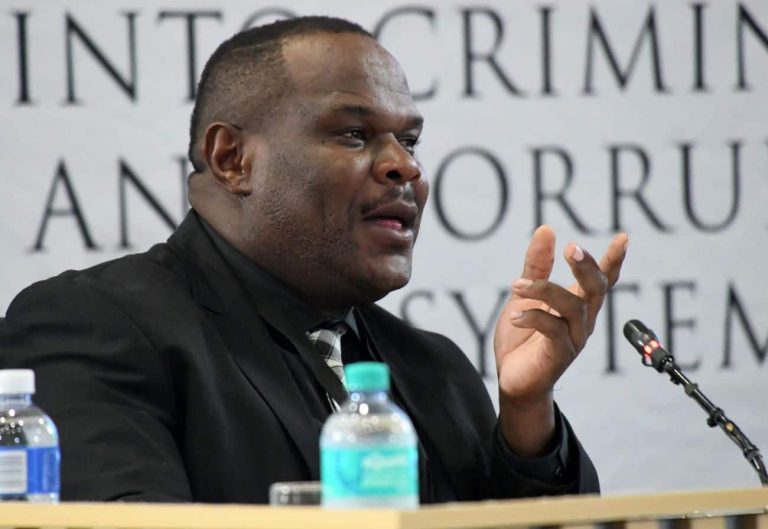
The approvals were disclosed on Friday in a statement issued by the Director-General of the Infrastructure Concession Regulatory Commission (ICRC), Jobson Ewalefoh.
According to Ewalefoh, the latest approvals are a strong indication that the Federal Government’s economic reforms are translating into concrete investor confidence.
“The Federal Executive Council has approved three transformative Public-Private Partnership projects, confirming an injection of over ₦6.43 trillion (approximately $4.29 billion) in private capital into the Nigerian economy,” the statement read.
He noted that improved policy clarity, economic liberalisation, and stronger regulatory oversight have helped unlock billions of dollars in long-term private investments.
Details of Approved Projects
The newly cleared projects form part of seven PPP initiatives endorsed by FEC within the last month, all under the regulatory supervision of the ICRC.
They include:
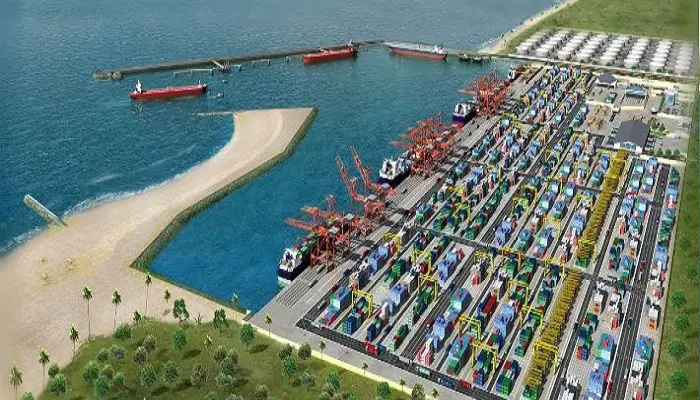
- Bakassi Deep Seaport – valued at $2.27 billion
- Port of Ondo Deep Seaport – valued at $1.14 billion
- Katsina-Ala Hydropower Plant (460MW) – valued at $878.1 million
All three projects will be fully financed, developed, and operated by private investors.
Ewalefoh said the approvals reaffirm the Tinubu administration’s commitment to using PPPs to boost trade efficiency, expand renewable energy, and strengthen Nigeria’s economic competitiveness.
Maritime Trade and Energy Expansion
He explained that the Bakassi Deep Seaport, a greenfield development, will serve as a new maritime gateway for the North-Central and North-East, while also positioning Nigeria as a major hub for West and Central African trade.
“The approval of the two deep-seaport projects alone, totalling over $3.4 billion in private capital, will fundamentally optimise our maritime trade routes and decongest existing port facilities,” Ewalefoh said.
He added that the Bakassi port will be designed to accommodate larger vessels and integrate an industrial cluster and Free Trade Zone, creating thousands of jobs.
The Port of Ondo Deep Seaport, he noted, is expected to unlock the South-West’s solid minerals and agro-allied value chains, positioning Ondo State as a new logistics and export corridor.
On power infrastructure, Ewalefoh described the Katsina-Ala Hydropower Plant as a landmark renewable-energy project.
“This 460MW greenfield project will help address Nigeria’s persistent electricity deficit while supplying reliable base-load power to the national grid and stimulating economic activity across the region,” he said.
Growing PPP Portfolio
The latest approvals follow the clearance of three PPP projects in November, including the Product Authentication and Tracking System, V-PASS contactless biometric platform, and the Port Harcourt International Airport concession, which together attracted $230.9 million in private capital.
With the latest decisions, the number of PPP projects approved in 2025 has exceeded 13, cutting across maritime, power, aviation, health, and industrial sectors.
Other PPP initiatives approved this year include the MediPool health initiative, NIMASA’s Maritime Electronic Management System, Ikere Gorge 6MW Hydropower Plant, Borokiri Coastal Fisheries Terminal, Farin Ruwa 20MW Hydropower Project, and the Enugu International Airport concession.
Ewalefoh commended President Tinubu for what he described as consistent backing for the ICRC, noting that strengthened regulatory institutions have repositioned the commission as a central driver of PPP development.
“These approvals reflect Mr President’s confidence in the ICRC’s mandate and further empower us to deliver greater value to the nation,” he said.
Private Capital to Bridge Infrastructure Gap
Nigeria has increasingly turned to PPPs to expand its ageing infrastructure amid tight public revenues and mounting fiscal pressures. Under the model, private investors finance, build, and operate major assets, with returns linked to user fees or long-term concessions.
The approach is seen as critical to Nigeria’s development needs, with estimates suggesting the country requires about $100 billion annually to close its infrastructure deficit.
The approvals further underscore the administration’s strategy to shift large-scale infrastructure financing to the private sector while strengthening regulatory oversight to attract long-term capital.
About the Author