New rollout aims to connect 23 million underserved Nigerians, strengthen surveillance, and support emergency response systems
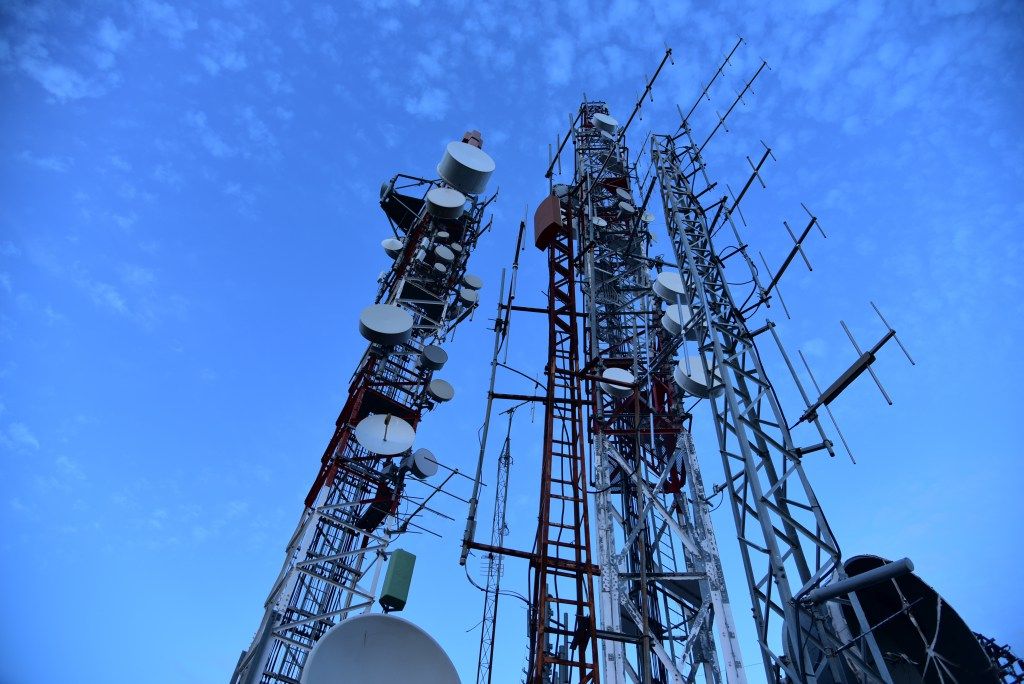
The Federal Executive Council has approved the installation of 4,000 telecommunications towers in underserved communities across Nigeria, a major step the government says will expand connectivity, improve national security, and support rural economic activity.
Minister of Information and National Orientation, Mohammed Idris, announced the decision on Wednesday while briefing State House correspondents after the council meeting at the Aso Rock Villa, Abuja.
According to Idris, the initiative forms part of the administration’s broader strategy to close the country’s connectivity gap and ensure that millions currently cut off from communication services can participate in the digital economy.
“The Federal Executive Council has taken a decision that 4,000 of such towers be established or erected in these very underserved communities across this country,” Idris said. “This will also help in fighting insecurity and enhancing commerce and economic activity amongst the people of those communities.”
He explained that the Minister of Communications and Digital Economy reported that about 23 million Nigerians remain underserved, unable to access basic voice or data services due to inadequate infrastructure. The new rollout, Idris added, is expected to significantly improve rural network coverage, boost security surveillance, and support emergency responders in remote areas.
Large sections of rural Nigeria continue to struggle with unreliable connectivity, conditions worsened by vandalism of telecom assets, high diesel costs for powering base stations, and multiple right-of-way charges imposed by different states. The connectivity gap has hindered both local commerce and critical security operations, including 112/761 emergency call services, cell-site triangulation, and real-time coordination in areas prone to attacks.
The approval comes days after President Bola Tinubu declared a nationwide security emergency on November 27, following a spate of kidnappings. As part of his response, the President announced new measures, including the recruitment of 20,000 additional police officers, deployment of forest guards, and strengthened protection of schools, churches, and mosques in high-risk zones.
Telecom operators have long advocated harmonised right-of-way fees, better protection of telecom installations, adoption of hybrid solar-powered systems, and increased tower co-location to reduce operational costs and expand coverage.
In another decision reached on Wednesday, the council approved the establishment of new agricultural mechanisation service centres in all six geopolitical zones. Idris said the centres will support all-year farming and boost food production nationwide.
On the health front, the Minister of State for Health and Social Welfare, Iziaq Salako, highlighted significant progress in Nigeria’s vaccination programmes. More than 14 million girls have received the Human Papillomavirus (HPV) vaccine, while nearly 30 million children were vaccinated with the new measles–rubella combination vaccine within the past year.
Salako said sustained funding for primary healthcare under the Basic Health Care Provision Fund will enable the government to expand immunisation programmes even further in 2026.
“The commitment in the MTF to sustain funding for the basic health care fund means that more primary health care centres will be revitalised, in line with the agenda of Mr. President,” he said. According to him, over 4,000 primary health centres have already been upgraded, with 8,000 more currently in progress.
He noted that the government’s renewed emphasis on social welfare is central to strengthening frontline health services that directly impact everyday Nigerians.
About the Author