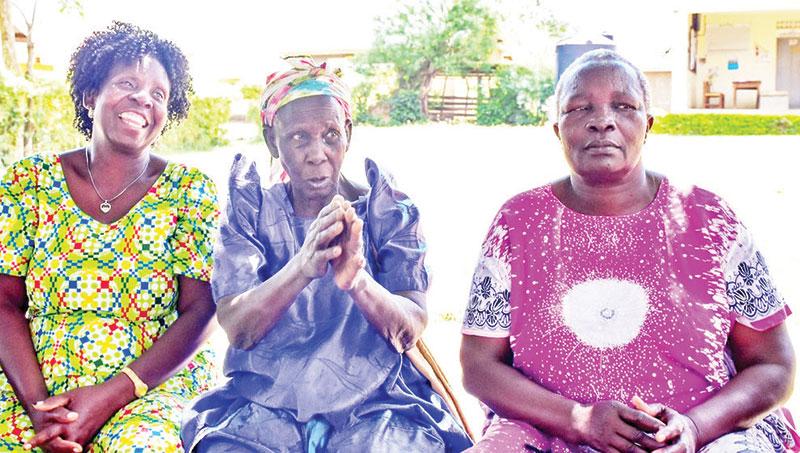
Amid rising cases of irresponsible parenting practices across the country, families are grappling with widening gaps between parents and children, largely driven by poverty, job-related stress, and growing social pressures.
Increasing levels of impoverishment, coupled with work stress and anger, have left many parents with little or no time to attend to their children. This has created significant parenting gaps, weakened family bonds and limited the transfer of values and life skills to the next generation.
Traditionally, parents led by example, instilling discipline, morals, and responsibility in their children. However, in recent years, practices such as indecent dressing, alcoholism, domestic abuse against women, and child neglect have become increasingly normalized in some communities, eroding the foundation of responsible parenting.
Against this backdrop, Action for Life Skills and Values in East Africa (ALiVE) launched a series of parental and community engagement activities through structured community dialogues.
The dialogues are designed to raise awareness of the importance of life skills and values, while encouraging shared responsibility for nurturing them at home, in schools, and across the wider community.
Delivered over a ten-week period, the sessions have emerged as a powerful catalyst for change, shifting caregivers’ attitudes and breathing new life into family environments. Implemented in districts such as Oyam, Tororo, Mukono, and Sheema, the initiative has led to visible improvements in parenting practices.
The parenting training programme has helped bridge the gap between parents and children. Families are now spending more time discussing household challenges, imparting cultural values, behavioural norms, and essential life skills to children.
Simon Ochieng, a father of four and a resident of Kasipodo village in Tororo district, says the training has significantly transformed his parenting practices and personal behaviour.
“I was a full drunkard and a father who had abandoned all responsibilities. I spent most of my time drinking,” Ochieng confessed.
“After the parenting training, I reformed. I was equipped with good parenting practices, and I am now committed to seeing the best out of my children.”
Ochieng says he has redirected his income from buying alcohol to meeting the basic needs of his family, noting that essentials such as meat and sugar had become rare in his household.
“I learned that all human beings learn through mistakes. When a child makes a mistake, it is also an opportunity to learn and become better,” he added.
Dr Mary Goretti Nakabugo, executive director of Uwezo Uganda, said as the facilitators of the training, emphasized the importance of nurturing children and deliberately cultivating their skills.
“Parents are increasingly appreciating the role of nurturing and skill development in children. They need this kind of support because no parent knows everything,” she said.
She noted that when parents share experiences with one another, they discover strategies they had never considered, yet which have been successfully used by others in raising children.
“As facilitators, when we introduce new ideas and encourage children to ask questions and be curious, they acquire knowledge and confidence that will carry them forward in life,” Dr Nakabugo added.
About the Author