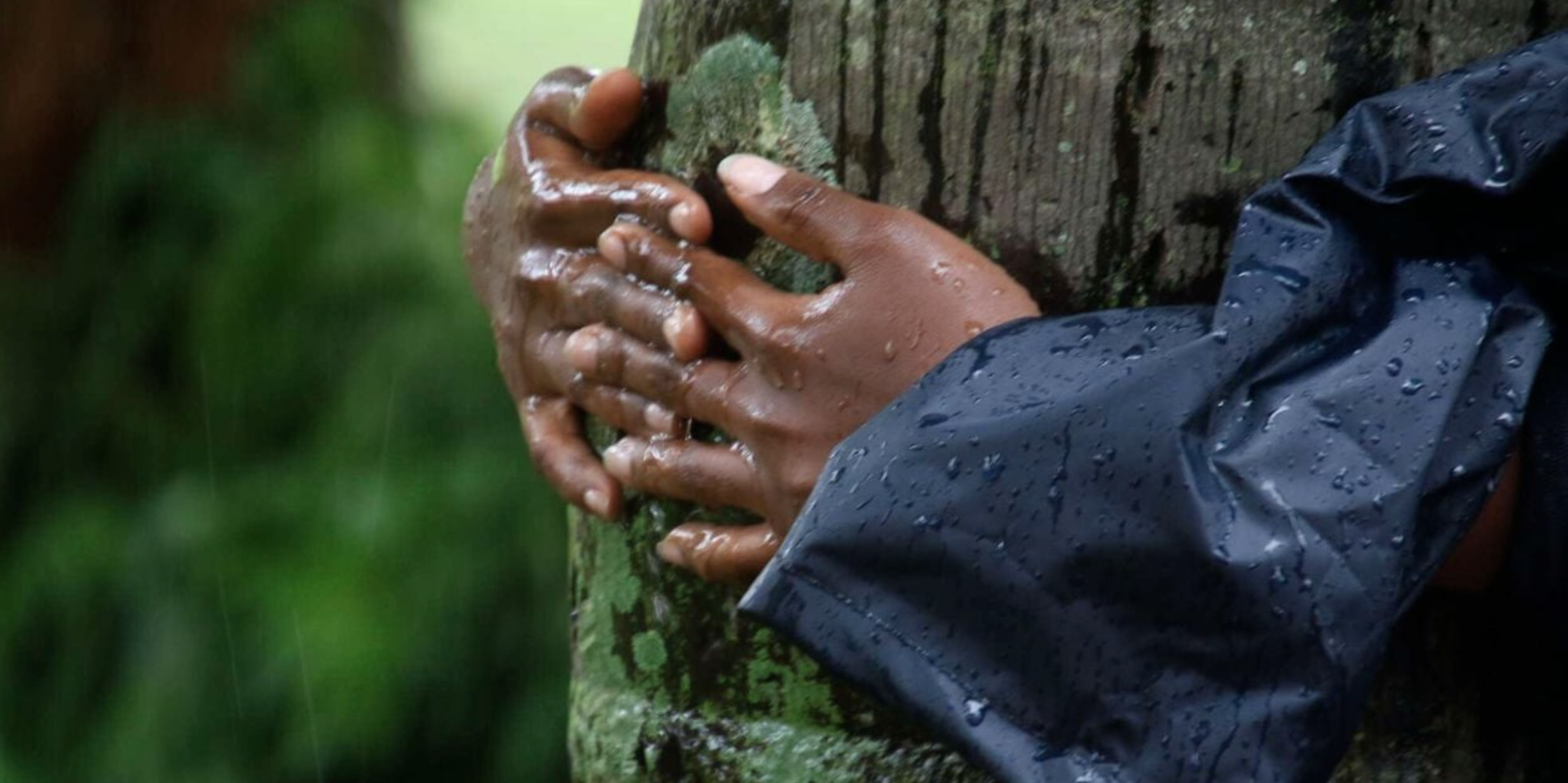
A 21-year-old environmentalist from Mathira Constituency, Truphena Muthoni, has been in the spotlight for her attempt to break the 72-hour tree-hugging marathon record.
From Tuesday to Thursday, she clasped an indigenous tree at the Nyeri Governor’s Office, enduring the elements for three days and three nights in pursuit of the record.
Her feat has sparked curiosity about what it truly takes to break a world record — and why anyone would push themselves through such an intense, physically demanding challenge.
George Achoka, who on February 14 this year, Valentine’s Day, attempted a Guinness World Record for giving 15,000 hugs in Nairobi’s CBD, is familiar with the process. Like Muthoni’s, his was also a marathon record. Nation reached out to him to shed light on what it takes to set or break a world record.
According to Achoka, for all Guinness World Records (GWR) attempts, the challenger must first identify the specific record they want to pursue. They then create an account on the Guinness World Records website, search for the record, and apply — a process that is free of charge. However, if the record being attempted has never been set before, a fee is required.
Part of the application process includes providing a justification for why the individual wants to set or break that particular record.
After submitting the application, GWR responds within three months (12 weeks) via email. Based on their assessment, they may approve or decline the attempt.
Once approved, they send a list of requirements and rules specific to the chosen record.
For marathon records such as the longest time hugging a tree, the basic rules include having a non-stop running clock and accredited witnesses (judges/observers) present throughout the entire attempt. The witnesses, working in shifts, document every detail of the duration.
A dedicated camera team must also record the entire attempt from start to finish.
A simplified checklist includes:
- Approval email from Guinness World Records, including official documents outlining the rules and requirements.
- Dedicated witnesses who will be present from start to end.
- A stopwatch or clock that runs continuously from hour zero to the final hour.
- A camera team to film the entire event, as the full footage must be submitted to GWR for verification.
Depending on the category, GWR may allow documented breaks. For marathon records, this is typically a five-minute break per hour.
When Achoka attempted his 15,000-hug record, he hired an audit firm to serve as witnesses. He adds that if one wants a Guinness World Records representative present, they must cover the representative’s travel and accommodation costs.
“If you want the record to be ratified immediately, you can facilitate the travel and accommodation of the Guinness World Records representative from the UK to witness the attempt, since there are no GWR representatives in Kenya,” he said.
He adds that witnesses must be professionals relevant to the nature of the attempt. In his case, which involved counting a statistical total of 15,000 hugs, the appropriate professionals were pollsters or enumerators.
“These people are supposed to act as GWR representatives, so I had to get a professional firm that deals with numbers, people who can prepare an accurate report without the errors that come with counting,” he said.
One is allowed to make as many attempts as necessary until the day they finally break the record; there is no limit to the number of registered attempts with GWR.
The individual attempting the record must cover all the costs involved. It is up to them to figure out how to finance the process, either through partnerships or personal resources, since GWR does not provide any financial support for record attempts.
About the Author