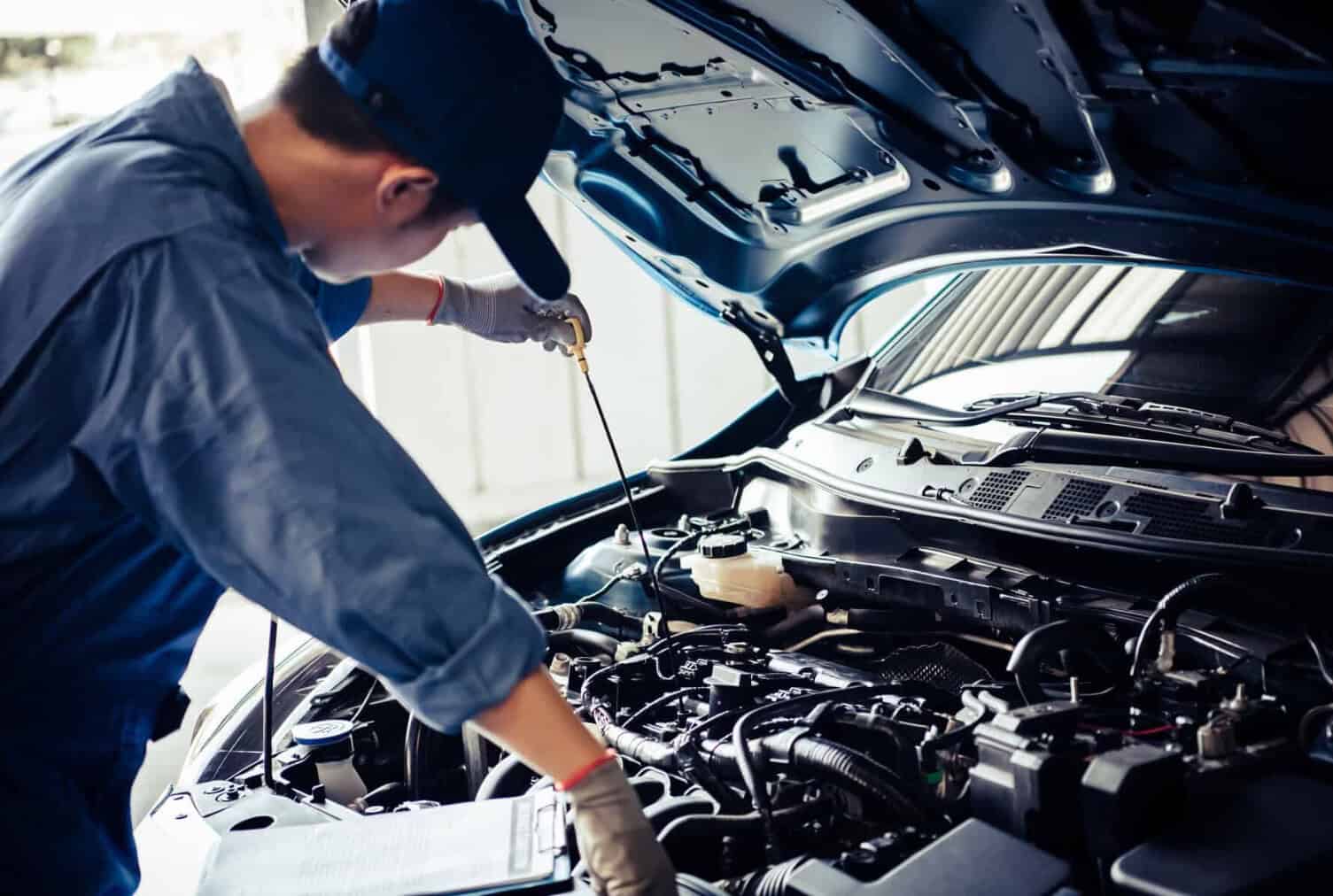
Informal vehicle mechanics and repairmen prefer not to formalise their businesses due to the excessive number of hoops they are required to jump through.
This insight was shared by the Retail Motor Industry Organisation (RMI) CEO, Ipeleng Mabusela, in a presentation to the portfolio committee on trade, industry and competition on Wednesday.
Mabusela’s presentation was part of a broader assessment of South Africa’s automotive industry and the implementation of an automotive master plan.
More than 9 500 accidents in 2025
RMI’s presentation noted there were 11 418 road fatalities from 9 674 accidents in 2025, and that four out of every five vehicles on the road did not receive an annual roadworthy test.
Mabusela stated that only trucks and buses were mandated to be tested annually, and he suggested passing legislation that would make regular testing of vehicles older than 10 years mandatory.
He used data from 2023 to show that vehicle crashes cost the economy R205 billion that year and warned that failing to address the nation’s road safety challenges would lead to increased financial losses and continued fatalities.
A lack of testing produced unroadworthy vehicles, said Mabusela, explaining that these vehicles led to accidents that were up to 30% more severe.
He believed that better vehicle compliance would breed better adherence to the rules of the road, as compliant vehicles encouraged safer driving.
‘Don’t want to go formal’
However, Mabusela said compliance costs were causing mechanics and consumers to cut corners.
RMI’s presentation asserted that the compliance burden was the same for small traders and large enterprises alike, but not scaled accordingly.
“Cost of compliance creates barriers to entry and reduces cash for business needs such as working capital,’ the presentation read.
RMI has a programme that supports informal business, but the CEO explained that informal businesses were reluctant to formalise due to regulations.
“The business owners tell us that they don’t want to go formal. There is all this red tape they have to go through, they have to register the business, plus tax and Sars [South African Revenue Service] stuff they don’t understand,” he said, relaying the complaints of informal business traders.
He said an adjusted risk-based compliance model would maintain safety, reduce costs, protect jobs and profitability, and support a transition from informal to formal business.
“We need to make it a lot easier for them to transition; otherwise, we will continue to have the danger of people needing to get their cars serviced or fixed, having cost pressure, and ending up going to one of their friends on the side of the road,” Mabusela said.
Declining workforce
Adding to the problem was the sharp decline in skilled workers in the automotive industry over the last 10 years.
In 2014, the country had 19 506 skilled workers in the industry, which had declined to 13 468 by 2024.
While the number of apprentices increased from 1 764 to 3 969 in the same period, it was not enough to cover the 31% decline.
The RMI CEO noted that the skills drain is driven by competition in the global job market.
“If you are very talented working with your hands in South Africa, you end up in Australia, the UK [United Kingdom] or the US [United States]. Our technicians are highly sought after,” said Mabusela.
He stressed that the shortage of skilled workers resulted in longer repair times and higher repair costs.
NOW READ: Matriculants urged to shift gears and consider a career in this dynamic industry
About the Author