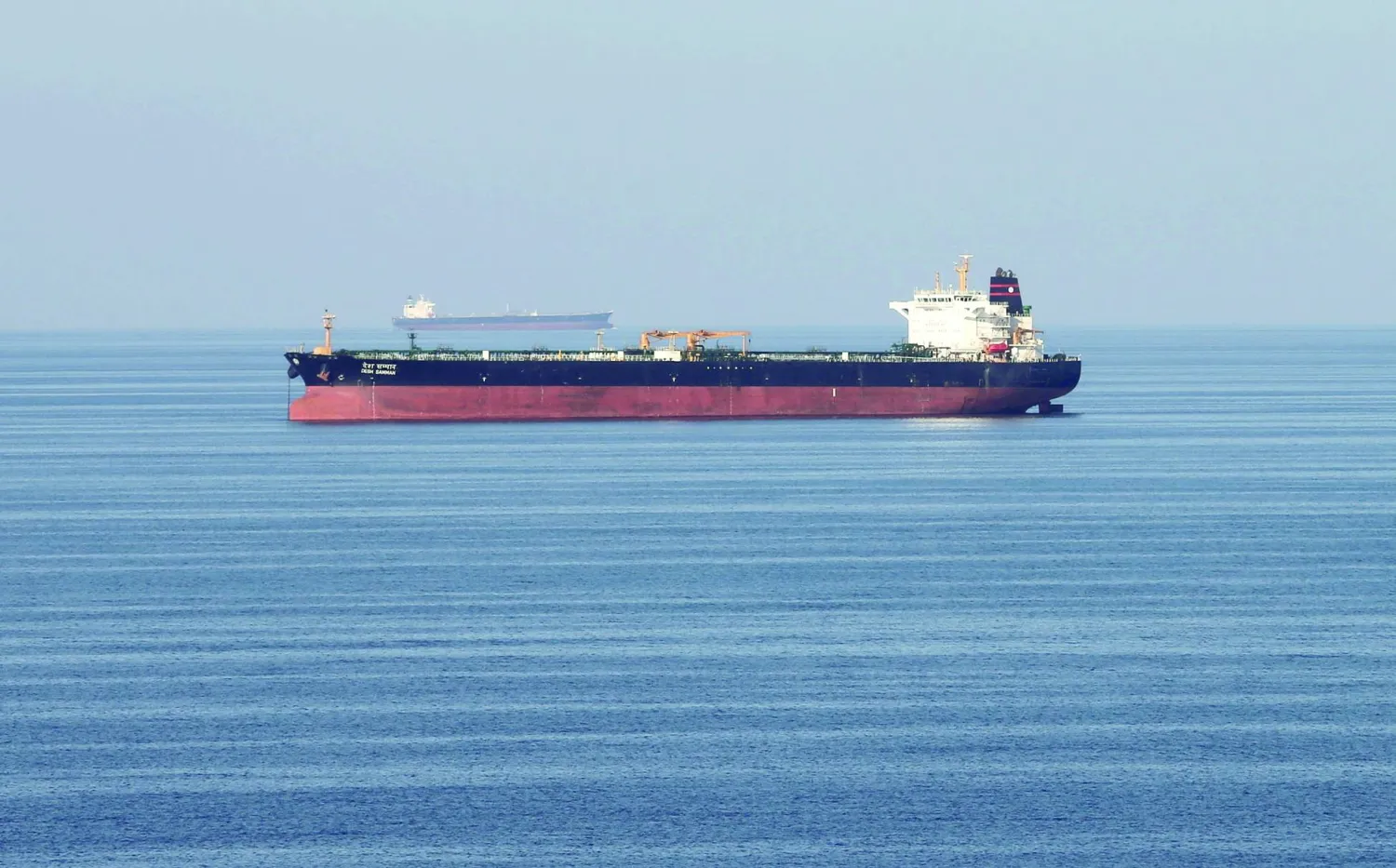
Kaja Kallas, the European Union’s top diplomat, said EU foreign ministers are discussing extending the bloc’s Red Sea naval mission to strengthen security in the strategically vital Strait of Hormuz.
The strait, through which roughly 20% of the world’s crude oil and significant volumes of natural gas pass, has seen maritime activity nearly grind to a halt amid the ongoing Iran conflict, contributing to rising global oil prices.
“It is in our interest to keep the Strait of Hormuz open, and that’s why we are discussing what measures we can take,” Kallas told journalists in Brussels ahead of the talks.
One option being considered is modifying the mandate of the EU’s current Red Sea naval operation, Operation Aspides. Kallas described this as the “fastest” way for the 27-member bloc to boost security in the strait, which has been largely blocked by Iranian retaliatory attacks against a U.S.-Israeli bombing campaign.
“If we want security in this region, the easiest approach may be to use the operation we already have and adjust its mandate slightly,” she said. Kallas added that it remained unclear whether all EU member states would support such a move and suggested a “coalition of the willing” could also be an option, without providing further details.
Operation Aspides, launched in 2024, was designed to protect trade vessels from attacks by Iran-backed Houthi rebels. The mission currently deploys three warships: one French, one Greek, and one Italian.
Emmanuel Macron has pledged to expand France’s contribution to the mission by adding two additional frigates “over the long term” and described plans for a defensive role aimed at reopening the strait.
Meanwhile, Donald Trump over the weekend called on NATO allies to assist in reopening the Strait of Hormuz, warning that the alliance could face a “very bad” future if it fails to act.
About the Author