$12.7bn Bishoftu aviation hub to handle 110 million passengers annually, replace Addis Ababa’s Bole Airport
Ethiopia has commenced construction of what is projected to become Africa’s largest airport, marking a major milestone in the country’s aviation and infrastructure expansion drive.
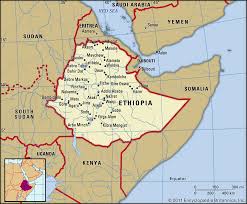
The project, launched on Saturday in Bishoftu, a town southeast of Addis Ababa, is expected to cost about $12.7 billion and, when completed, will have the capacity to process up to 110 million passengers annually. Construction is scheduled to span five years.
Prime Minister Abiy Ahmed announced the start of work on the facility, describing it as the biggest aviation infrastructure project in Africa’s history.
“This multi-airport strategy is designed to future-proof Ethiopia’s position as Africa’s leading air transport gateway,” Abiy said in a post on X.
According to the Prime Minister, the new airport will enhance the global competitiveness of Ethiopian Airlines, boost connectivity across the continent, expand trade and tourism routes, and establish Ethiopia as a major intercontinental aviation hub.
The Bishoftu airport, partly financed by Ethiopian Airlines, is expected to eventually replace Bole International Airport in Addis Ababa, which currently has a maximum annual passenger capacity of about 25 million.
Road and Rail Links Planned
The project includes extensive transport infrastructure to connect the airport to the capital, including a multi-lane motorway and a 38-kilometre high-speed rail line. Abiy said the railway would operate at speeds of up to 200 kilometres per hour.
Funding support has already begun to take shape, with the African Development Bank committing $500 million to the project. Ethiopian authorities are also in discussions with other international financiers, including the Asian Development Bank, the European Investment Bank, and the US Development Finance Corporation, to secure additional funding.
Development Amid Security Challenges
Ethiopia is pushing ahead with the project as part of efforts to attract foreign investment and tourism, despite ongoing security challenges in parts of the country, including Amhara and Oromia regions. Bishoftu is located within Oromia.
The future airport will occupy a 35-square-kilometre site. According to Ethiopian Airlines Chief Executive Officer Mesfin Tasew Bekele, about 2,500 farmers were displaced by the project and resettled in 2025, at a compensation cost of approximately $350 million.
Africa’s second-most populous nation, with an estimated 130 million people, Ethiopia has embarked on several large-scale infrastructure initiatives in recent years. These include the inauguration of Africa’s largest hydroelectric dam and major urban renewal projects across Addis Ababa and other cities.
The Bishoftu airport project is expected to further cement Ethiopia’s ambition to position itself as a continental and global transport hub.
About the Author