There are times, believe it or not, when one has to feel sorry for our government – particularly the ANC component of the multi-party coalition running the country.
That’s because the party that has espoused national democratic revolutions, socialism and, ironically, “a better life for all”, now finds itself stuck between an ideological rock and a hard place.
Were it to heed to siren call of Karl Marx and take inspiration from the great industrialisation plans of Soviet Russia, it would have nationalised the “commanding heights” of our economy a long time ago.
And, even if it weren’t prepared to annoy the all-powerful West by doing that, it could have at least implemented some financial policy manipulation to ensure that key input prices for industry were kept low.
Specifically, it could have – or should have – ensured that electricity prices, for bulk users like mines and smelters, were such that they encouraged investment in such areas.
ALSO READ: Gauteng’s last load reduction of 2025: Here are the affected areas
However, the neo-colonial, free market devil on the other shoulder would have shouted that, if privatisation of major state assets was not possible, then at least they should not run at a loss… and should do so through financially sound pricing.
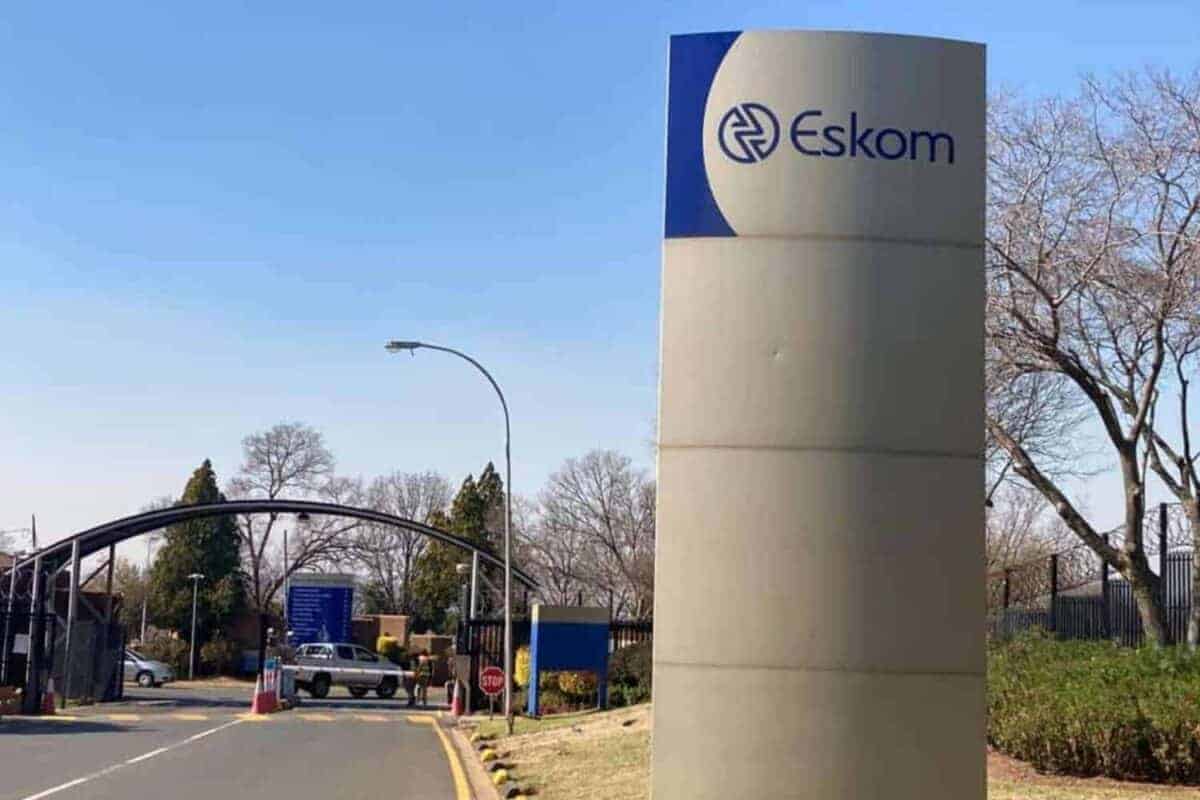
In the end, electricity prices are now so high – to help Eskom deal with its massive mountain of debt – that a company like Transalloys has been forced to shut down its Mpumalanga operations due to “unaffordable”power costs.
This will lead to the retrenchment of about 600 workers and negatively affect an estimated 7 000 livelihoods linked to the smelter and the broader eMalahleni economy via its supply chain.
Eskom’s massive losses over the years have been largely due to mismanagement and looting, not to mention bad debt from non-payers.
But there is a strong argument to be made, nevertheless, for the application of targeted, job-saving, electricity subsidies.
NOW READ: No load shedding, but severe weather impacting Eskom networks nationwide
About the Author