In South Africa, the market for premium compact SUV has traditionally been a diesel affair, with petrol often limited to entry-level, performance or hybrid variants.
Big Three’s petrol focus
Excluding the Lexus and Volvo, the “must-have” German Big Three, Audi, BMW and Mercedes-Benz all field petrol versions of the Q5, X3 and GLC, with varying degrees of buyer uptake.
ALSO READ: Why M50 is now the most M car money can buy in BMW X3 stable
For the Ingolstadt, the TFSI versions have, seemingly, proven popular in recent years than the TDIs most likely because of price.
Over at Munich, the majority of X3s have the 20d badge at the base of their doors. The same applies to the Mercedes-Benz GLC, whose tailgate more commonly displays the 220d or 300d nomenclatures.
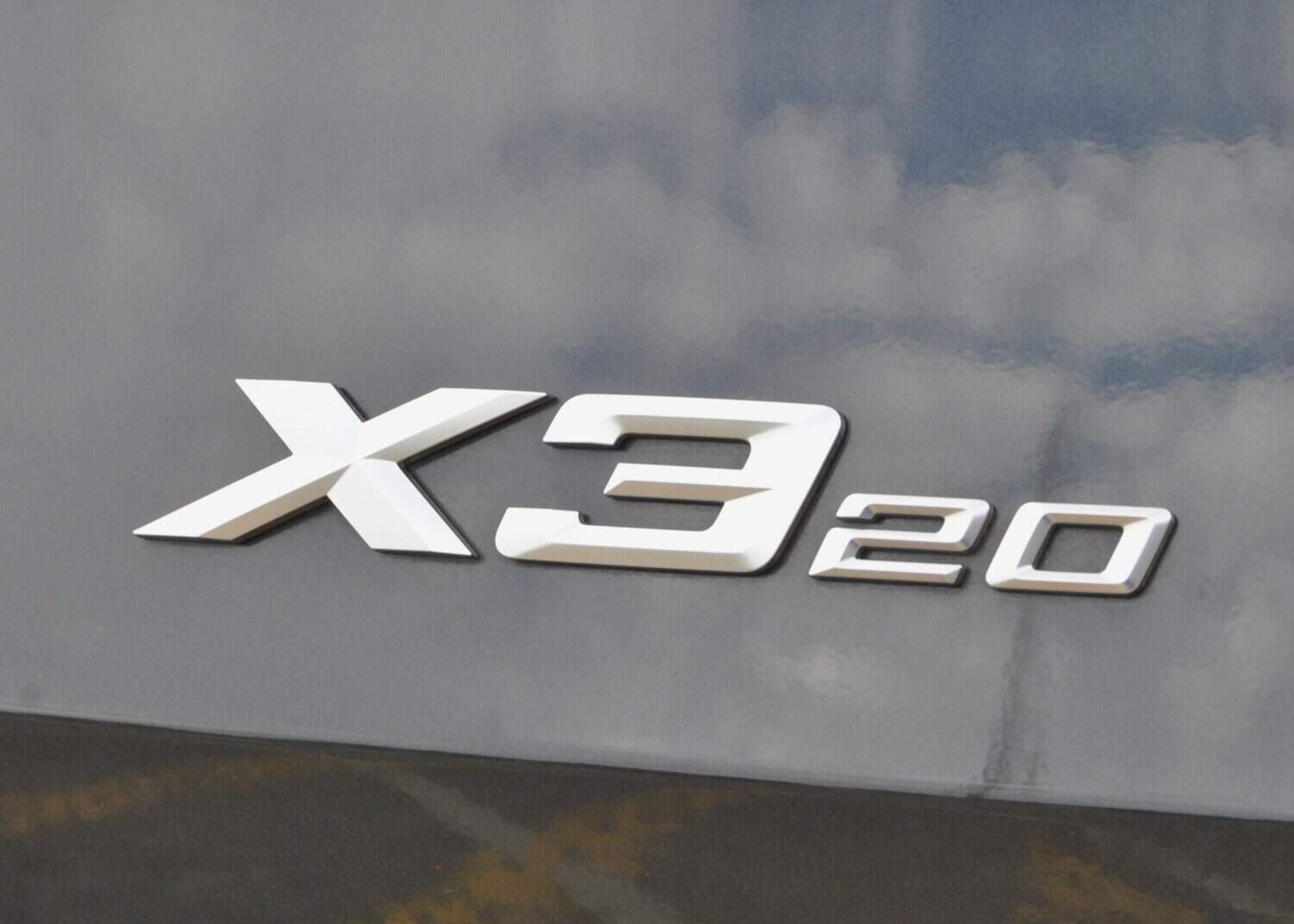
Petrol options are, however, not absent from the former or the three-pointed star. In the case of the GLC, the previous 250 variant made way for the 200 earlier this month.
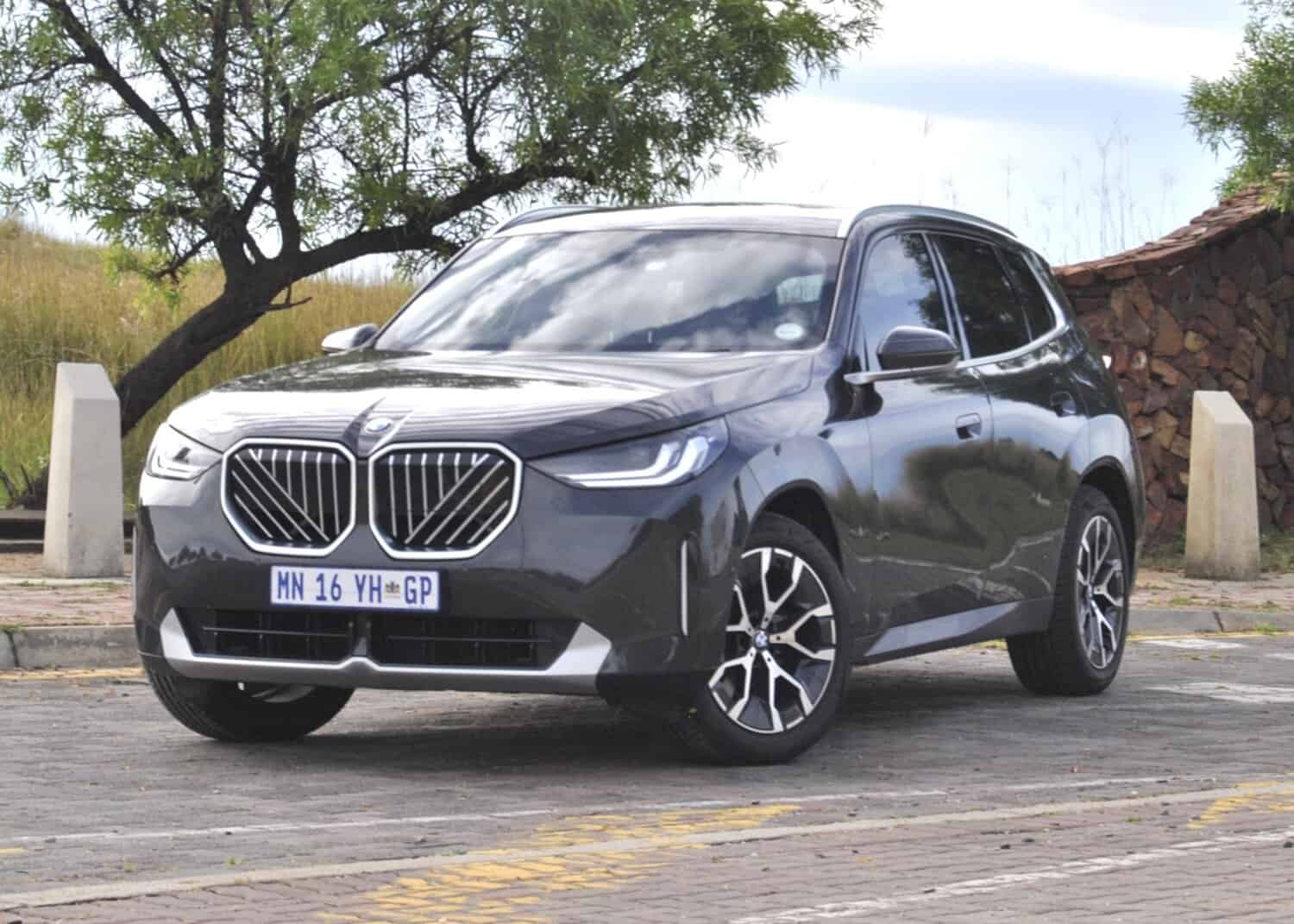
Introduced last year, the petrol version of the locally-made X3 displays the 20 lettering minus the “i” suffix as on the new 1 and 2 Series.
Diesel swapped
An alternative to the 20d, the arrival of the X3 20 or the weeklong stay promised something different.
Aside for its engine, the 20 goes without the xDrive all-wheel wheel system as power now goes to the rear wheels only.
Moreover, it recieves a 48-volt mild-hybrid system that adds eight kilowatts and 25 Nm for short spells.
Welcome Pure Design
Unlike the hugely popular M Sport package that has been the mainstay of 20d, the test unit arrived in what BMW calls Pure Design spec.
This places it between the unbadged base model and the M Sport in the petrol X3 line-up as being inclusive of certain specification items either optional or omitted on the former.
More crucially, it also comes with a price credit of R43 657 at R1 114 760 over the cheapest 20d, and a R98 657 saving compared to the xDrive 20d M Sport.
Missing M?
The only Pure Design variant in the Rosslyn-built X3 range, the 20’s appearance can be described as missing something without the M Sport touches.
Sans the M trim pieces and alloy wheels, the Pure Design loses some of the aggression associated with the former, yet is still looks appealing, even in the brown exterior of the test unit.
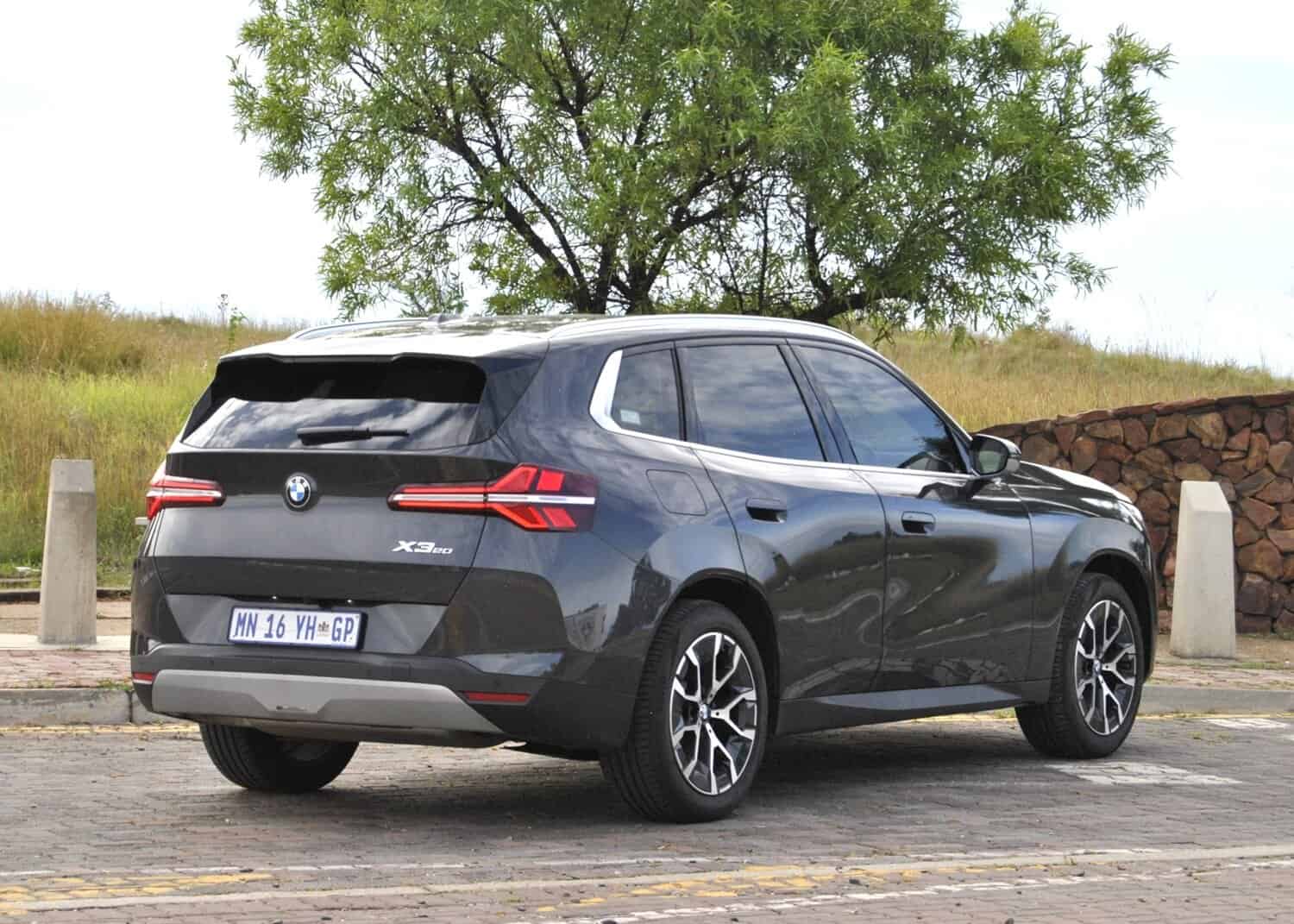
Riding on 19-inch alloy wheels, the Pure Design gets satin silver front and rear skidplates, the Iconic Glow illuminated kidney grille surround, LED headlights and the active shutters for the grille itself.
At the rear, BMW has added an electronically retractable tow bar as standard, which folds underneath the bumper when not in use.
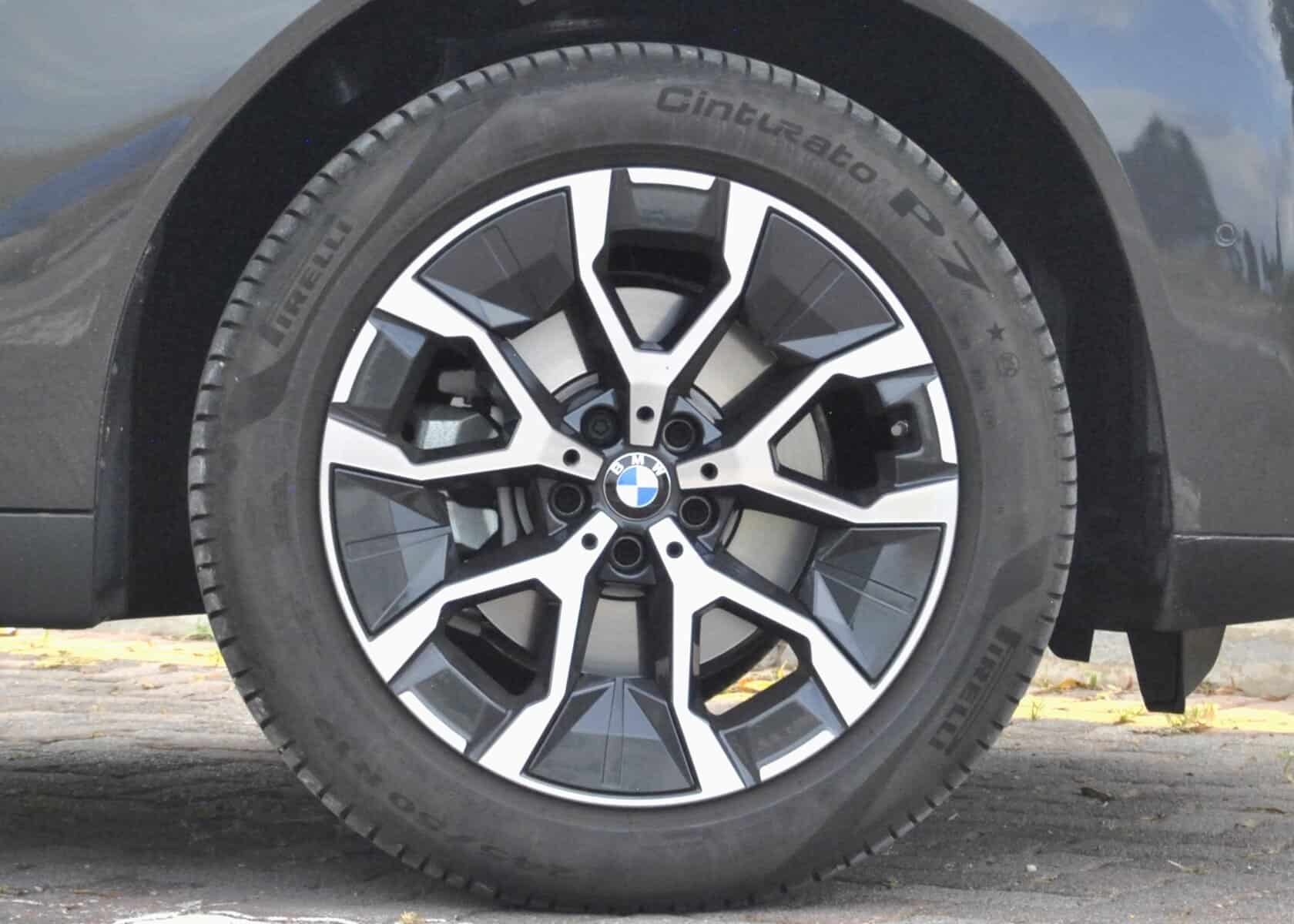
While a lot continues to be said about the internally named G45 X3’s overall design, it still presents striking and eye-catching.
Admittedly, though. it also stands to reason that the allure of everything M Sport will still see buyers eventually fork out extra for the added aesthetic.
Inside
Opening the door reveals the X3’s other point of contempt in its futuristic interior.
Derived from the 7 Series, the overall design adheres to the minimalistic principle as all of the various functions are located within the 14.9-inch iDrive infotainment system.
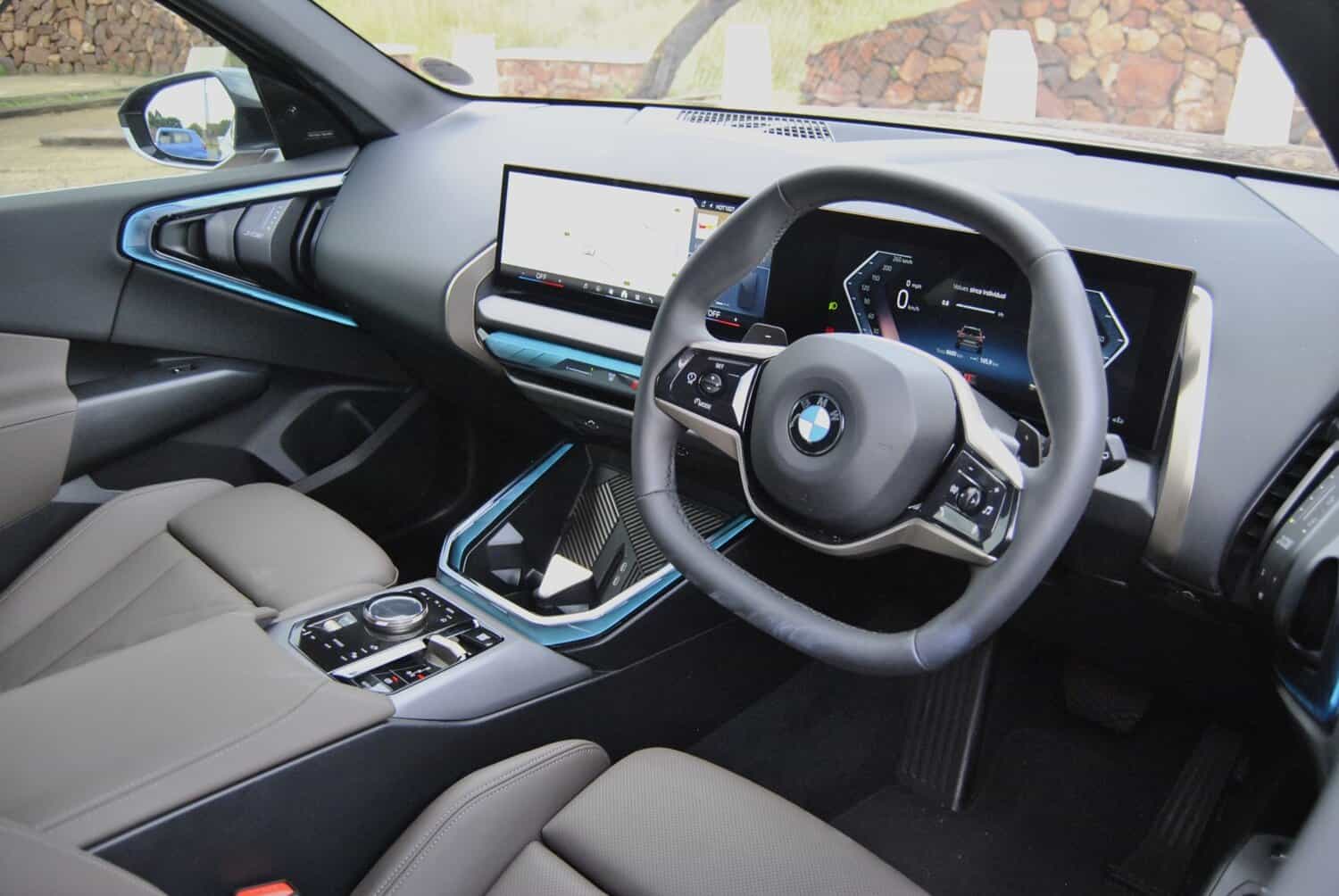
Flanking the 12.3-inch digital instrument cluster, which makes up the so-called Curved Display, the system will require familiarisation at first, yet is still devoid of over excessive sub-menus.
NOW READ: Frugal and fast BMW X3 20d proves that diesel is not dead yet
About the Author