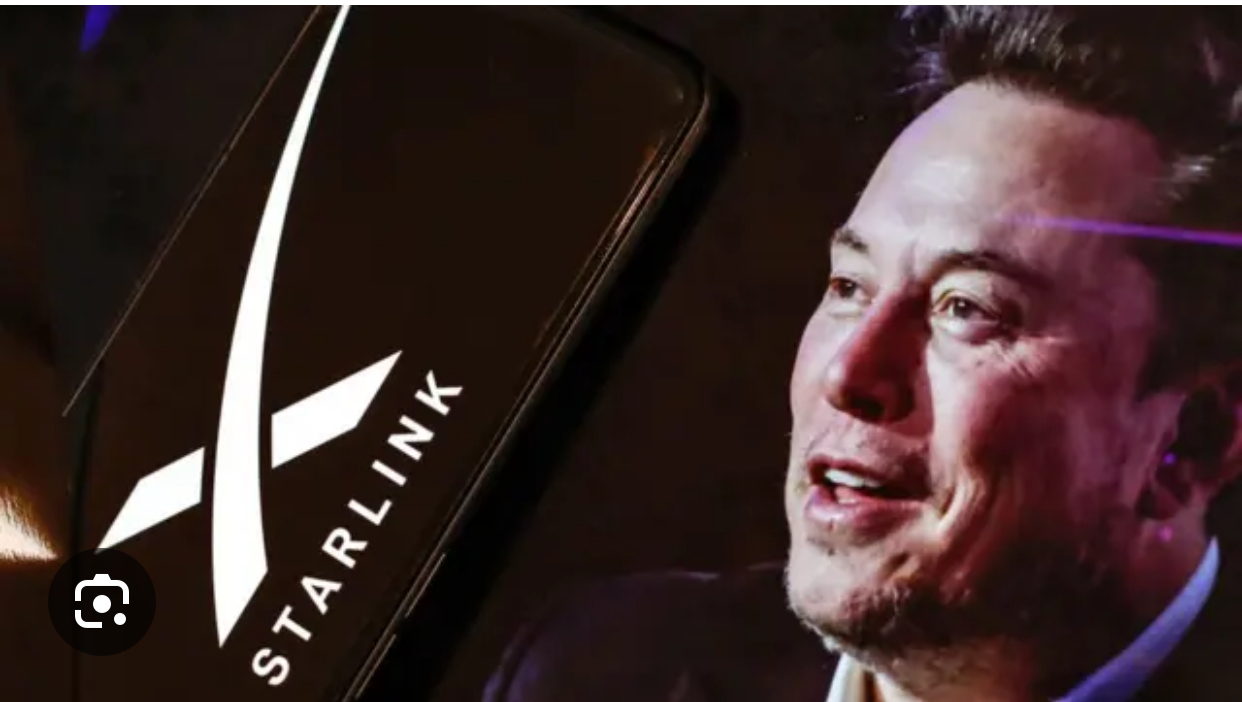
SpaceX chief executive and owner of X, Elon Musk, has criticised South Africa’s government, alleging that his company Starlink is being denied an operating licence because he is not Black.
In a series of posts on his X account on Sunday, Musk referenced South Africa’s Broad-Based Black Economic Empowerment (B-BBEE) policies, which guide ownership requirements in key sectors, including telecommunications.
He claimed the regulations require telecom operators to have at least 30 per cent ownership by historically disadvantaged groups, including Black South Africans, women, and persons with disabilities.
Musk wrote that Starlink had been unable to secure a licence in South Africa despite multiple attempts, alleging that the decision was based on racial considerations.
He further alleged that the company had been encouraged to use local fronting arrangements to meet ownership requirements, a proposal he said he rejected.
Musk also criticised South African authorities, describing the situation as discriminatory and calling for global scrutiny of the country’s regulatory approach.
The licensing dispute falls under the jurisdiction of the Independent Communications Authority of South Africa, which oversees telecom regulation in the country.
Starlink has not yet received operational approval in South Africa, but has argued that alternative compliance models such as Equity Equivalent Investment Programmes should be recognised instead of direct ownership requirements.
South African officials have repeatedly denied allegations of racial bias, insisting that regulatory rules are consistent with national transformation policies and apply equally to all investors.
Government representatives have also stated that Starlink has not completed a fully compliant application process.
A public diplomacy official, Clayson Monyela, previously responded that the issue is about legal compliance, not race, noting that many international companies operate successfully under the same rules.
He added that hundreds of American companies, including major tech firms, continue to invest and operate in South Africa while adhering to local regulations.