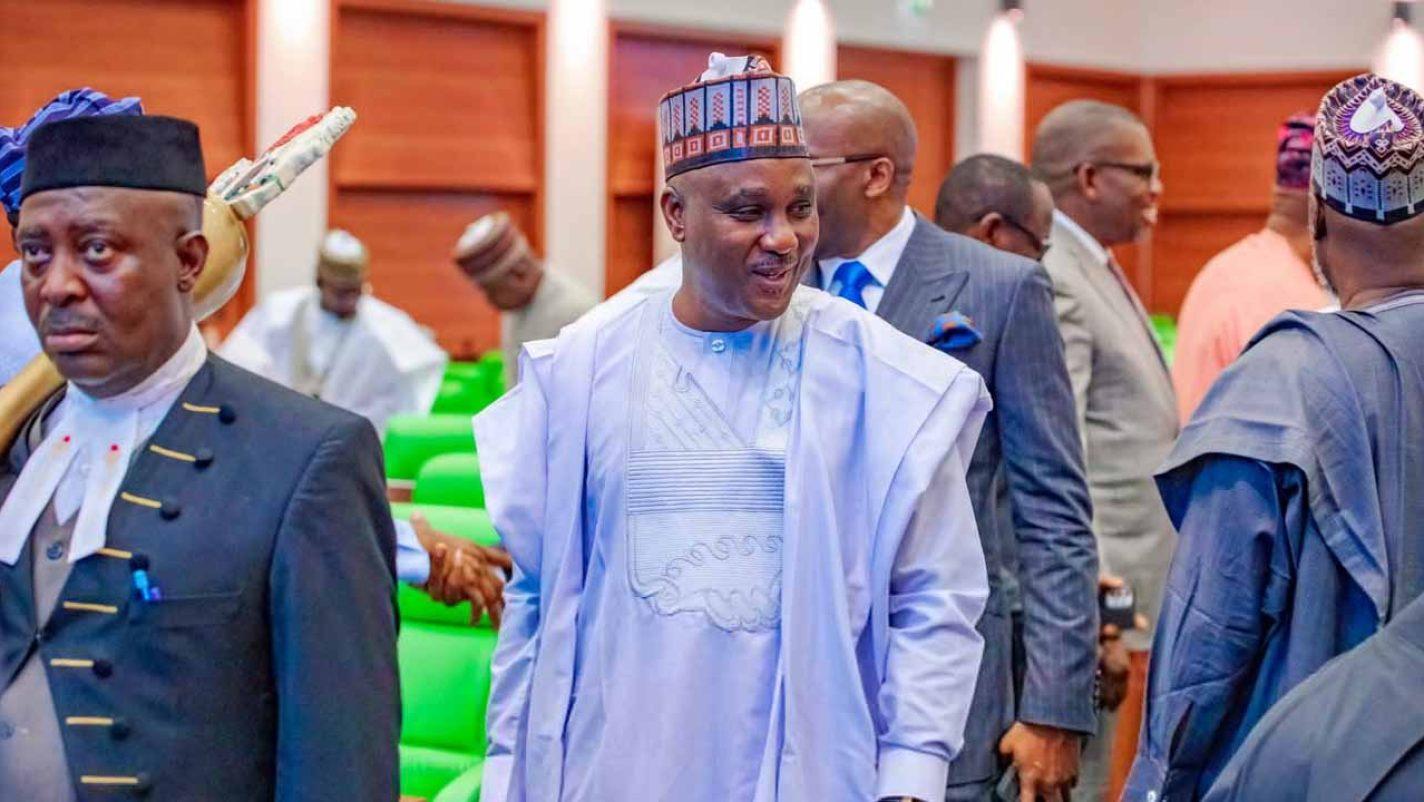
Nigeria’s electoral reform debate resurfaced at the weekend as the Speaker of the House of Representatives, Abbas Tajudeen, defended the National Assembly’s decision to adopt a hybrid system of manual and electronic transmission of election results ahead of the 2027 general elections.
Speaking during a meeting with the Spanish Ambassador to Nigeria, Felix Costales, in Abuja, Abbas said restricting result transmission to electronic means alone could disenfranchise millions of voters in areas with limited internet access. He maintained that the dual approach was designed to protect voter participation and ensure inclusivity.
“Where it is feasible to use electronic transmission, use it. Where it is not possible, use manual”, the Speaker said, stressing that adopting only one method would be counterproductive. He added that with voter turnout already low, introducing a system that excludes underserved communities could further worsen participation.
Abbas also expressed confidence in improvements planned by the Independent National Electoral Commission (INEC), assuring that the 2027 elections would be “more transparent, accommodating, and inclusive”.
In his remarks, Ambassador Costales assured that Spain would closely follow Nigeria’s electoral process and deepen parliamentary engagement between both countries, noting that consensus and compromise remain vital to democratic progress.
About the Author