Finance Minister to push for cheaper global financing, fairer lending conditions, and stronger support for developing economies at Spring Meetings in Washington…..
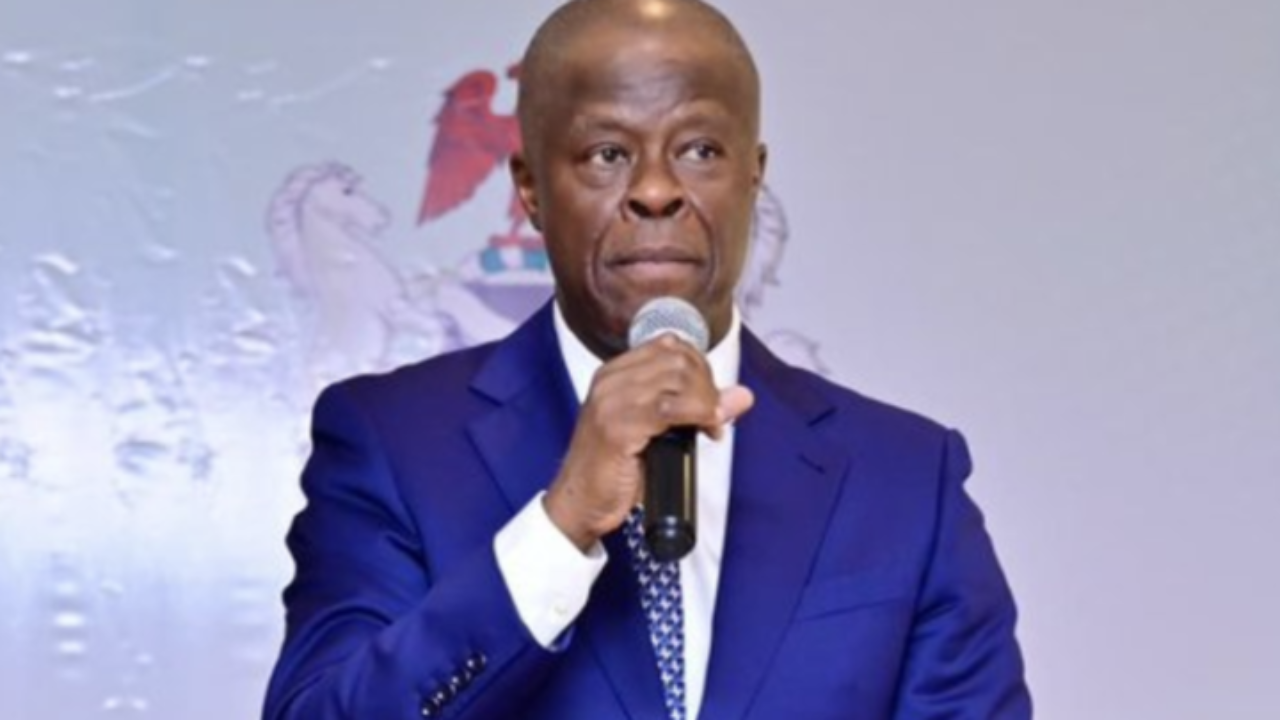
Nigeria’s Minister of Finance, Wale Edun, is intensifying efforts to secure international support as the country grapples with the mixed economic effects of rising crude oil prices and persistent inflationary pressures driven by the ongoing Middle East conflict.
In a briefing ahead of the 2026 IMF/World Bank Spring Meetings in Washington, D.C., the Federal Ministry of Finance outlined three key policy priorities that will guide Nigeria’s discussions with global financial institutions, development partners, and investors.
The statement noted that while higher oil prices could boost Nigeria’s foreign exchange earnings and government revenues, the gains are being offset by rising domestic costs, particularly fuel prices and inflationary pressures affecting households and businesses.
At the centre of Nigeria’s engagement strategy is a renewed call for greater global financial support for emerging economies, particularly those navigating external shocks alongside ongoing domestic reforms.
Edun, who is leading Nigeria’s delegation to the meetings, is expected to advocate for lower cost of capital, fairer global lending conditions, and expanded support for developing nations facing similar macroeconomic challenges.
According to the Minister, such measures are essential to easing fiscal pressure, attracting investment, and ensuring that ongoing economic reforms translate into improved living standards for citizens.
He also expressed concern over the inflationary impact of global geopolitical tensions, noting that rising costs are eroding household purchasing power and complicating efforts to reduce poverty levels.
Nigeria will continue to seek support from key multilateral institutions, including the World Bank and the International Monetary Fund, as well as private sector investors, to strengthen its economic recovery path.
Edun is expected to hold a series of high-level engagements with global financial leaders and development partners during the Spring Meetings, positioning Nigeria within broader discussions on global economic resilience amid rising uncertainty.
Oil windfall meets inflation shock at home
As an oil-producing nation, Nigeria stands to benefit from elevated crude prices, which could strengthen fiscal revenues and improve external reserves. However, the upside is being significantly diluted by domestic inflationary effects.
Fuel prices have already surged sharply, with petrol increasing by more than 50 percent from around ₦890–₦900 per litre to between ₦1,260 and ₦1,330. Diesel has also climbed by over 70 percent, reaching approximately ₦1,550 per litre at peak levels.
The ripple effects extend beyond fuel markets. Global shipping disruptions are driving up freight and logistics costs, which in turn are feeding into higher import prices and broader inflationary pressures across the economy.
At the same time, tightening global financial conditions are shifting investor appetite toward safer assets, raising concerns about reduced capital inflows into emerging markets such as Nigeria.
Government leans on reforms to absorb global shocks
The Federal Government maintains that Nigeria is in a stronger position to withstand external volatility, following a series of macroeconomic reforms introduced since 2023.
These include the removal of fuel subsidies, the adoption of a more market-reflective exchange rate framework, diversification of financing sources, and institutional strengthening across key economic agencies.
While acknowledging that Nigeria remains exposed to global shocks, Edun said the reform agenda has improved economic resilience and strengthened the country’s capacity to manage external pressures.
The next phase of policy direction, he added, will focus on shifting from stabilization to growth, with emphasis on private sector investment, domestic capital market development, and job-creating expansion across key sectors.
Nigeria is also looking to deepen trade and investment opportunities under the African Continental Free Trade Area (AfCFTA) as part of efforts to broaden export earnings and economic integration.
Global outlook remains uncertain
Ahead of the Spring Meetings, the International Monetary Fund (IMF) has signaled possible downward revisions to global growth forecasts, citing continued disruption from geopolitical tensions between the United States and Iran.
IMF Managing Director Kristalina Georgieva warned that the global economy is experiencing uneven shocks and said prices are unlikely to return quickly to pre-conflict levels.
The IMF also cautioned that persistent uncertainty could continue to weigh on investment flows, trade stability, and global recovery momentum.