Nigeria seeks to convert reform narrative into concrete investment outcomes at WEF 2026
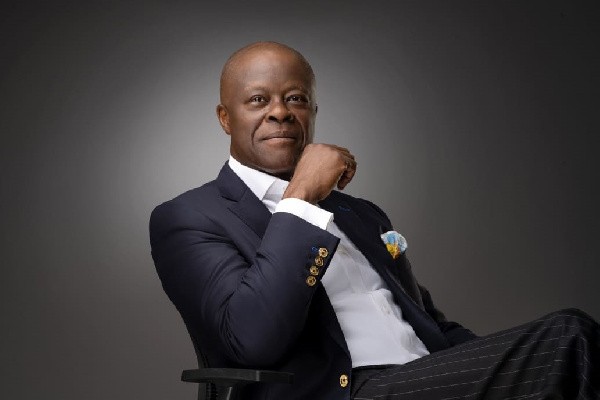
Nigeria’s Minister of Finance and Coordinating Minister of the Economy, Wale Edun, will use the World Economic Forum (WEF) Annual Meetings in Davos to engage global investors and address long-standing concerns around policy consistency, inflation control, foreign exchange stability, and fiscal sustainability.
The meetings, scheduled to hold from January 19 to 23, 2026, in Davos, Switzerland, form part of Nigeria’s broader participation at WEF 2026, according to information released by the Federal Ministry of Finance.
Nigeria’s appearance at the forum comes at a time of growing global economic uncertainty, marked by geopolitical tensions, tighter capital flows, and rising protectionism. Against this backdrop, the country is presenting itself as a reform-driven and increasingly stable investment destination, seeking deeper engagement with investors, development partners, and multilateral institutions.
Nigeria’s Reform Message at Davos
According to the Ministry of Finance, Nigeria’s engagement at Davos is built around demonstrating reform credibility and macroeconomic discipline, rather than projecting future promises.
Government officials are highlighting progress made since May 2023, including:
- improving economic growth performance,
- moderating inflation trends,
- strengthening external buffers, and
- renewed international confidence reflected in Nigeria’s removal from key global financial grey lists.
Authorities say these developments underscore that reforms are beginning to deliver measurable outcomes, even amid a challenging global environment.
High-Level Engagement Led by Vice President
Nigeria’s delegation to WEF 2026 is led by Vice President Kashim Shettima, while Minister Edun is attending as an invited VIP, holding strategic meetings with global business leaders, institutional investors, development finance institutions, ratings agencies, and international media.
The 2026 WEF theme, “The Spirit of Dialogue,” aligns with Nigeria’s approach, as the government seeks to reinforce trust through open engagement at a time when multilateral cooperation is under strain.
Officials say Nigeria is using the platform to reaffirm its commitment to:
- sound macroeconomic management,
- market-oriented reforms, and
- institutional credibility, including the operational independence of the Central Bank of Nigeria.
What It Means for Investors
For investors and development partners, Nigeria’s presence at Davos signals a willingness to directly confront the issues that often weigh on investment decisions in emerging markets.
Discussions involving Minister Edun are expected to focus on:
- policy predictability and consistency,
- inflation management,
- foreign exchange stability, and
- long-term fiscal sustainability.
The government says the engagement also positions Nigeria as a reform anchor within Africa, with particular attention on deepening investor interest from Europe and the United Kingdom.
Beyond Visibility: Converting Dialogue to Deals
Officials say Nigeria’s Davos strategy goes beyond visibility and networking, aiming instead to translate dialogue into actual investment commitments.
Over the past two years, Nigeria has held multiple investment discussions across sectors including energy, infrastructure, manufacturing, agriculture, technology, and financial services. Davos 2026 is being positioned as an opportunity to push several of these conversations toward financial close by addressing specific investor concerns.
According to the government, the shift reflects a broader reform agenda focused on private-sector-led growth, domestic resource mobilisation, and stronger institutions, rather than reliance on short-term capital inflows.
Global Context Shapes Nigeria’s Message
Nigeria’s engagement at WEF 2026 is also shaped by wider global pressures affecting emerging economies, including:
- evolving global trade rules,
- sharply reduced capital flows,
- rising debt burdens,
- uneven access to climate finance, and
- technology-driven disruptions to labour markets.
In a related development, Nigeria is set to unveil its first-ever official national pavilion, Nigeria House Davos, at the 56th Annual Meeting of the World Economic Forum, providing a dedicated platform to showcase investment opportunities and engage global stakeholders.
About the Author