Nigeria’s growing reliance on foreign aid for essential health services is no longer sustainable, the Special Adviser to the President on Health, Salma Anas, has warned, citing rising donor fatigue that is already threatening major national programmes.
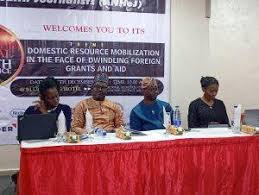
Speaking at the 9th Annual Health Conference of the Association of Nigerian Health Journalists (ANHEJ) in Abuja, Anas said Nigeria risks losing ground on Universal Health Coverage (UHC) if it fails to urgently increase domestic health financing.
She noted that shifting global priorities mean donors are scaling down or exiting, creating dangerous funding gaps. “Donor fatigue is real. We cannot build our health system on resources we do not own”. she said.
According to her, over 70% of health spending in Nigeria still comes from out-of-pocket payments while much of the remaining funding relies on foreign aid, pushing millions into poverty and exposing the fragility of the system.
Anas said the Renewed Hope Health Agenda places domestic resource mobilisation at the centre of reforms to build a resilient, equitable, and integrated health system. She commended the National Assembly’s proposal to increase the Basic Health Care Provision Fund (BHCPF) from 1% to 2% of the Consolidated Revenue Fund, describing it as a “potential game changer”.
She highlighted ongoing reforms including strengthened BHCPF accountability, expanded health insurance now covering nearly 20 million Nigerians, and measures to curb waste and improve efficiency.
On the sugar-sweetened beverage tax, she said efforts are underway to scale up the levy in line with WHO recommendations and channel the revenue into health. She also pointed to investments in local production of medicines and vaccines, and improvements in medical facilities attracting foreign patients.
Anas stressed that states must commit at least 15% of their budgets to health and expand insurance schemes, as primary and secondary healthcare are their responsibility.
She urged journalists to strengthen accountability by tracking health funding and educating citizens. “You are not just reporters; you are custodians of accountability”, she said.
About the Author