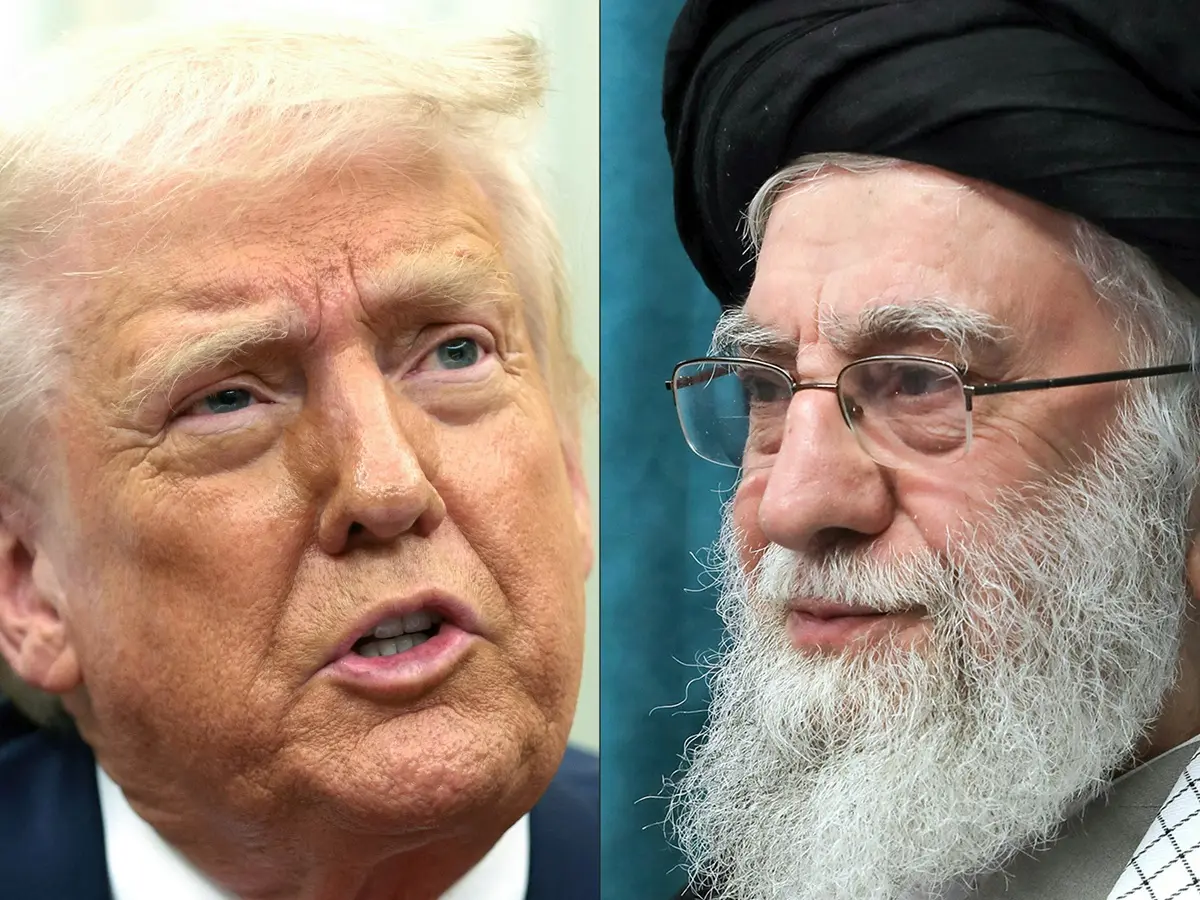
Donald Trump has claimed that Iran is pursuing the development of missiles capable of reaching the United States, while also accusing Tehran of attempting to rebuild its nuclear programme following American strikes in previous years.
The remarks were made during Trump’s State of the Union address amid ongoing high-stakes negotiations between Washington and Tehran over Iran’s nuclear activities and related security issues, including its missile programme. Although Trump expressed a preference for resolving the dispute through diplomacy, he reiterated that military force remains an option if negotiations fail.
He stated that Iran has already developed missiles capable of threatening European targets and US military installations abroad, warning that the country is working toward extending the range of its missiles to eventually reach American territory.
In a 2025 assessment, the US Defense Intelligence Agency suggested that Iran could potentially develop a militarily viable intercontinental ballistic missile by 2035 if it chooses to pursue such capability, although the report did not confirm that Tehran had made any such decision.
Current estimates from the US Congressional Research Service indicate that Iran possesses short- and medium-range ballistic missiles with maximum ranges of approximately 1,850 miles (3,000 kilometres), far short of the more than 6,000-mile distance between Iran’s western coastline and the continental United States.
Diplomatic engagement between Washington and Tehran has continued, with two rounds of talks already concluded in efforts to replace the previous nuclear agreement that Trump withdrew from during his first presidential term.
While the United States continues to push for an end to uranium enrichment activities in Iran, it has also raised concerns over Tehran’s ballistic missile development and its alleged support for armed groups in the Middle East — demands that Iran has consistently rejected.
Iranian officials maintain that the country is not pursuing nuclear weapons, insisting that its nuclear programme is intended solely for peaceful energy and scientific purposes.
Trump previously ordered strikes targeting three Iranian nuclear facilities last year, later claiming that Tehran’s atomic programme had been destroyed. However, he warned that Iran was allegedly attempting to restart its nuclear ambitions.
The US president has also strengthened American military presence in the Middle East by deploying additional naval assets, including two aircraft carriers, more than a dozen warships, and multiple combat aircraft, signalling continued pressure on Tehran amid rising tensions.
Trump reiterated that while diplomacy remains his preferred approach, he would not allow what he described as the world’s leading state sponsor of terrorism — a reference to Iran — to obtain nuclear weapons.
His speech largely focused on domestic policy issues but also briefly touched on global security matters, including the Russia–Ukraine conflict, where he claimed efforts were underway to end the war and repeated disputed assertions about resolving multiple international conflicts since returning to office in 2025.
He also highlighted the North Atlantic Treaty Organization’s decision to increase defence spending targets to 5% of member countries’ gross domestic product, a move critics say was influenced by sustained US pressure.
About the Author