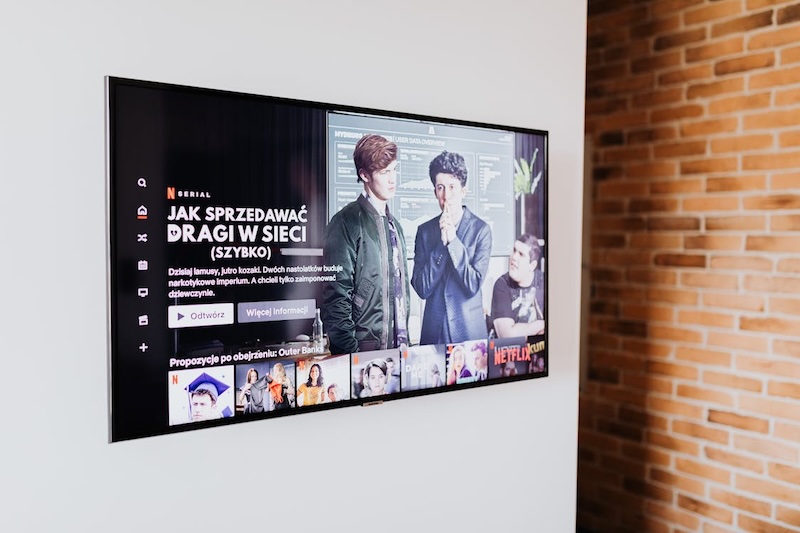
We discuss movies, TV, and video games all the time, all the while ignoring the most important aspect of a home entertainment system: the television set.
To be fair, we discussed Smart TVs a few months ago. I wanted the public to realize that Smart TVs had become so affordable that they had no excuse for tolerating their bulky CRTs or old-school flat screens.
But since then, I have observed a disturbing trend. Ugandans are a little too obsessed with TV size. Specifically, every adult who gets some money goes out of their way to buy the biggest TV they can afford. Admittedly, they are not wrong.
The larger the TV, the more immersive the experience. Here is the problem. Ugandans tend to prioritize TV size over other factors, which is concerning because a TV’s size does not tell you anything about its quality. To clarify, if you can afford a 75-inch screen, go ahead and buy it.
But keep in mind that a 75-inch LED TV will cost at least Shs 4M, assuming you got it legally. What does that mean? Any store selling a 75-inch TV at 1.5M should set off alarm bells. This issue frustrates me, because I see giant TVs in Kampala all the time, and they look terrible.
If you can ignore the size of the screen long enough to look at the images displayed, it won’t take you long to notice the dark sheen and dull, washed-out colours. But such obvious flaws go unnoticed because everyone is too busy drooling over the size.
A 43-inch 4K, HDR OLED screen is far better than a 100-inch 1080p LCD monstrosity with so much glare that you can’t watch it at noon without closing every window. Have you even looked at the refresh rate? 120Hz is vital for gamers. What about the connectivity?
Does it come with Wi-Fi and Bluetooth? Does the manual mention support for Dolby Atmos? Pay attention to everything. Does this mean the largest screens are okay if you can afford the best quality? Surprisingly, no. The size of the TV and the size of the viewing environment go hand in hand.
That consideration sounds ridiculous because some of you think that anyone with a 100-inch TV has plenty of money. They are wealthy enough to afford a nice home/apartment with a massive living room, but that could not be further from the truth.
We know people who spend millions of shillings on expensive iPhones, despite living in single-room apartments so small they barely have room to stretch. Big screens are exhausting.
First, they are going to crowd your bedroom/living room, which can present a challenge if the room in question is already crowded to begin with. Secondly, sitting too close to a large screen can strain your eyes because you are working so hard to take in the entire image.
Don’t be surprised if you develop neck pain from constantly turning your head to track the images on the screen. Samsung has a guide showing the optimal viewing distance for any given TV size (3.5ft for 32-inch, 4.5ft for 43- inch, 5.0ft for 55-inch, etc).
The common practice is to multiply a TV’s size by 1.2 to get the correct viewing distance. Don’t buy TVs to show off; ask yourself whether you have the money to buy a decent TV in the size you want, the room to enjoy it, and the content you need (older, compressed, low-quality content looks terrible on large screens). A large TV should enhance your viewing experience, not hurt it.
katmic200@gmail.com
About the Author