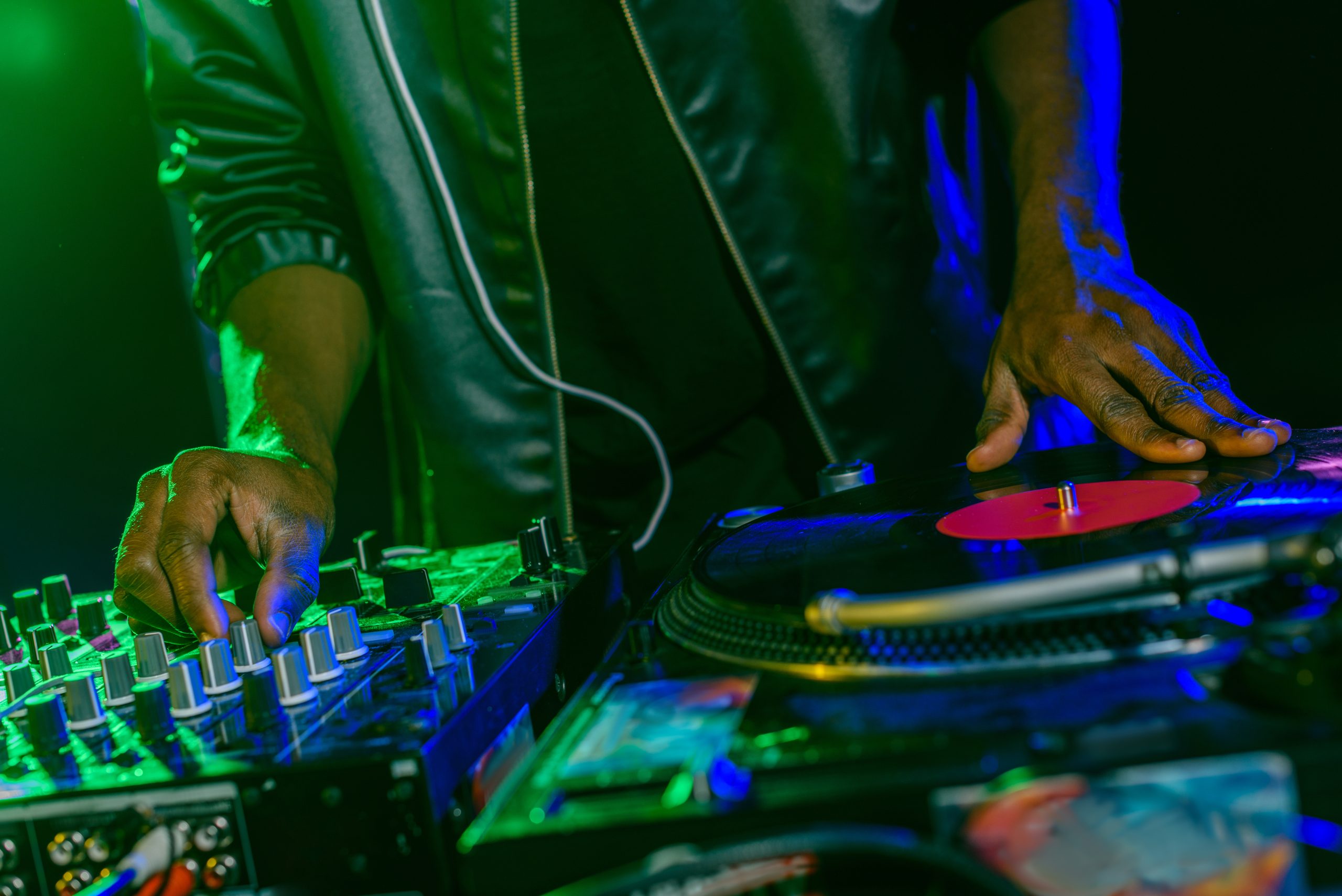
Under the new gazetted Music Tariff, Disk Jockeys (DJs) will be required to pay an annual fee of Sh20,000 for a license to play music in entertainment establishments, events, and concerts.
This fee will also apply to DJ academies, Professional Training programmes, Dance Schools, DJ and Music Schools, Universities, and colleges.
There has been a quiet debate and concern among DJs as to whether its necessarily or right for them to be required to pay for the license, with some airing their reservation.
However, according to music societies, what DJs do is a public performance whenever they are hired to entertain at events. Under the Copyright Act of Kenya, Public performance is described as the playing, acting, dancing, or showing of copyrighted works (music, films, dramatic works) in a public setting, either directly or via devices like TVs and radios.
“Because (DJs) are the ones at the end of the commercial, they rely on marketing to get business. So that means they need to have a release letter from the performers to play their songs. Back in the days, it was very strict; if you ask the veteran DJs, the likes of DJ Pinye and DJ Andre, they used to reach out to right holders such as Sony Music to get consent to play their catalogues,” explains MCSK acting CEO Richard Sireti.
Adding, “In such cases, certain rights would be cleared by right holders (e.g. Sony), because they control those rights, which are economic rights. However, they could not clear other rights because these remained with the original owner of the works.”
Logically, Sireti wonders, why would DJs air reservations of not wanting to obtain the license, yet they get booked to play at events, music which does not belong to them.
“Music can’t be free; the right holder of the Intellectual Property needs to be compensated. Why would you want to commercially exploit someone else’s Intellectual Property without feeling obligated to compensate them for their effort to produce the works?
Under the Copyright Act, DJs will require a license from licensed collective management organisations (CMOs).
Currently, there are only two licensed CMOs by the regulator, the Kenya Copyright Board (KECOBO), Kenya Association of Music Producers (KAMP), and Performing and Audio Visual Rights Society of Kenya (PAVRISK), with Music Copyright Society of Kenya (MCSK) in court challenging the regulator’s decision to deny them a license.