CBN governor tells African policymakers that stability, credible institutions and climate-conscious finance are key to unlocking the continent’s growth ambitions….
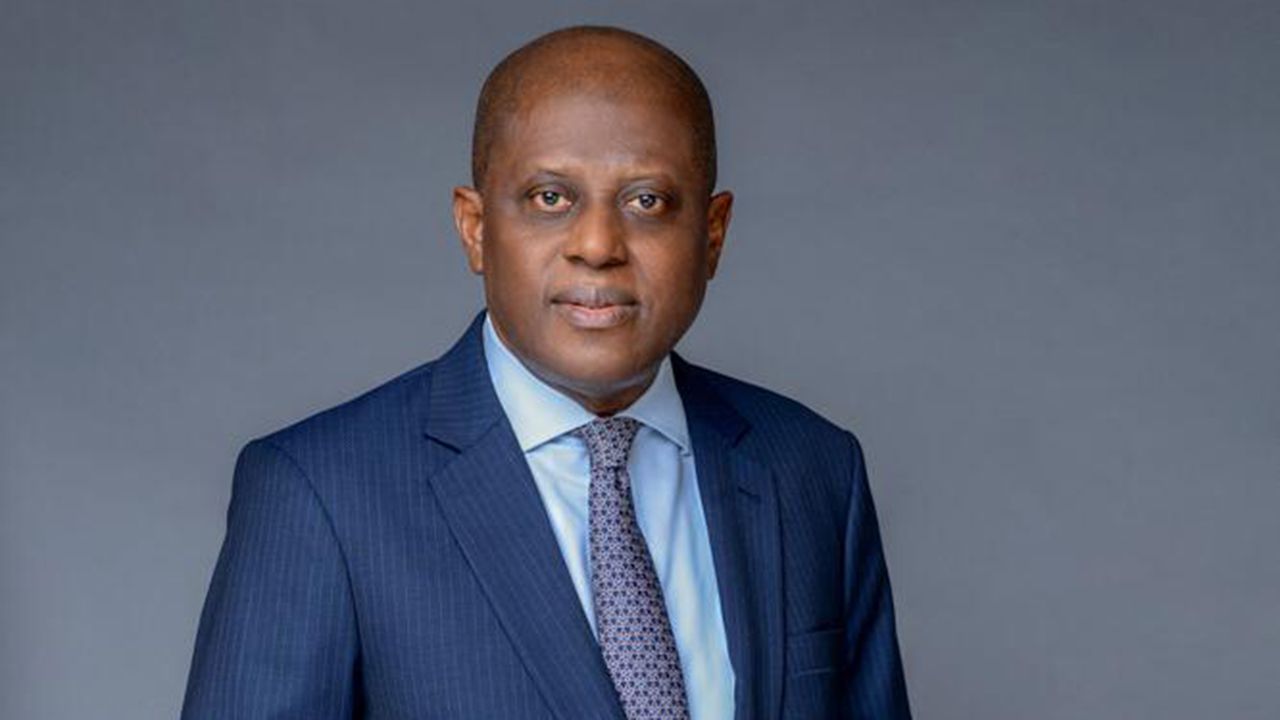
Nigeria’s financial system is regaining credibility as a result of disciplined and transparent reforms, Governor of the Central Bank of Nigeria, Olayemi Cardoso, has said.
Cardoso made the remarks in Cairo during the Egypt 30by30 Programme hosted by the Central Bank of Egypt in partnership with the International Finance Corporation.
In a statement issued after his keynote address, the apex bank said the governor urged African central banks and development finance institutions to anchor growth strategies on macroeconomic stability, sustainability and credible governance.
Stability as the Foundation for Growth
Cardoso argued that Africa’s development aspirations industrialisation, job creation and poverty reduction, cannot be achieved without strong and predictable institutions.
“Africa must grow, industrialise, create jobs, expand opportunities, and lift millions out of poverty, while also decarbonising and building climate resilience,” he said.
He described the 30by30 initiative as a shared continental ambition that recognises the need for resilient, climate-aware and economically sustainable financial systems.
According to him, collaboration among African monetary authorities and multilateral institutions is no longer optional, but essential.
Nigeria’s Reform Path
Linking Nigeria’s experience to the broader continental conversation, Cardoso said ongoing macroeconomic adjustments at home are strengthening fundamentals and rebuilding trust.
“In Nigeria, disciplined and transparent reforms are strengthening macroeconomic fundamentals and boosting confidence in the financial system, laying the groundwork for sustainable growth,” he said.
His comments come against the backdrop of efforts to stabilise the foreign exchange market, tighten monetary policy to curb inflation and restore investor confidence.
Cardoso emphasised that durable financial systems depend on trustworthy institutions, credible policies and transparent markets supported by risk-conscious innovation.
Climate Risk Is Financial Risk
A significant portion of his address focused on climate change and its financial implications.
“Climate risk is financial risk,” he said, noting that it directly affects sovereign credit ratings, cost of capital, food security, insurance markets and fiscal sustainability.
While Africa contributes the least to global greenhouse gas emissions, he observed that the continent bears a disproportionate share of climate-related disruptions.
At the same time, he pointed to Africa’s renewable energy potential, biodiversity assets, youthful population and expanding capital markets as opportunities for inclusive and sustainable growth.
Call for Continental Coordination
Cardoso urged African nations to pursue coordinated solutions rather than fragmented national strategies.
“To seize these opportunities, we must innovate for resilience, not as isolated nations, but as a continent,” he said. “By working together deliberately and transparently, we can build financial systems that not only withstand shocks but thrive in the decades ahead.”
The CBN said it remains committed to strengthening collaboration with the Central Bank of Egypt and partners across the World Bank Group to advance green finance, deepen cross-border cooperation and build a risk-aware financial architecture.
The Cairo engagement, according to the statement, underscores what policymakers increasingly view as a defining imperative: Africa’s financial future hinges on a dual commitment to stability and sustainability.
About the Author