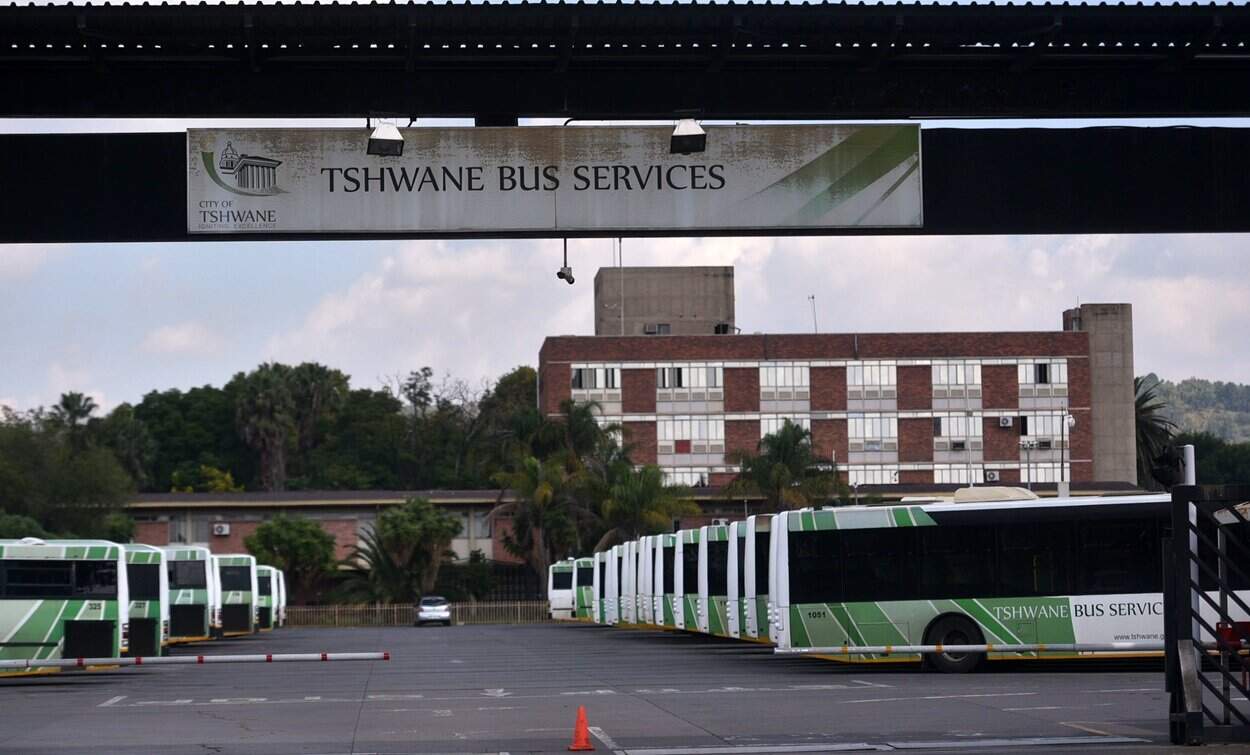
Tshwane’s city bus service has had to drastically cut back on routes and frequencies as its fuel depot supplies of diesel are drying up, the city said yesterday.
MMC for roads and transport Tlangi Mogale said the Tshwane Bus Service (TBS) operates a total of 155 daily shifts across its three depots, including C de Wet depot with 102 shifts, Pretoria North with 31 shifts and East Lynne with 22 shifts.
Diesel shortages disrupt Tshwane bus services
“All three depot filling stations have run out of fuel, she said.
“The city has already reduced the number of buses in service. From Monday afternoon, only 65 of the planned 155 shifts could operate, using the remaining fuel.”
Tshwane mayor Nasiphi Moya confirmed the city was affected by the fuel shortages. “We are affected because of the Middle East war. What we have done is to try to rationalise.
“The TBS released a statement on how it has affected the bus schedule from over 156 scheduled to 56 scheduled.”
Moya said it was a significant reduction. “At least it happens when the children are at home. But it’s not going to end next week. So there’s a lot of work that we are doing.
Significant reduction
“We are prioritising the service delivery, especially the electricity department. They must not suffer or not be able to go to households. That goes for water, the metro police and our emergency services,” she added.
AfriForum head of public relations Ernst van Zyl has welcomed the announcement that the government will reduce the fuel levy to help cushion the impact of surging oil prices as the conflict in the Middle East continues.
“AfriForum wrote a letter to the minister [last month], urging him to provide relief to the South African economy and consumers by lowering the fuel levy, instead of the planned increase announced in February.
ALSO READ: ‘Workers crushed’ by fuel and power hikes, calls for urgent relief
“The next thing we would like to see is that the government provides the necessary transparency about the status of the country’s strategic fuel reserves,” he said.
Economist Dawie Roodt said consumers reacted differently to the increases, adding that the different income groups cut costs in various ways.
Consumers reacted differently to increases
“It depends on where you find yourself.
“The higher-income group usually cuts back on dining out and switches over to less expensive brands.
“The middle class usually start cutting on takeaways and things like insurance and life insurance.
“At the medium and lower income classes, they usually start cutting costs on medical aids, school fees and, lastly, rent.”
Roodt said in the end, consumers start cutting costs with food and downgrade by buying fillets, chicken and mince, instead of steaks.
Cutting costs
At TotalEnergies in Pretoria East, Riaan van Deventer said he didn’t care about the fuel increase.
“Whether you put in R200 today, or you put in R200 tomorrow, you are still getting R200 worth of fuel. “Yes, the litres differ, but what can we do?” he said.