Fuel Traders Lift Over 3,000 Trucks as NNPC Draws from Pre-Shutdown Stock, Raising Questions Over Restart Timeline
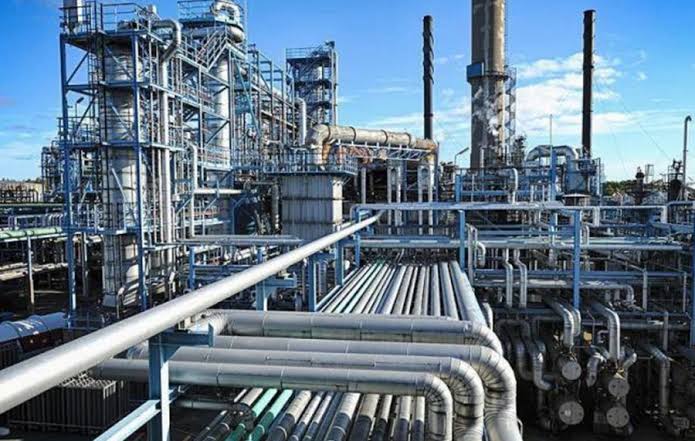
Fuel marketers have confirmed that the Port Harcourt Refining Company has continued supplying diesel to the Nigerian market months after the facility was shut down for maintenance, with about 15 trucks of automotive gas oil evacuated daily since May 24, 2025.
The development suggests that marketers have lifted an estimated 3,150 trucks of diesel from the refinery over the past seven months, despite the plant remaining officially out of operation.
The Publicity Secretary of the Petroleum Products Retail Outlet Owners Association of Nigeria (PETROAN), Joseph Obele, disclosed this in an interview, stating that diesel loading has continued uninterrupted at the refinery in Eleme, Rivers State.
According to him, marketers still lift an average of 15 trucks daily, confirming that the refinery has been drawing from diesel produced before operations were halted.
Regulatory data released by the Nigerian Midstream and Downstream Petroleum Regulatory Authority (NMDPRA) supports the claim, showing that the Port Harcourt refinery has been supplying about 349,000 litres of diesel per day, even while in shutdown mode.
The refinery was shut down by the Nigerian National Petroleum Company Limited on May 24 for what was initially described as a one-month maintenance exercise. However, more than seven months later, fuel production has yet to resume.
In its report, the NMDPRA clarified that while the refinery has remained inactive since the shutdown, diesel produced prior to May 24 has continued to be evacuated into the market.
“There were no production activities as the Port Harcourt refinery remained in shutdown mode. However, evacuation of automotive gas oil produced while the refinery was operational before May 24, 2025, continued at an average of 0.349 million litres per day,” the regulator stated.
Obele confirmed this position, explaining that the refinery has a sizeable diesel reservoir, which has sustained supply long after operations stopped.
He noted that the volume of diesel in storage suggests the plant produced significantly more diesel than petrol during the period it briefly resumed operations.
However, the PETROAN spokesman warned that the available stock may be exhausted by February 2026, urging the NNPC to ensure the refinery resumes operations before then.
“If nothing changes, the diesel stock could run out by February. That is why we are calling on the NNPC to bring the refinery back on stream before that time,” he said.
The prolonged shutdown has renewed scrutiny of the refinery’s operational history. The Port Harcourt refinery was declared operational in November 2024 by the then Group Chief Executive Officer of the NNPC, Mele Kyari, after years of inactivity and rehabilitation delays.
At the time, the NNPC announced that the 60,000-barrel-per-day refinery had resumed operations at about 70 per cent capacity, with diesel and low-pour fuel oil expected to be its major outputs.
The company projected daily production of 1.5 million litres of diesel, alongside petrol, kerosene and fuel oil, and stated that about 200 trucks of petrol would be released into the domestic market daily.
However, barely six months after the widely publicised reopening, the refinery was shut again. A similar pattern was observed at the Warri Refining and Petrochemical Company, which was reopened in December but shut down a month later.
Upon assuming office, the new NNPC Group Chief Executive Officer, Bayo Ojulari, disclosed that operating the Port Harcourt refinery was financially unsustainable.
Ojulari said internal reviews showed the refinery was incurring losses of between $300 million and $500 million monthly, processing less than 40 per cent of the crude pumped into it.
“Rather than continue to lose money, we decided to stop operations and find a sustainable path forward,” he said, adding that continued operation under such conditions was economically unjustifiable.
Amid the challenges, PETROAN has renewed calls for the privatisation of Nigeria’s four state-owned refineries, urging the Federal Government to conclude the process transparently by the first quarter of 2026.
The association argued that privatisation would reduce fiscal pressure on the government, attract private investment, improve efficiency and align Nigeria’s refining sector with global best practices.
However, Ojulari has previously rejected outright sale of the refineries, insisting that ongoing technical and commercial reviews are aimed at repositioning them as viable, revenue-generating assets capable of meeting domestic fuel demand.
About the Author