Most malls have a build-a-plushie toy station where everything about the plaything’s look, feel, and stuffing is predetermined.
Soon, all of humanity will be customised in the same way to design the next generation. Gene editing may be in the very near future, and the science already exists. Genetic editing is no longer science fiction.
It’s called CRISPR-Cas9, a standard tool in many research laboratories, and it works much like a pair of molecular scissors that head to a specific spot in a person’s DNA, cut it, and either remove a faulty section or insert a corrected one.
It reprogrammes the body, on demand. When it is used on embryos or reproductive cells, the changes are carried into every cell of the developing child and passed on to future generations.
Genetic interference is not new, though. Global food security was given a massive boost in the 1990s when genetically modified crops were first approved for human consumption.
Somatic cells were reprogrammed in 1996 to clone Dolly the Sheep. In 2018, a Chinese researcher claimed he had altered a gene in embryos to reduce the risk of HIV.
Editing genetics could mean the beginning of personalised medicine, eventual eradication of hereditary disease or susceptibility to it, and it could also mean customised children.
Like building a plushie toy from scratch.
Like building a plushie, you’ll build a baby
It’s a potential moral minefield, and psychologist and medical doctor Dr Jonathan Redelinghuys said the South Africans, and the world, may not be remotely prepared to contemplate such interventions.
“The ethics and morality surrounding fetal gene editing remain widely debated, and current legislation does not allow such intervention. Even pre-implantation sex selection is illegal in South Africa,” he said.
“When we talk about editing genes to eliminate diseases like Huntington’s or Cystic Fibrosis, or repeat the case in China, we open a Pandora’s box of consequences.”
He warned that the idea of engineered health may be overshadowed by the creation of new divisions in society.
“Genetic alteration could widen existing divides, with wealthier families able to select desirable traits long before anyone has answers about unintended effects. A protective edit, such as CCR5, can leave a person vulnerable to other illnesses. We do not understand the knock-on impact.”
Redelinghuys said parents confronted with negative diagnoses for their children will naturally seek every possible option to address wellness.
“The instinct to protect an unborn child is understandable. But we cannot predict how removing or modifying certain traits might influence personality, mental health or genetic diversity over generations. When you adjust one part of a complex system, something else may weaken. We simply do not know.”
Consequences of baby design are unknown
Obstetrician and gynaecologist Dr Zanele Ngwenya said the country would need extraordinary safeguards before any conversation about permissibility could take place.
She said that medical ethics must guide every step: do no harm, and act in the patient’s best interests.
“Society would need to decide that this procedure is appropriate. A decision of this magnitude cannot sit with individual hospitals or private clinics,” she said.
A national regulatory body would need oversight of every case, with transparent access to research, patient outcomes and safety data.
“Patients must receive informed consent that explains the unknowns. We cannot claim to understand the long-term effects on children born after genetic editing.”
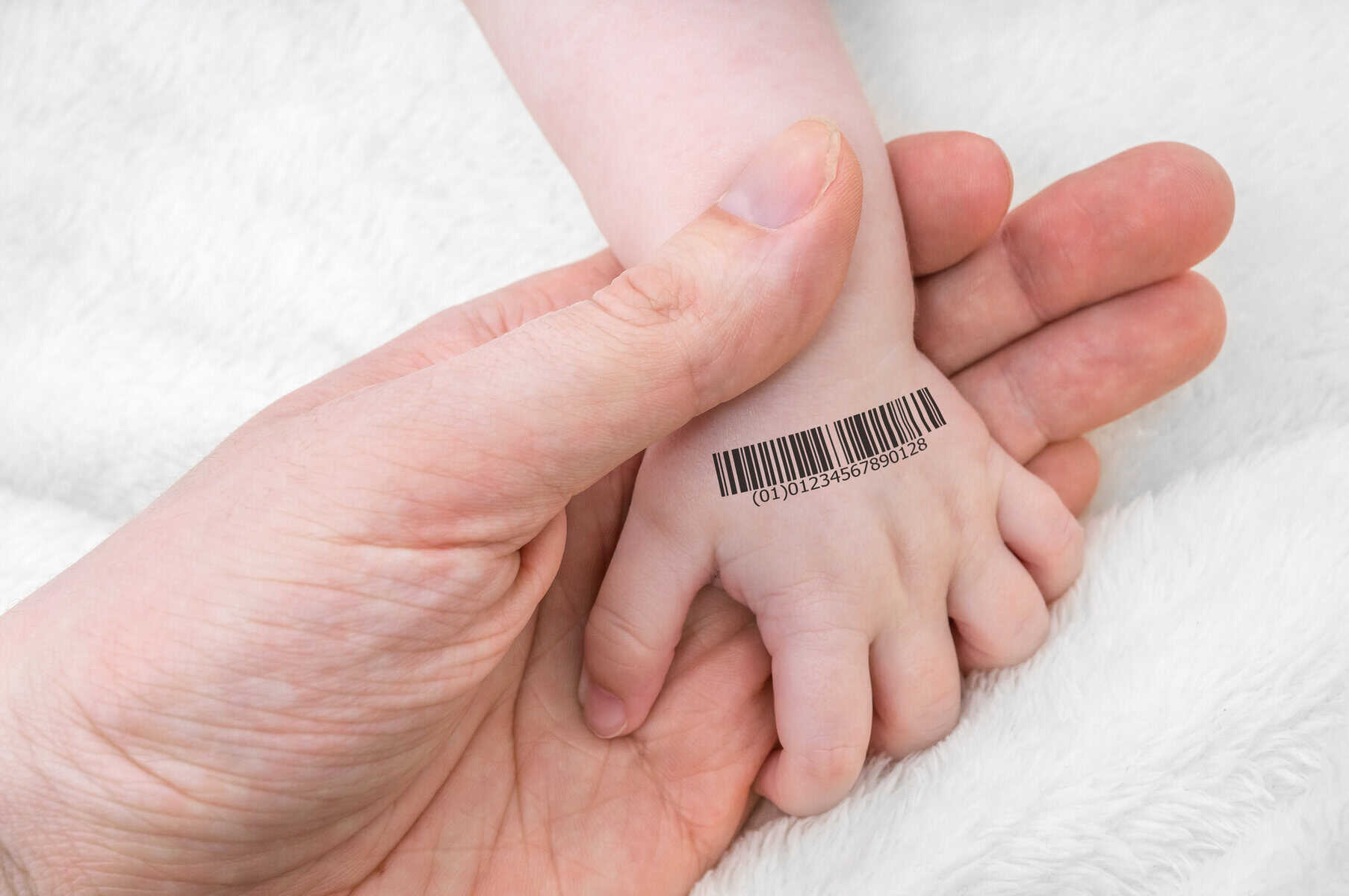
Genetic editing of babies could create a whole new class division, too.
“If only those with money can obtain it, we will create genetic classes in society. This would entrench the disparities we already have,” she said.
Scientific readiness must match ethical readiness.
“We need strong clinical data showing the procedure is safe and effective. Gene editing should only be considered when there is no alternative for a very serious condition. It cannot be used for non-medical purposes or enhancement.”
Lifelong monitoring would be mandatory.
“We lack data on what happens over decades. If this is ever introduced, monitoring must continue for many years.”
A development in genetic editing earlier this year has added urgency to the discourse.
At the Children’s Hospital of Philadelphia, an infant received a personalised gene-editing therapy for a rare metabolic disorder called CPS1 deficiency. It is a rare inherited disorder that disrupts the urea cycle and stops the CPS1 enzyme in the liver from doing its job.
Without that enzyme, the body cannot clear toxic ammonia produced when protein breaks down. Ammonia then builds up to dangerous levels, causing severe neurological damage, seizures, coma and, in many cases, death in infants if not treated immediately.
Doctors used a tailored CRISPR system to correct the enzyme responsible for dangerous ammonia build-up in the child’s body.
Medical progress to help
The treatment meant introducing lipid nanoparticles, or tiny delivery trucks made of fats, into the body to amend a DNA sequence and insert a gene editor directly into his liver cells. Billions of these particles were infused over three treatments, and the child’s body began processing protein more effectively, with minimal complications.
While the child will require lifelong monitoring, medical journals noted, the potential for treating disease on a personal basis is incredible. It also makes a strong case for pre-birth edits.
However, concerns about the wider consequences over such a long period and across generations remain significant.
Benoni-based entrepreneur and mother Annemarie Viviers of Heavenly Healing said she was against gene-edited births entirely.
“We do not know enough, and we have no idea what the long-term risks could be,” she said. “Editing a baby’s genes changes the genetic lineage for future generations without their consent. That cannot be justified.”
Viviers said that the motivation behind gene editing matters as much as the technical risks.
“Gene therapy affects one person. Gene editing affects everyone who follows. That is completely different,” she said. “In my view, gene editing is driven more by the desires of the parent than the sole choice of the child.”
Driven by parental desire
Science expects gene therapies to expand over the next decade, but editing embryos for reproduction remains some years away.
“The technology is accelerating while ethical frameworks, oversight structures and legal protections lag behind,” said Dr Redelinghuys.
Religious institutions were approached for comment, but either did not respond at all or declined to offer a faith-based perspective on genetic editing.
About the Author