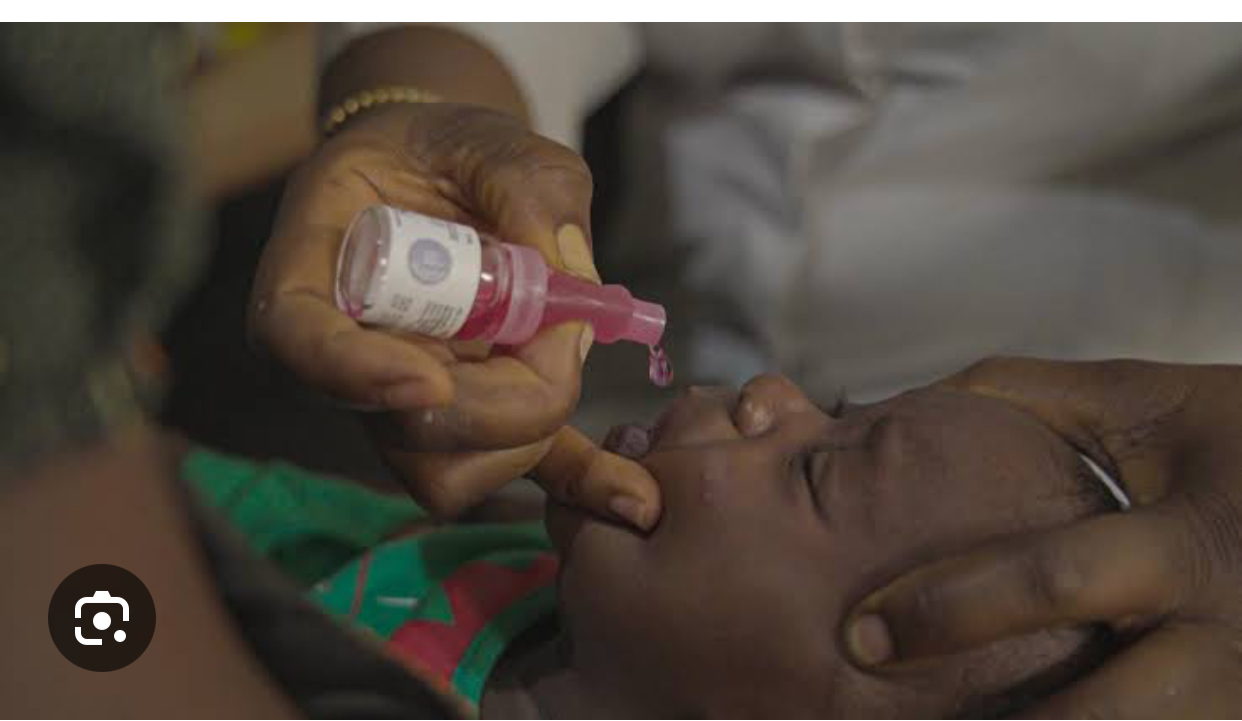
Stakeholders in Nigeria’s health sector have reported a 233 per cent increase in immunisation financing over the past two years, but delays in fund disbursement continue to threaten vaccine availability and routine immunisation services.
The disclosure came on Wednesday during a media engagement in Abuja focused on immunisation financing and reaching zero-dose children, organised by the Vaccine Network for Disease Control (VNDC) under the PREACH Project, supported by Gavi, the Vaccine Alliance, through the Global Health Advocacy Incubator.
Funding for immunisation rose from N69.57 billion in 2023 to N231.74 billion in 2025, the highest allocation to date, but only N68.8 billion has been released, highlighting persistent gaps between approved budgets and actual disbursement.
CEO of VNDC, Chika Offor, warned that these delays risk disrupting vaccine supply chains and undermine efforts to reach children in underserved communities. “While media attention sometimes triggers partial fund releases, such momentum often fades, allowing systemic bottlenecks to persist,” she said, stressing the need for sustained advocacy and accountability.
Offor explained that the PREACH Project seeks to strengthen policy reforms, boost domestic resource mobilisation, and improve accountability in immunisation and primary healthcare financing. She proposed measures such as increasing the Basic Health Care Provision Fund from 1 to 2 per cent, allocating parts of Federation Account resources to health commodities, reforming taxes on sugar-sweetened beverages, and establishing an Immunisation Trust Fund to ensure long-term sustainability.
Highlighting the role of community-driven advocacy, Moji Makanjuola, Chair of the Nigeria Universal Health Coverage Forum, said grassroots storytelling could accelerate government responses. She cited a case in Kwali where local reporting prompted fund release within a week, demonstrating the impact of amplifying community voices.
Also speaking, Nigeria Coordinator for Prevent Epidemics/Immunisation Programmes at the Global Health Advocacy Incubator, Emmanuel Alhassan, added that community-focused reporting has already led to measurable improvements in primary healthcare delivery.
“Field reports show that while some communities actively demand immunisation services, others still face access barriers, highlighting the need to prioritise grassroots realities in public discourse”, Makanjuola concluded.
About the Author