Fuel cost jumps N221 in four days amid crude price volatility and rising shipping costs….
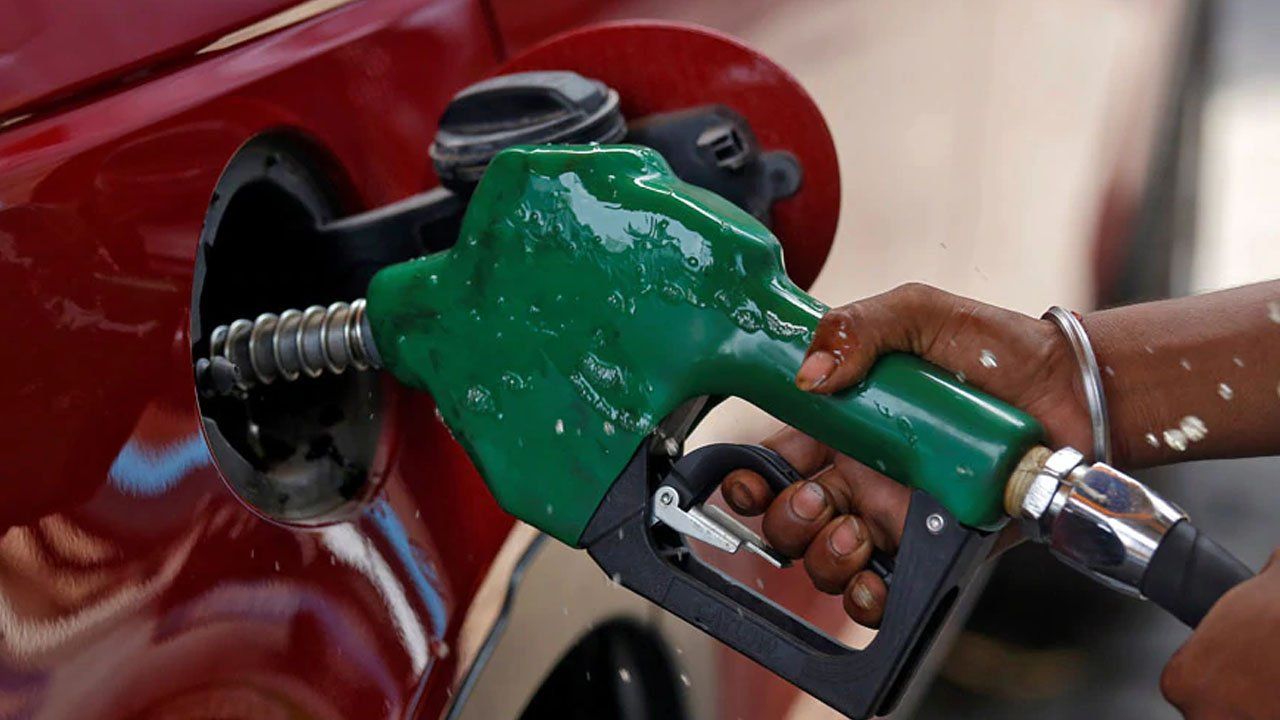
The Dangote Petroleum Refinery has increased its Premium Motor Spirit (PMS) gantry price to N995 per litre, marking a sharp increase within days as global crude oil markets experience renewed volatility.
The latest adjustment represents a N221 increase in just four days, pushing the refinery’s petrol price from N774 per litre to N995 per litre, a surge of roughly 29 percent over the short period.
A senior official at the refinery confirmed the development on Friday, attributing the revision to changing conditions in the global oil market.
“Yes, the price has been reviewed. The new gantry price is now N995 per litre,” the official said.
Rapid price changes within days
The new rate follows an earlier increase this week when the refinery raised its ex-depot petrol price from N774 to N874 per litre.
That adjustment had already reflected the rising cost of crude oil and logistics linked to global geopolitical tensions.
With Friday’s revision, the refinery has now implemented two price adjustments in quick succession.
Industry checks on petroleumprice.ng also showed that the updated gantry price has already been reflected on the platform, signaling a shift in domestic fuel pricing benchmarks.
Pump price could cross N1,050
Market analysts say the development could trigger another round of pump price increases across Nigeria.
Depending on transport costs and marketers’ margins, petrol could soon sell above N1,050 per litre in several parts of the country.
The adjustment also comes shortly after a brief suspension of petrol loading at the refinery, which had earlier fueled speculation of an impending price change.
Sources said truck-out operations for petrol were halted around 2:00 a.m. on Friday, leaving depot operators and bulk fuel marketers uncertain about the refinery’s next move.
Industry insiders noted that similar pauses in loading activities at the facility have previously occurred shortly before new price announcements.
Refinery defends pricing strategy
Officials at the refinery have repeatedly insisted that fuel prices are determined by prevailing market realities rather than arbitrary decisions.
In a statement released Thursday, the company said its pricing reflects global crude prices, logistics expenses, and operational costs associated with refining.
According to the refinery, Nigeria’s downstream petroleum sector now operates under a fully deregulated framework, meaning domestic petrol prices are increasingly shaped by international market dynamics, exchange rates, and supply conditions.
Despite the recent adjustments, the refinery said it remains committed to prioritizing fuel supply to the Nigerian market, particularly amid geopolitical tensions affecting global energy flows.
“The Dangote Refinery will ensure that Nigeria is insulated from these supply shocks by prioritising supply to the domestic market. This is one of the many benefits of domestic refining,” the company said.
It added that escalating tensions in the Middle East have pushed global crude prices sharply higher, with Brent crude climbing about 26 percent in a short period to above $84 per barrel.
The refinery also stated that it has absorbed roughly 20 percent of the rising costs to reduce the pressure on Nigerian consumers.
Imported fuel still cheaper
Meanwhile, data from the Major Energies Marketers Association of Nigeria (MEMAN) suggests imported petrol remains slightly cheaper than locally refined fuel.
According to the association’s latest figures, the landing cost of imported petrol stood at N809.37 per litre, compared with Dangote Refinery’s N874 per litre gantry price recorded earlier in the week.
The difference places imported petrol about N64 cheaper per litre at the time of the comparison.
MEMAN data also showed a similar trend in diesel pricing, with imported diesel costing N1,125.70 per litre, compared with N1,169.42 per litre from the refinery.
Global tensions shaping local fuel costs
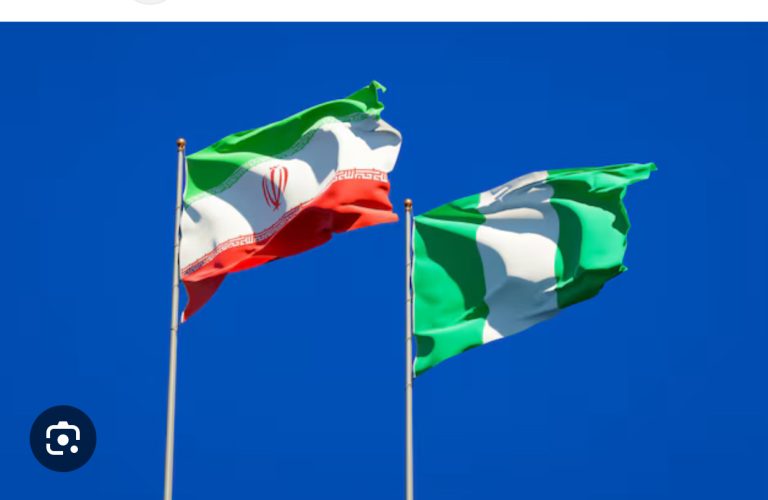
The pricing developments come as geopolitical tensions involving the United States, Israel, and Iran continue to disrupt global energy markets.
Analysts say prolonged instability in the Middle East could keep crude oil prices elevated, potentially influencing fuel prices in import-dependent and refining economies alike.
About the Author