New Managing Director Says Stable Fuel Supply, Euro-5 Quality and Local Refining Are Reshaping Nigeria’s Energy Market
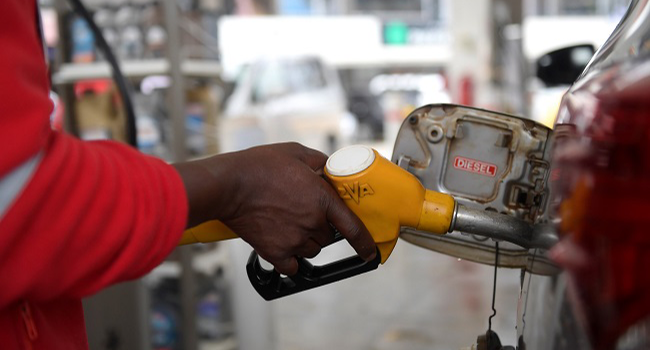
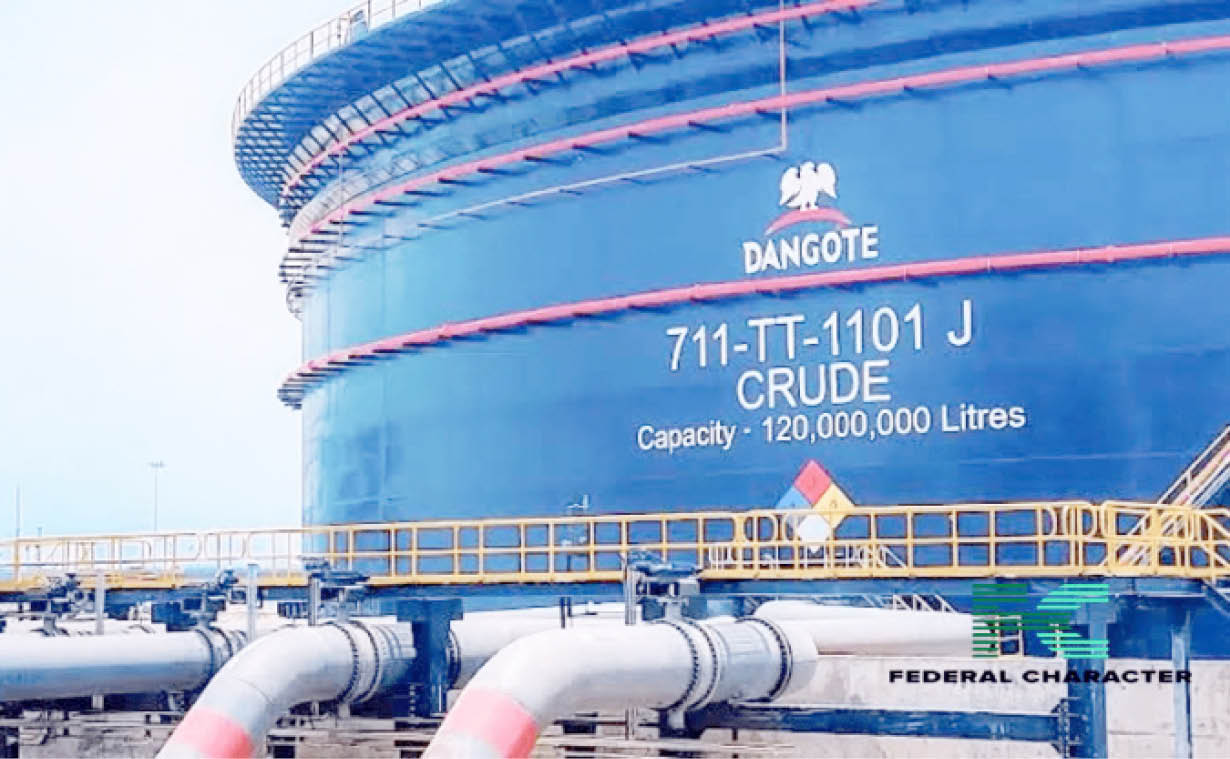
Dangote Petroleum Refinery Plc has announced that it is now recording a daily offtake of 50 million litres of Premium Motor Spirit (PMS), marking a major milestone in Nigeria’s domestic fuel supply.
The newly appointed Managing Director of the refinery, David Bird, disclosed this on Wednesday during a media briefing in Lagos, noting that the facility maintained uninterrupted fuel supply throughout the recent Christmas and New Year holiday period.
Bird said the refinery has successfully aligned production with evacuation capacity, achieving consistent dispatch levels of more than 1,000 fuel trucks per day.
“It’s not just about production; it’s the offtake as well. We are achieving 50 million litres daily, although volumes naturally fluctuate depending on demand, weekends, and inland stock levels,” he said.
He added that the refinery is well positioned to export excess volumes whenever domestic demand softens.
Bird described the achievement as a significant operational breakthrough, stressing that stable supply and competitive pricing are already contributing to broader economic stability, including support for the naira.
Cleaner Fuel, Higher Standards
Beyond volume, Bird said Nigeria is now consuming world-class fuels, produced to Euro 5 specifications, with significantly lower sulphur content.
According to him, the refinery exports gasoline to Europe and jet fuel to international markets such as Dubai, underscoring the quality of its output.
He criticised the long-standing practice of substandard fuel being dumped in West Africa, describing Dangote Refinery’s production as a major public health improvement.
“This is not just about quantity; it’s about quality. Cleaner fuels mean better health outcomes and a higher standard for the entire region,” he said.
Expansion, Petrochemicals and Industrial Growth
Bird revealed that the company’s ongoing investments in refining and petrochemicals are aimed at building a broader industrial ecosystem.
He said the refinery plans to expand polypropylene production to 2.4 million tonnes, strengthening local manufacturing and reducing reliance on imports.
Currently, the existing polypropylene plant has a capacity of 800,000 tonnes, while an additional Propane Dehydrogenation (PDH) unit will increase output to 1.2 million tonnes, with further expansion planned.
Future diversification, he added, could include detergents, lubricants, base oils and Liquefied Petroleum Gas (LPG), driven by Nigeria’s population growth and import-substitution strategy.
Fuel Pricing and Market Competition
Addressing claims by some industry players that the refinery’s ₦739 per litre PMS price is anti-competitive, Bird dismissed the allegation.
“The retail price is fully competitive. Consumers have a choice, and the market should be allowed to function properly,” he said, while calling for improvements in regulatory oversight.
The refinery, he noted, will remain focused on capacity building and expansion rather than past controversies surrounding its internal reorganisation.
Local Refining Shields Nigeria From Global Shocks
Also speaking at the briefing, Dangote Group’s Head of Communications, Anthony Chiejina, said Nigeria benefits from being a producing nation, especially amid global supply disruptions such as the ongoing crisis in Venezuela.
Bird reinforced the point, explaining that dependence on imported fuel exposes the country to international price volatility.
“Domestic refining is critical. It stabilises prices, protects the economy, and reduces exposure to global shocks,” he said.
He added that the refinery’s objective is to keep fuel prices within a reasonable range of international benchmarks while ensuring consistent supply.
Offtake, Distribution and Expansion Plans
Bird said daily offtake now consistently matches production, with the refinery capable of exporting surplus volumes when necessary.
On distribution, he disclosed that about 4,000 trucks are currently operating at the site. He added that the final step before full rollout of free trucking is the deployment of a computerised security and volume-tracking system to ensure customers receive exactly what they pay for.
On expansion, Bird reiterated plans to more than double refining capacity through what he described as “ruthless replication” of the existing plant design, with construction expected to be completed within three years.
He said the refinery is currently in a stabilisation phase and, despite ramping up units in the second half of 2025, has consistently supplied over 50 million litres of finished fuel daily, occasionally exceeding 52 million litres.
Crude-for-Naira Programme
Responding to questions on the crude-for-naira initiative, Bird said 30 to 40 per cent of the refinery’s crude supply currently comes through the programme.
He confirmed ongoing engagement with NNPC Limited and the federal government to improve crude allocations, noting that the arrangement has played a key role in stabilising the naira and could be expanded in Nigeria’s long-term interest.
About the Author