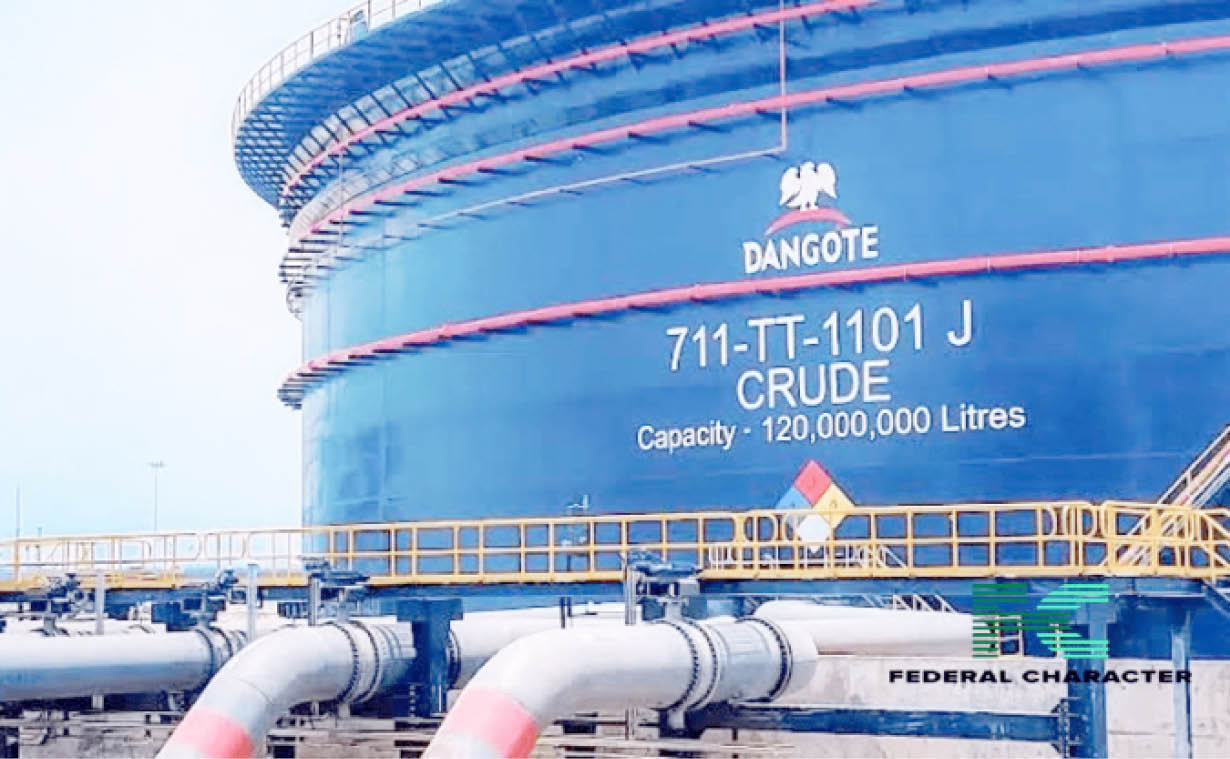
Rising oil prices and supply uncertainty push African nations to seek alternatives, with Dangote stepping in as a key regional supplier……
Nigeria’s Dangote Refinery is emerging as a critical supplier of fuel and fertiliser across Africa, stepping in to fill supply gaps triggered by geopolitical tensions involving Iran.
Speaking during a tour of the massive 650,000-barrels-per-day facility, billionaire industrialist Aliko Dangote said the refinery is already helping to soften the impact of the ongoing crisis, not just in Nigeria but across several African regions.
He assured that the plant has the capacity to meet growing demand from countries in West, Central, and East Africa, many of which are grappling with disruptions in fuel supply.
In recent weeks, the refinery has exported at least 17 cargoes of petrol to African markets. At the same time, shipments of urea fertiliser have surged, with the company increasingly redirecting supply toward African buyers rather than its traditional markets in the United States and South America.
“We’ve been focusing more on African countries over the past few days something we weren’t doing before,” Dangote noted, highlighting a strategic shift in response to changing market dynamics.
The refinery, which can produce up to 3 million metric tons of urea annually, is now positioning itself as a reliable alternative supplier at a time when global trade flows are under pressure.
However, despite increased local refining, Nigerians are still facing record-high fuel prices. Industry data suggests that the benefits of domestic production are being offset by rising global crude prices, driven by uncertainty around oil supply routes.
Tensions have escalated over the Strait of Hormuz a vital channel through which roughly a fifth of the world’s oil supply passes fueling fears of further disruptions. The situation has pushed oil prices higher, with Brent crude climbing above $111 per barrel and U.S. West Texas Intermediate nearing $116.
Dangote acknowledged the pricing challenge, noting that securing more crude oil in local currency could help ease pressure on fuel costs domestically.
Meanwhile, supply to the refinery appears to be improving. Reports indicate that the Nigerian National Petroleum Company (NNPC) has increased crude allocations to the facility, with seven cargoes scheduled for May up from five in previous months.
Globally, oil markets remain on edge. Prices continued to rise as a U.S. deadline for Iran to reopen the Strait of Hormuz approached, adding to fears of potential escalation. The uncertainty has kept traders cautious, even as OPEC+ agreed to a modest production increase for May.
As the situation unfolds, Dangote Refinery’s growing export footprint underscores its emerging role not just as a national asset, but as a stabilizing force in Africa’s energy landscape.