650,000-barrel-per-day facility becomes critical as nations scramble to secure fuel amid Iran-US-Israel conflict……
The Dangote Petroleum Refinery and Petrochemicals has swiftly evolved from a monumental industrial project into a pivotal energy hub for Africa, as nations look to safeguard their fuel supplies amid global disruptions.
According to a Bloomberg report on Friday, several African governments, including South Africa, have intensified outreach to the 650,000-barrel-per-day Lagos-based facility. With traditional supply routes from the Middle East increasingly volatile due to the ongoing US-Israel conflict with Iran, the refinery is seeing an unprecedented surge in inquiries.
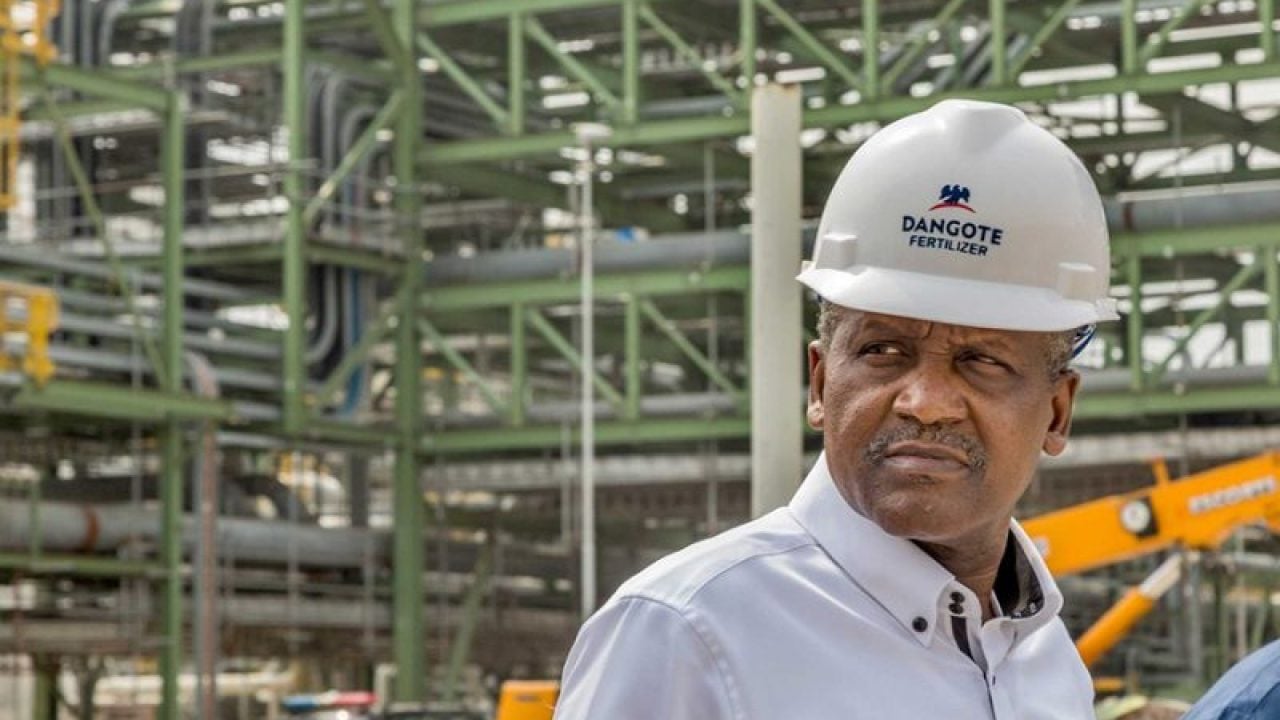
“The priority right now is not pricing; it’s availability. I think the situation will continue for a while,” said Aliko Dangote, Chairman of the Dangote Group, in a recent interview with The Economist.
The crisis has shifted the global energy calculus. Whereas market rates once dominated procurement decisions, energy security has now become the overriding concern for governments, particularly those in Africa heavily dependent on imported refined products.
South Africa, one of the continent’s largest energy consumers, has already formally signaled its intent to diversify supply. “The government is actively coordinating with industry stakeholders to secure both crude oil and refined petroleum products from a diversified range of sources,” a South African government spokesperson told Bloomberg, highlighting the urgency of mitigating Persian Gulf risks.
Other African nations are reportedly following suit, scrambling to secure contracts that ensure market stability despite global turbulence. The refinery’s strategic location and capacity offer a critical buffer that was previously unavailable, reducing reliance on distant, conflict-prone regions.
The Dangote Refinery’s emergence as a regional hub represents a turning point for Africa’s energy landscape. By providing a domestic alternative to Middle Eastern imports, the facility is helping nations decouple energy security from global conflicts, ensuring that Africa’s economies can continue to function even when traditional supply routes are disrupted.
For Nigeria, the impact has been transformative. Since commencing operations, the $21 billion Lekki-based refinery has eliminated the recurrent fuel shortages that plagued the country’s downstream oil sector, supplying petrol, diesel, and aviation fuel consistently. While pump prices remain elevated, the refinery has provided a critical buffer against external shocks and stabilized the nation’s fuel supply.
With regional demand intensifying amid geopolitical uncertainty, the Dangote Refinery is positioning itself not just as a national asset, but as a cornerstone of Africa’s energy resilience.
About the Author