Refinery owner says continued issuance of import licences by NMDPRA is crippling local refining and undermining the economy
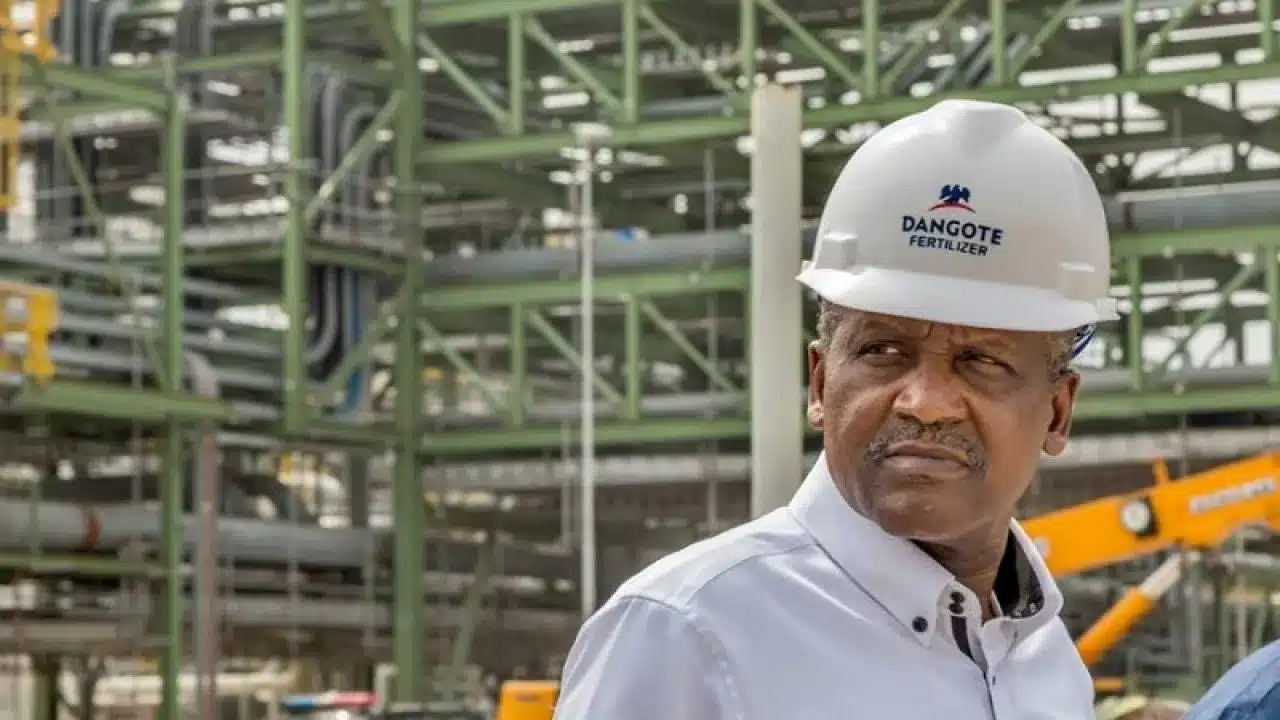
Chairman of Dangote Industries Limited, Aliko Dangote, has accused the Nigerian Midstream and Downstream Petroleum Regulatory Authority (NMDPRA) of issuing licences for the importation of petroleum products from Russia, alleging that the practice is sabotaging local refining and weakening Nigeria’s downstream oil sector.
Dangote made the allegations during a media interaction at the Dangote Refinery on Sunday, where he spoke extensively on the state of the downstream industry and accused the leadership of the NMDPRA, including its chief executive officer, Farouk Ahmed, of corruption and regulatory bias.
According to the billionaire industrialist, the regulator has continued to approve fuel import licences despite assurances that domestic supply is sufficient, a move he said favours international traders and oil importers at the expense of Nigerian refiners.
He alleged that the authority has issued what he described as “reckless licences” for the importation of about 7.5 billion litres of premium motor spirit (PMS) for the first quarter of 2026, even as local refineries struggle to remain viable.
Dangote said the continued inflow of imported fuel, particularly from Russia, makes it difficult for domestic refiners to compete, noting that Russian petroleum products are sold at deep discounts in the international market.
“The Russian product is at a discount. It is at $20 to $25 discount in terms of tonnage of crude,” he said. “Nigeria’s own crude is starting from a premium of $2 to $3, so there is an imbalance of about $28. Nigerians are paying a very great price because it is destroying the downstream refineries.”
He argued that while his refinery has worked to keep pump prices low, vested interests are deliberately undermining those efforts by flooding the market with imported fuel.
“Some people are really bent on destroying the economy of the country by making sure that they keep issuing licences to bring in products from Russia,” Dangote said.
The Dangote Group chairman warned that the policy environment has already driven major international oil companies out of Nigeria’s downstream sector, leaving the country heavily dependent on imports.
“When you look at it now, how many downstream actors do we have? All the foreign companies have actually left the country. Shell and others have gone offshore. Nobody is operating downstream,” he said.
Dangote said modular refineries across the country are barely surviving under current conditions and are at risk of shutting down completely if fuel import licences continue to be issued at the present scale.
He also raised concerns about what he described as entrenched interests within the oil sector that profit from fuel imports, arguing that Africa’s continued dependence on imported refined products contradicts decades of advocacy for local value addition.
“There are powerful interests in the oil sector. It is troubling that African countries continue to import refined products despite long-standing calls for domestic refining,” he said.
“The volume of imports being allowed into the country is totally unethical and does a disservice to Nigeria. We have already built our own refinery. Others will not be able to build theirs if this continues.”
Dangote stressed the need for a strict separation between regulation and commercial trading, warning that allowing traders to influence regulatory decisions would erode confidence in the sector.
“The downstream sector must not be destroyed by personal interests. A trader should never be a regulator,” he said, adding that although 47 import licences have reportedly been issued, the hostile operating environment has discouraged investment in new refineries.
He further alleged that local refiners are compelled to buy Nigerian crude at premiums of up to four dollars per barrel from the trading arms of international oil companies, placing them at a competitive disadvantage compared to foreign refiners.
Dangote also called on the Federal Government to reform how crude oil taxes are assessed, urging authorities to base taxation on actual transaction values rather than estimates that allow under-declaration and revenue losses.
The allegations come against the backdrop of the NMDPRA’s regulatory mandate under the Petroleum Industry Act of 2021. In May 2023, the authority’s chief executive, Farouk Ahmed, announced that the regulator was prepared to issue licences to companies interested in petrol importation, noting that the law empowers the NMDPRA to approve licences for refiners or crude producers that meet stipulated requirements.
Dangote, however, insists that the current approach threatens the survival of Nigeria’s downstream sector and undermines the country’s long-term energy and industrial development goals.
About the Author