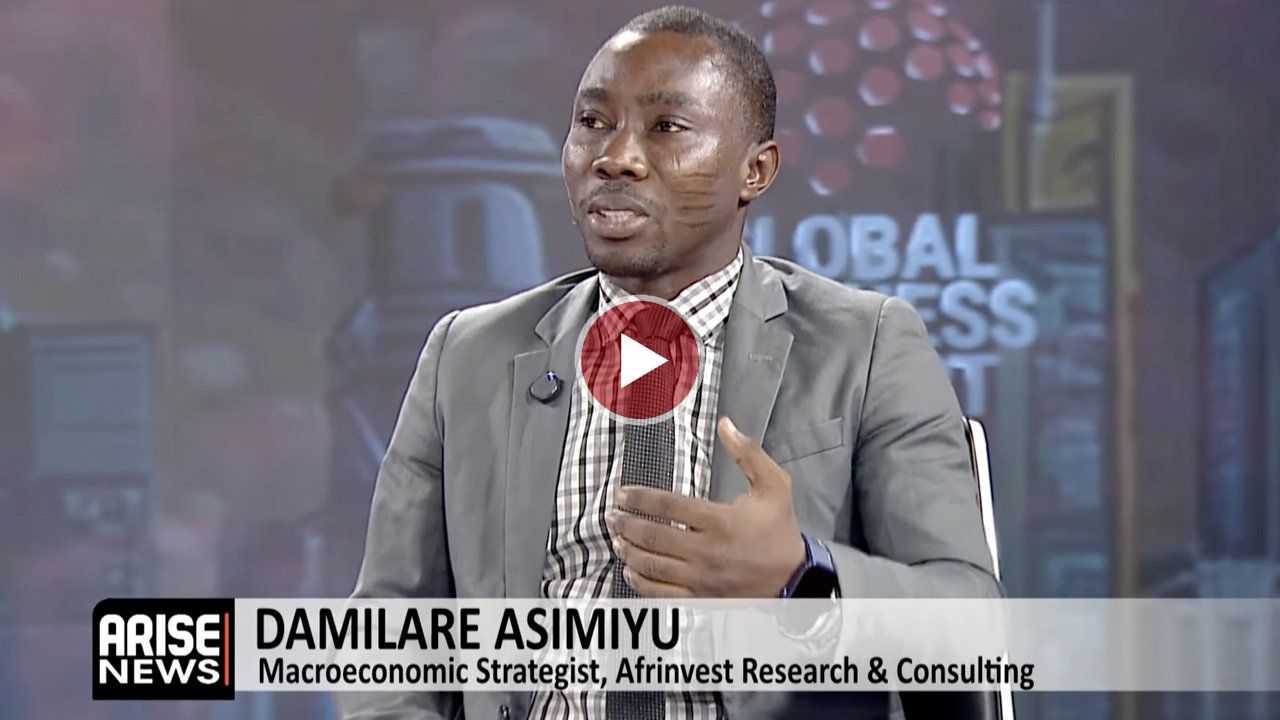
Nigeria’s February inflation figures may not reflect actual price conditions, as macroeconomic strategist Damilare Asimiyu says the apparent drop is largely due to statistical adjustments and warns that underlying economic pressures may push prices higher in the coming months.
Speaking during an interview with ARISE News on Wednesday, Asimiyu explained that the February inflation data should be interpreted cautiously, noting that the figures were influenced more by statistical corrections than by real improvements in price stability across the economy.
He stated that the decline in inflation was primarily the result of what he described as a “statistical realignment” carried out by the National Bureau of Statistics, following inconsistencies observed in earlier Consumer Price Index (CPI) calculations.
“The inflation number for February was more of a result of a statistical realignment,” he said, adding that recent figures reflect efforts by the agency to correct distortions created during previous rebasing exercises.
Asimiyu noted that earlier recalibration methods led to unusual outcomes, including negative inflation readings that did not correspond with the actual experiences of consumers in the country.

“You can see that in general, we had a negative deflation, which in reality, that’s not what the experience of an individual would be,” he said.
He further explained that the adjustments stem from changes in how inflation data was recalculated after the rebasing of the CPI, noting that earlier methodologies created gaps now being corrected through a smoothing process.
“And because of that strange reason, we had a negative inflation last January as well… but the smoothing effect is what told on February inflation,” he added.
Despite the apparent moderation in February, the economist warned that more significant inflationary pressures are likely to emerge in the coming months, particularly due to rising global energy costs and their widespread economic impact.
“But what is very likely for March is that month-on-month inflation… will be a bit brutal,” he said, stressing that sustained increases above one percent monthly could translate into much higher annual inflation rates.
He emphasised that energy prices remain a key driver of inflation, noting that increases in fuel costs affect production, transportation, and overall cost of living across multiple sectors.
“Energy goods is derived demand. It affects every sector,” he said.
Asimiyu also pointed to structural challenges within Nigeria’s economy, particularly in agriculture, as a major contributor to persistent inflation, especially in food prices which carry the highest weight in the inflation basket.
“We have not put up a structure that will support the sort of food inflation that will give us comfort as a country,” he said.
He highlighted insecurity in key agricultural regions such as Benue and Kogi, explaining that disruptions to farming activities in these areas continue to limit food production and drive up prices nationwide.
“When you have insecurity that is crippling people from accessing their farmland… you will continue to see pressure on food prices,” he explained.
In addition, he identified poor logistics and transportation systems as critical issues, noting that reliance on road transport significantly increases the cost and inefficiency of moving goods across the country.
“Most of our food products have to be transported using buses, which wastes time and is also inefficient,” he said, advocating for improved rail infrastructure to ease distribution costs.
Looking ahead, Asimiyu warned that global economic developments, including geopolitical tensions and capital flight from emerging markets, could further worsen Nigeria’s inflation outlook.
“People are moving their money to safer assets… and they have been concerned about emerging markets,” he noted.
He added that these external pressures could complicate decisions by monetary authorities, particularly in balancing inflation control with economic growth.
On the broader outlook, Asimiyu said achieving single-digit inflation in Nigeria remains unlikely in the near term due to deep-rooted structural challenges.
“To have a single-digit inflation rate… the answer is almost close to zero in the near term,” he said.
He concluded that while February’s figures may suggest temporary relief, underlying economic realities indicate that inflationary pressures remain strong and could intensify in the months ahead.
Triumph Ojo
About the Author