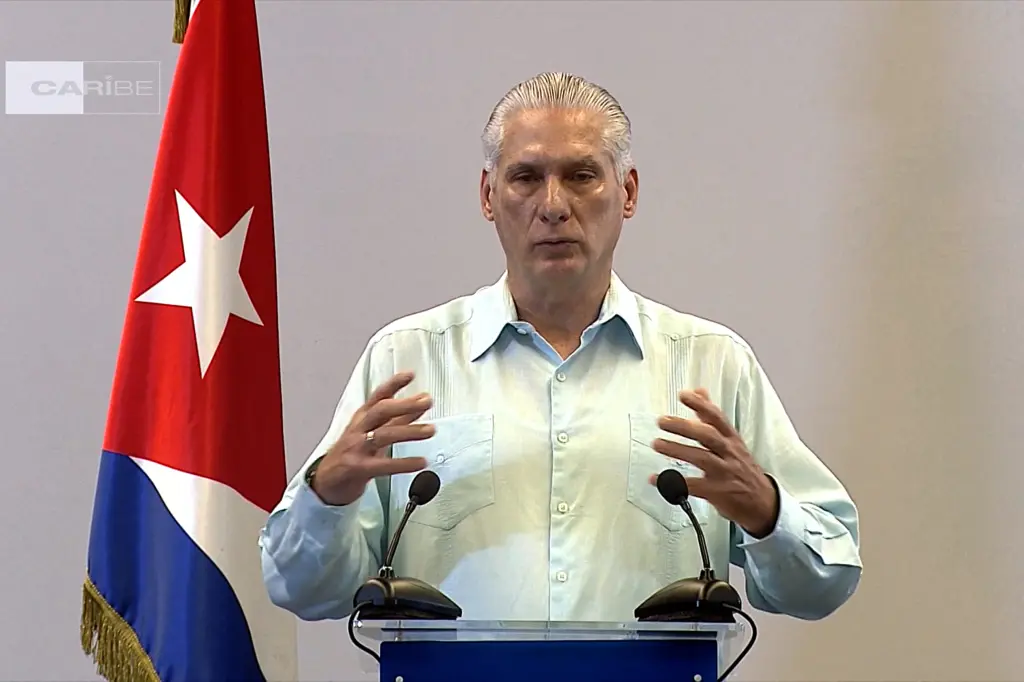
Cuba authorities are working urgently to restore electricity nationwide after another major blackout plunged large parts of the island into darkness, as U.S. President Donald Trump intensified political pressure with fresh remarks suggesting the United States could “take” the country.
Government officials said power had been restored to roughly two-thirds of the island by Tuesday morning, though several areas remained affected as technicians continued efforts to stabilise the fragile national grid.
The latest outage adds to a long-running energy crisis driven by severe fuel shortages and ageing electricity infrastructure.
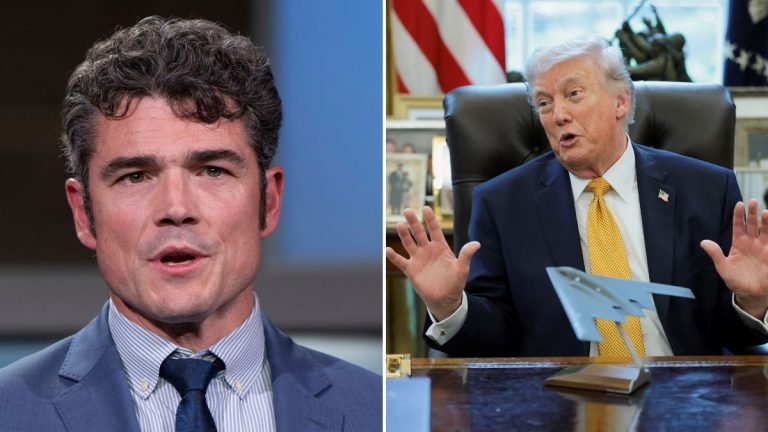
The blackout came just as Trump made one of his strongest public comments yet on Cuba’s political future, telling reporters at the White House that he believed he could have “the honor of taking Cuba.”
“All my life I’ve been hearing about the United States and Cuba. When will the United States do it? I do believe I’ll be having the honor of taking Cuba,” Trump said, adding that the island is currently in a weakened state.
His remarks have heightened already tense relations between Washington and Havana, where communist authorities are facing mounting economic strain after tighter U.S. restrictions on fuel supplies and trade.
Earthquake Adds to Pressure
Compounding the crisis, a 5.8-magnitude earthquake struck off Cuba’s coast early Tuesday, though there were no immediate reports of deaths or major structural damage.
For many residents in Havana, where electricity returned only in some neighbourhoods, the immediate concern remained preserving food and coping with recurring outages.
A local resident, Olga Suarez, said prolonged blackouts have become a routine hardship, with fears that food stored in refrigerators could spoil because of repeated power cuts.
Cuba’s electricity generation system has struggled for years, but conditions have worsened sharply in recent months as fuel imports declined.
Officials and analysts say the situation became more severe after oil shipments from Venezuela dropped significantly under increased U.S. pressure, leaving the island with limited supplies for power generation. Daily outages lasting up to 20 hours have become common in several provinces.
The fuel shortage has also affected transportation and tourism, with airlines reducing flights and economic activity slowing further.
In a move widely seen as an attempt to ease pressure, Cuban authorities announced new economic measures allowing Cuban exiles abroad to invest in and own businesses on the island—an important shift in policy aimed at attracting foreign capital and boosting domestic resilience amid deepening hardship.
About the Author