CSOs Raise Alarm Over Renewed Insurgent Attacks in Borno State
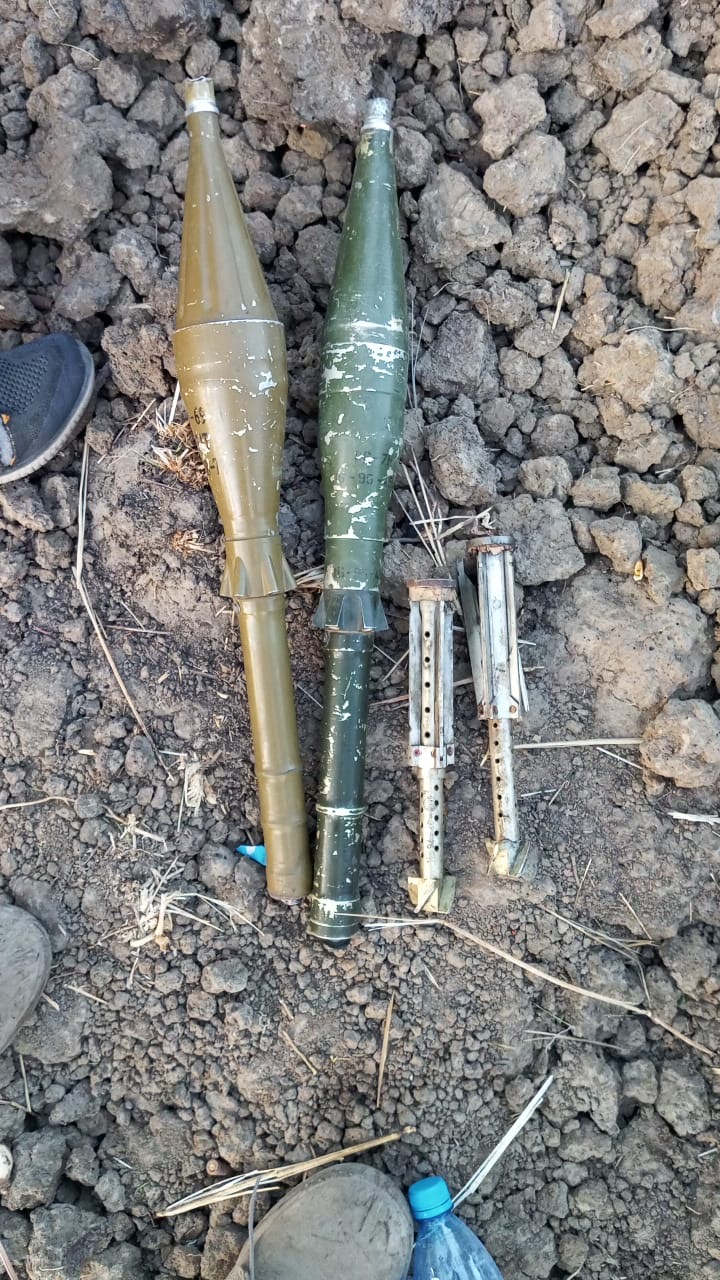
Civil society organisations in Borno State have convened a strategic meeting with key stakeholders to address growing concerns over the resurgence of insurgent attacks in several communities across the state. The meeting, organised by the Borno State Network of Civil Society Organisations (CSOs), followed a series of recent assaults on communities that participants described as …
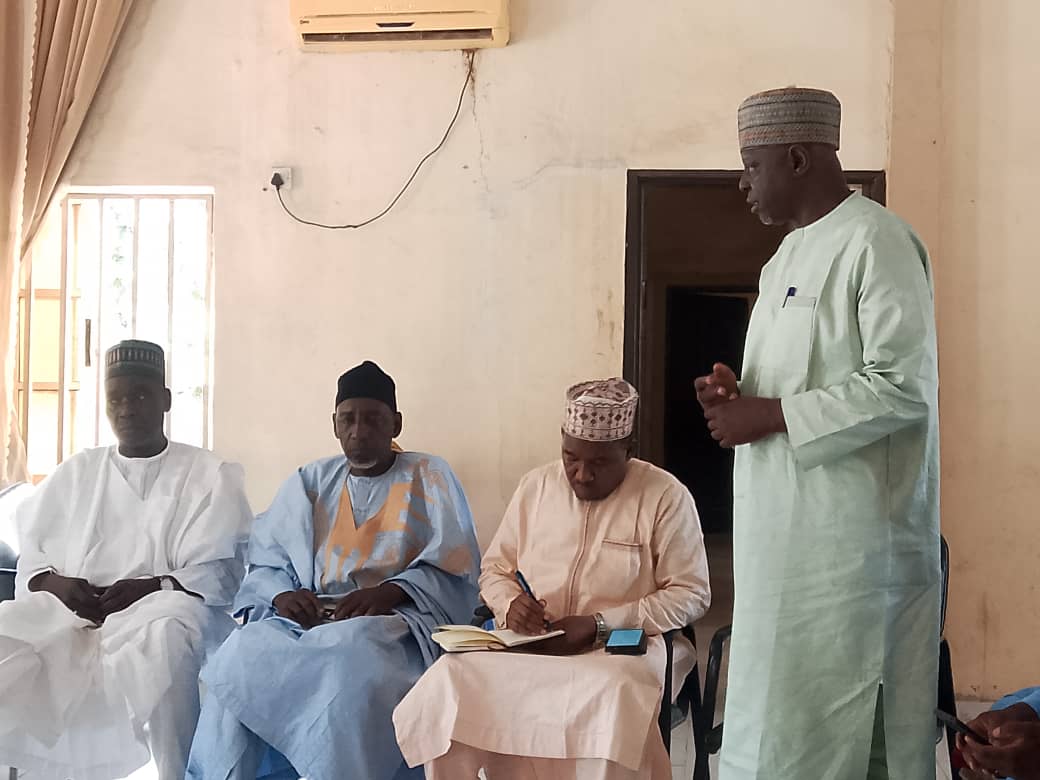
Civil society organisations in Borno State have convened a strategic meeting with key stakeholders to address growing concerns over the resurgence of insurgent attacks in several communities across the state.
The meeting, organised by the Borno State Network of Civil Society Organisations (CSOs), followed a series of recent assaults on communities that participants described as deeply troubling and a setback to ongoing security efforts.

During the discussions, stakeholders highlighted several security challenges they believe are worsening the situation. Among them were claims that some towns are left without security patrols at night, leaving residents vulnerable to attacks.
Participants also raised concerns about logistical challenges affecting security operations, particularly the reported shortage of fuel for patrol vehicles. According to them, the situation has weakened the ability of security personnel to conduct effective patrols and respond quickly to threats.
Another key issue discussed was the need for stricter monitoring of property transactions within communities. Stakeholders warned that insurgents could exploit loopholes in the system to acquire houses and use them as bases for planning attacks.
Chairman of the organisation, Comrade Bulama Abiso, described the renewed wave of violence as both shocking and deeply disturbing.
He said the sudden return of attacks in parts of the state had raised serious concerns among civil society groups, prompting the meeting to review the situation and develop recommendations for security agencies and community leaders.
Abiso noted that the discussions were aimed at identifying practical steps that could help halt the attacks and strengthen cooperation between communities and security authorities.
While reiterating the willingness of civil society groups to support government efforts, he stressed that safeguarding lives and property remains the responsibility of the state.
According to him, the meeting was part of efforts by civil society organisations to help bridge existing gaps and ensure that decisions taken would ultimately benefit local communities.
Abiso also called on residents to support security agencies by providing reliable intelligence, emphasising that community cooperation is critical in the fight against insurgency.
He stressed that defeating insurgents requires close collaboration between the military, local communities, and other stakeholders including traditional rulers, religious leaders, members of the Civilian Joint Task Force (JTF), and ordinary residents.
Abiso further expressed concern over the growing number of casualties linked to the renewed attacks. He noted that both civilians and members of the military have lost their lives, while others have reportedly been abducted.
He warned that continued insecurity could also threaten ongoing efforts to return internally displaced persons to their communities, describing the situation as serious and requiring urgent attention.
The meeting concluded with a renewed call for stronger coordination among security agencies, community leaders, and civil society groups to address the evolving security challenges in Borno State.
About the Author