The International Crisis Group has called for the creation of a Hormuz transit initiative to protect global food security.
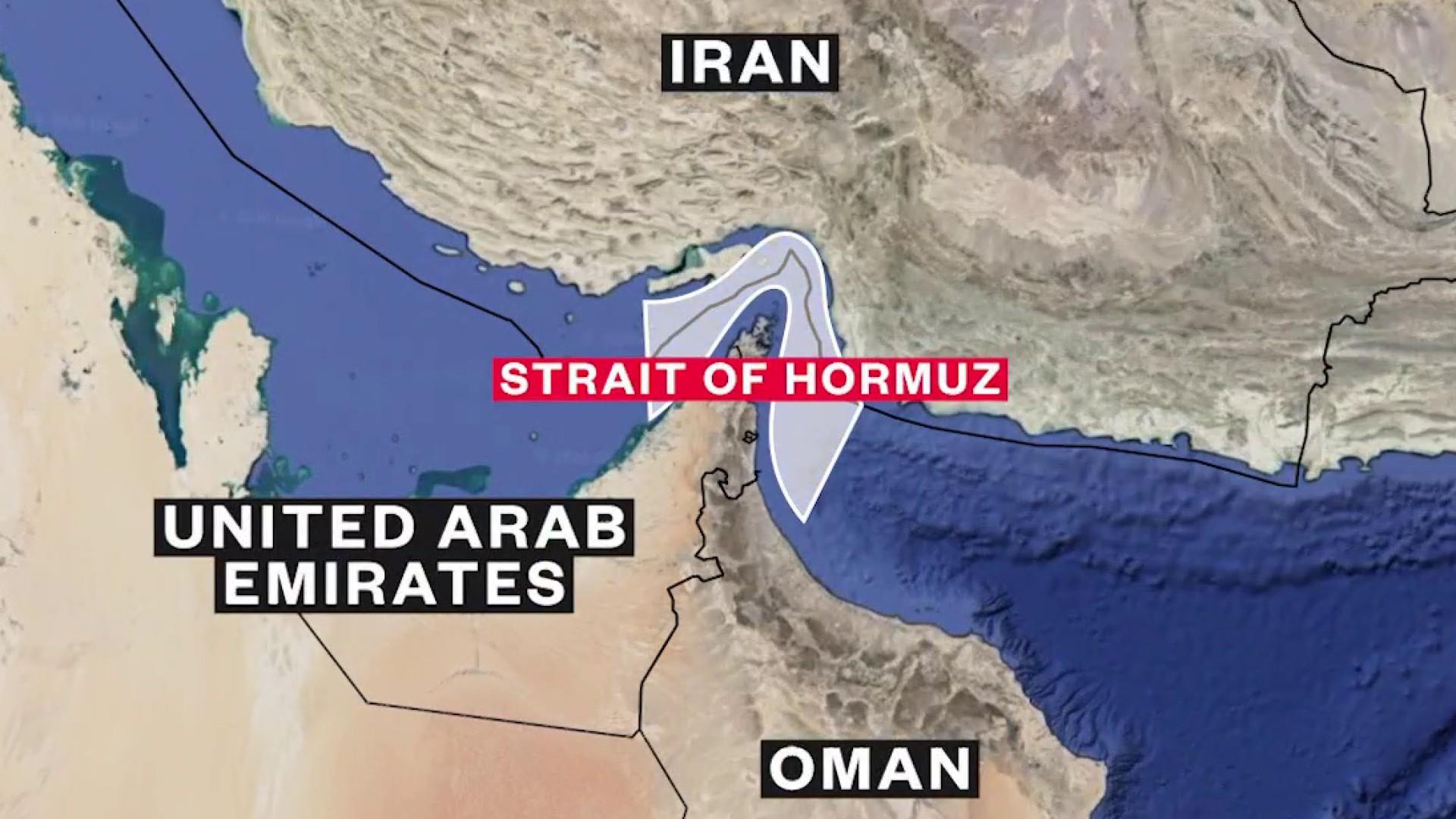
In a press statement published on Monday, the group warned that disruptions to maritime traffic through the Strait of Hormuz are threatening global supplies of fertiliser and food-related materials.
The press statement was signed by prominent figures including Fola Adeola, founder and chairman of FATE Foundation; Gérard Araud, former ambassador of France to the United States; Carl Bildt, former prime minister and foreign minister of Sweden; Maria Livanos Cattaui, member of the board of directors of Open Society Foundations and former secretary-general of the International Chamber of Commerce; and Helen Clark, former prime minister of New Zealand and former head of UNDP, has called for the creation of a Hormuz transit initiative to protect global food security.
Others include Miriam Coronel-Ferrer, former senior mediation adviser to the United Nations; Nathalie Delapalme, executive director and board member of the Mo Ibrahim Foundation; Maria Fernanda Espinosa, former president of the 73rd session of the UN General Assembly; Gareth Evans, former foreign affairs minister of Australia; Sigmar Gabriel, former vice-chancellor of Germany; Ralph Gonsalves, former prime minister of Saint Vincent and the Grenadines; and Arancha González Laya, dean of the Paris School of International Affairs and former Spanish foreign minister.
The statement noted that the ongoing Middle East conflict has curtailed shipments through the strategic waterway, which handles a significant share of global fertiliser trade.
It cautioned that the impact would be most severe for smallholder farmers in developing countries, where fertiliser costs account for a large portion of production expenses, potentially leading to reduced planting and worsening food shortages.
To address the growing risk, the group proposed a targeted initiative modelled on the 2022 Black Sea Grain deal, which enabled the safe export of agricultural commodities during the Russia-Ukraine conflict.
According to the statement, a similar mechanism in the Gulf could ensure the uninterrupted flow of fertiliser, food, and related materials through the Strait of Hormuz without requiring a broader resolution of the conflict.
The statement welcomed the United Nations’ move to establish a task force to address maritime trade disruptions and explore mechanisms for facilitating safe transit of essential goods.
It emphasised that the proposed initiative should focus on practical, clearly defined objectives, bringing together diplomatic, maritime, and humanitarian expertise to maintain supply chains.
The group added that such a framework could help stabilise global markets, support food security, and reduce the broader humanitarian and economic impact of the conflict.
While reiterating the need for a ceasefire, it stressed the urgency of immediate measures to mitigate the fallout of continued hostilities.
About the Author