Policy seen as poorly timed amid soaring energy costs and fragile economic recovery – Muda Yusuf….
The Centre for the Promotion of Private Enterprise (CPPE) has expressed strong opposition to calls for additional taxation on sugar-sweetened beverages (SSBs), describing the proposal as ill-timed, counterproductive, and inconsistent with Nigeria’s ongoing tax reform agenda.
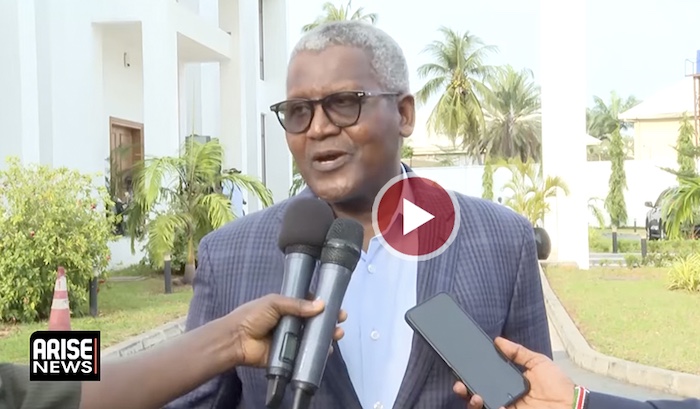
In a statement signed by Chief Executive Officer of CPPE, Dr. Muda Yusuf, the think tank argued that introducing new taxes on the manufacturing sector particularly an energy-intensive industry such as beverages would deepen economic pressures, threaten jobs, and discourage investment at a time when the economy is still navigating a fragile recovery.
“The Nigerian business environment remains extremely challenging,” Yusuf said. “Inflation is high, interest rates are at historic levels, and energy costs have skyrocketed, with diesel up over 70% and petrol over 200% in the past two years. Adding a new tax on top of this would be profoundly counterproductive.”
The CPPE highlighted that beverage manufacturing is heavily energy-dependent, requiring large amounts of power for processes such as water purification, pasteurization, carbonation, high-speed bottling, packaging, refrigeration, and distribution. According to the statement, rising energy bills, high distribution costs, and weak consumer demand have already placed immense strain on the sector.
Evidence cited by CPPE shows that over the past two years, beverage prices have increased by more than 50%, sales volumes have declined, and many small and medium-scale producers are struggling to stay afloat. Imposing new taxation, the think tank warned, would only exacerbate these challenges.
Impact on Jobs and Value Chains
Yusuf noted that the food and beverage sector is one of the largest employers in Nigeria’s manufacturing space, supporting an extensive value chain from agriculture to retail. “Additional taxation could accelerate downsizing, force closures of vulnerable firms, disrupt agricultural supply chains, and increase informalization in the sector,” he said.
Public Health Concerns Misplaced
While acknowledging rising cases of non-communicable diseases like diabetes, CPPE emphasized that taxing sugar-sweetened beverages is not a silver bullet for public health challenges. Broader lifestyle factors, dietary habits, and consumption patterns play a more significant role.
Instead, CPPE recommended alternative strategies, including public health education, promotion of physical activity, preventive healthcare access, and constructive collaboration with industry stakeholders.
Policy Consistency and Investor Confidence
The think tank also warned that introducing a sector-specific tax at this time could undermine Nigeria’s ongoing tax reform efforts, which focus on reducing multiplicity of taxes, improving tax administration, and fostering an investment-friendly environment. Yusuf said that sudden new levies could send negative signals to investors and weaken confidence in the manufacturing sector.
Conclusion
CPPE concluded that the proposed SSB tax is misaligned with Nigeria’s current economic realities and urged the government and National Assembly to reject the proposal. Yusuf stressed that at this critical stage, policy focus should remain on supporting businesses, protecting jobs, and driving economic growth, rather than adding new fiscal burdens on an already strained industry.
About the Author