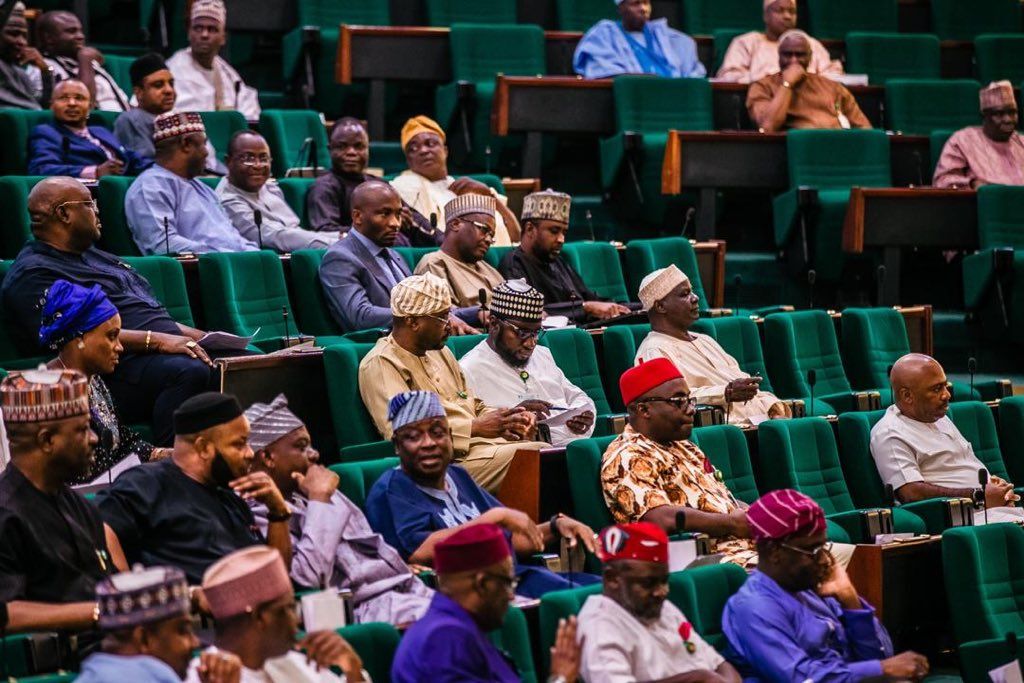
Nigeria’s House of Representatives has intervened in the controversy over COVID-19 loan recoveries, urging a more flexible approach.
Lawmakers have directed the Central Bank of Nigeria (CBN), NIRSAL Microfinance Bank, and the Small and Medium Enterprises Development Agency of Nigeria (SMEDAN) to restructure the repayment framework for beneficiaries of the pandemic-era loans. The House is pushing for reduced interest rates, extended repayment timelines, and more lenient terms to ease the burden on households and small businesses.
The move follows widespread complaints from Nigerians who alleged that funds were being deducted directly from their bank accounts without prior notice. In response, lawmakers also urged the Ministry of Finance to suspend all forceful recovery measures and consider granting waivers, particularly for low-income earners and vulnerable small business owners.
The motion was moved by Saidu Abdullahi, who stressed that many beneficiaries are struggling to repay due to the current economic realities. He noted that the loans were introduced as relief measures during the pandemic and should not become a source of additional hardship.
Stakeholders have also called for greater transparency, urging the CBN and NIRSAL Microfinance Bank to publish detailed records of disbursements and recoveries. According to them, uncertainty surrounding the total amount disbursed and repaid has raised concerns among the public.
The COVID-19 Targeted Credit Facility, introduced in 2020, was designed to cushion the economic impact of the pandemic on Nigerians and small businesses. The programme, created by the Central Bank and implemented through NIRSAL Microfinance Bank, provided financial support at a critical time.
Available figures show that about N419.42 billion was disbursed to 792,936 beneficiaries nationwide, including households and small enterprises. However, recent complaints from some beneficiaries suggest that loan recoveries may be affecting personal savings without clear communication.
With pressure mounting, the House maintains that reforms are necessary to balance loan recovery efforts with the economic survival of Nigerians already facing tough financial conditions.