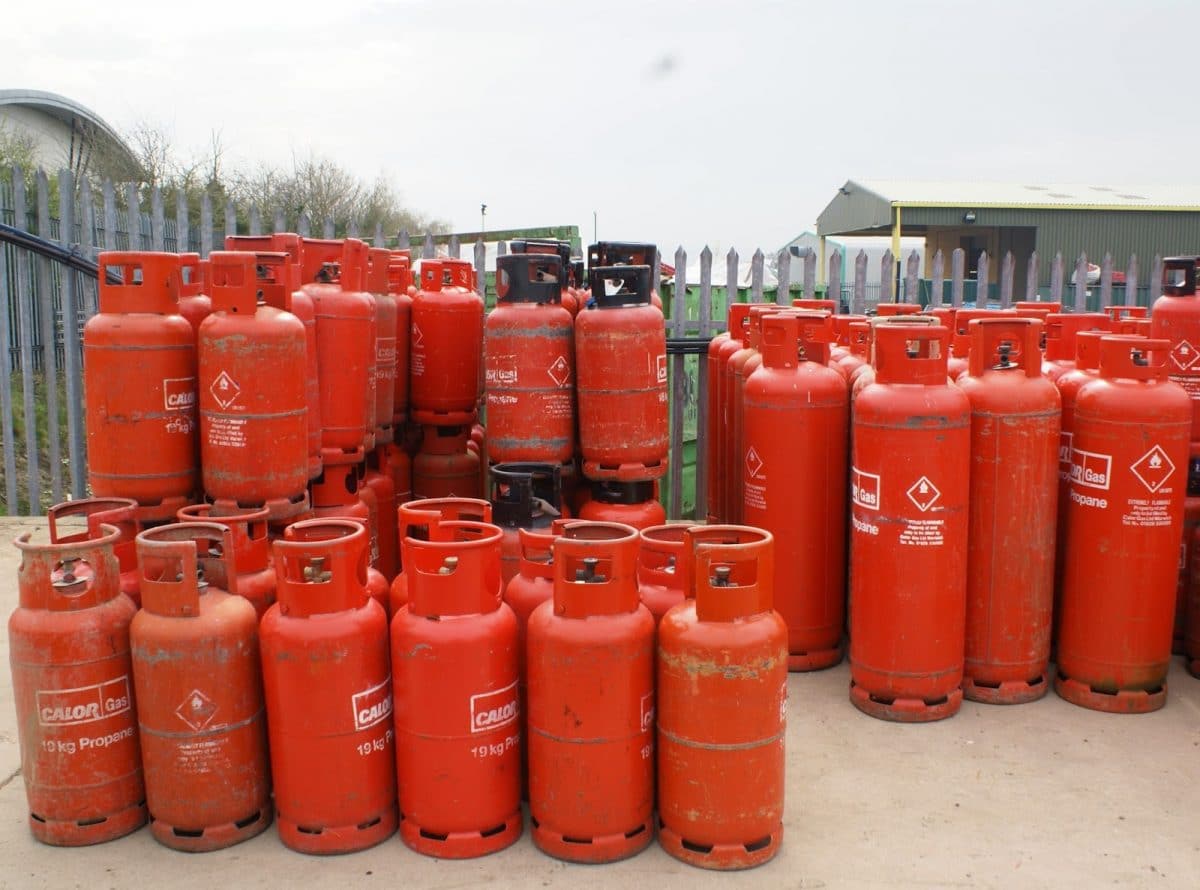
Middle East tensions push up crude prices, squeezing LPG supply and driving down consumption nationwide…
Nigeria’s cooking gas market is facing fresh pressure as supply declines and prices climb, forcing many households to cut back on usage.
Latest data from the Nigerian Midstream and Downstream Petroleum Regulatory Authority (NMDPRA) shows that Liquefied Petroleum Gas (LPG) supply dropped by 8.5 per cent month-on-month to 4.7 metric tonnes per day in February 2026, down from 5.1 metric tonnes recorded in December 2025.
The decline in supply comes alongside a sharper contraction in consumption. According to the agency’s February factsheet, daily LPG consumption fell by 20 per cent to 4,194 metric tonnes in February, compared to 5,050 metric tonnes in January.
Market checks indicate that the drop is closely tied to rising global oil prices, triggered by renewed tensions in the Middle East. The crisis has disrupted crude oil supply in the international market, pushing prices up to about $84 per barrel and driving increases across petroleum products, including cooking gas.
The impact is already being felt by consumers. Across Lagos, retail prices for LPG have surged significantly, with a kilogram now selling between N1,050 and N1,300 in many outlets. In some locations, prices have climbed even higher, reaching between N1,400 and N1,500 per kilogram.
Official figures reflect the volatility. The NMDPRA report puts the national retail price range for February at N980 to N1,500 per kilogram, compared to N950 to N1,550 recorded in January.
Beyond LPG, broader gas supply metrics also showed a downward trend. Total wholesale gas supply declined slightly to 4.771 billion standard cubic feet per day (BSCF/d) in February, from 4.837 BSCF/d in January. Similarly, average daily gas supply to the domestic market dropped to 1.763 BSCF/d, down from 1.906 BSCF/d in the previous month.
The combined effect of tighter supply and rising prices is putting additional strain on households already grappling with high living costs. Analysts warn that if global oil market disruptions persist, cooking gas prices could remain elevated, further dampening consumption and slowing Nigeria’s push toward cleaner household energy adoption.
About the Author