With the general elections, even the mayoral and council polls concluded, a troubling narrative repeatedly emerges.
Each cycle brings with it alarming reports of numerous arrests, often involving our youth on charges that range from illegal protests to vandalism and public disturbances.
Meanwhile, the tragic stories of those who have been killed in these confrontations belong to another conversation entirely. Yet, conspicuously absent from the headlines are arrests of individuals caught on camera committing electoral malpractices.
Remarks from officials, such as the assistant RDC of Gomba, who has been recorded encouraging electoral fraud, seem to fade into the background without consequence. Perhaps even more disconcerting is the lack of accountability for those who violently attacked the family of prominent opposition leader Robert Kyagulanyi Ssentamu popularly known as Bobi Wine.
How can we uphold a democratic society when those who perpetrate such acts escape scrutiny? Justice demands that these criminals be brought to book. Amidst the ongoing cycle of arrests, one is led to question the fate of these individuals.
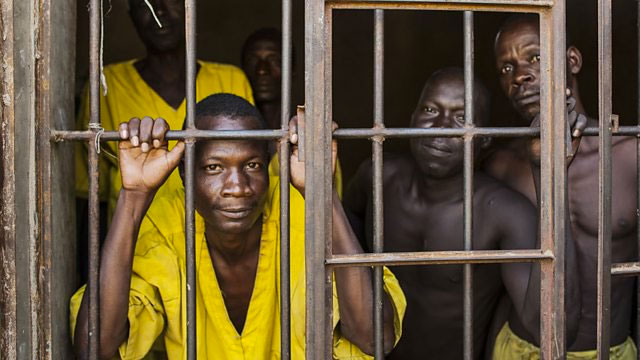
The Uganda Prisons 2024/2025 report paints a dire picture: our prisons are alarmingly overcrowded, with 38,062 prisoners on remand, nearly nearing the 41,161 convicts as of June 2025 – figures that have remained alarmingly stable over time.
Inmates recount harrowing jail conditions where spaces meant for one now accommodate four, turning sleeping arrangements into a complex jigsaw puzzle. In June 2025, 9.7% of prison units were reported to be critically congested, operating at over 600% capacity.
Furthermore, over half of the prison units faced serious overcrowding. This chronic situation raises urgent questions: Why do the Uganda Police and our judicial system persist in relying on incarceration as the primary punitive measure?
What has happened to the rule of law, which should serve as a bulwark against tyranny, rather than the weapon of law used to suppress dissent and stifle voices of opposition? Innocent until proven guilty a fundamental principle of our justice system seems increasingly disregarded as many find themselves wrongfully detained on questionable grounds.
The presumption of innocence is a right, not a privilege, yet it appears to be eroded under the weight of arbitrary enforcement and systemic neglect. In a nation teeming with potential for reform, myriad avenues exist for offenders to engage in community service and face alternative consequences, particularly for minor infractions that should not warrant jail time.
As it stands, countless Ugandans languish behind bars, some awaiting trial for years. The pressing need for systemic reform is evident; the current trajectory suggests an impending crisis, leaving open the unsettling possibility that any of us could fall prey to a system increasingly spiraling out of control.
We must demand accountability for those who commit political violence and insist on the rule of law being applied equitably and justly to all citizens. Only then can we aspire to a truly democratic society.
About the Author