A new report from the World Health Organization, produced with UNDP, UNFPA, UNICEF, and the World Bank, highlights the extreme risks faced by pregnant women in fragile and conflict-affected countries.
Women in conflict-affected nations face roughly five times higher risk of dying from maternal causes during pregnancy compared with women in stable countries.
In 2023 alone, an estimated 160,000 women died from preventable maternal causes in these fragile and conflict-affected countries. These deaths accounted for six in ten maternal deaths globally, even though these countries represent only about 10% of global live births.
Crises disrupt health systems, making it difficult to provide consistent, lifesaving maternal care. Vulnerabilities are further compounded by gender, age, ethnicity, and migration status, putting certain groups at even higher risk.
Maternal mortality ratios also show stark differences: conflict-affected countries recorded 504 deaths per 100,000 live births, fragile countries 368, and stable countries 99. The report shows that progress in reducing maternal deaths has stalled, particularly in low-income and crisis-affected settings.
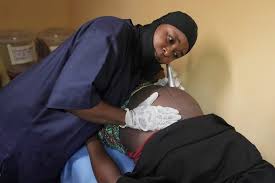
Despite these challenges, frontline teams are finding innovative ways to save lives. Health workers are restoring disrupted services, hospitals are reorganising care amid security threats, and communities are shaping services to meet local cultural needs.
The report concludes: even in the most challenging circumstances, practical solutions and community-driven adaptations can save lives and protect maternal health.
About the Author