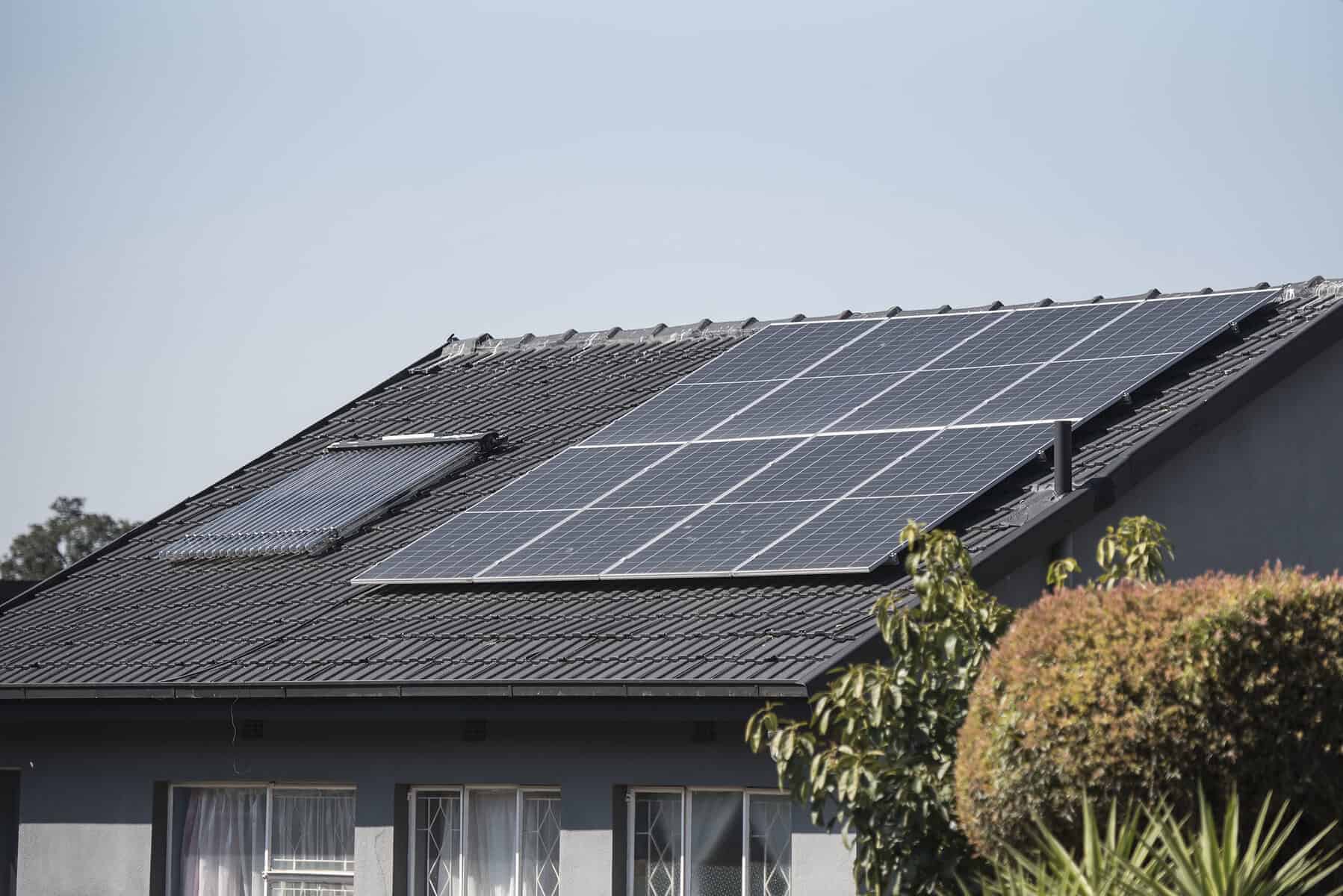
City Power says the conversion from prepaid to postpaid metering for customers with solar PV is a necessary operational and technical requirement.
The power utility clarified details on Monday regarding the conversion of prepaid residential customers to the postpaid billing system.
Clarification
Last week, the DA accused City Power of targeting Johannesburg residents who have installed solar power on their houses.
City Power announced that customers with solar installations who are currently on prepaid meters will also be converted to postpaid billing.
“This measure is necessary to ensure accurate accounting of electricity imports and exports, improve network management, and align solar PV customers with the appropriate billing framework,” it said.
ALSO READ: City Power extends prepaid meter conversion deadline for non‑paying customers
Risks
City Power spokesperson Isaac Mangena said prepaid meters are not designed to accurately measure two-way electricity or energy flows, which occur when customers generate energy and export excess power back into the grid.
“This creates risks related to billing inaccuracies, revenue leakage, network instability, especially through reactive energy (pumping unregulated excess energy back into the grid), and safety concerns for our customers.
“It robs customers of the benefits, including the revenue from selling excess power to City Power grid, and reduced Time-of-Use tariff, especially during peak periods,” Mangena said.
Not punishing customers
Mangena said the measure is not intended to punish customers who have invested in embedded energy, especially solar energy, despite the DA accusing City Power of attempting a “power grab” against residents with solar.
“We encourage it! On the contrary, it is aimed at creating a more efficient, fair and future-ready electricity system that can accommodate embedded energy generation by customers, while maintaining grid stability and affordability for all customers.
“Claims made by various organisations, such as OUTA and the Democratic Alliance, suggesting that City Power is acting unlawfully or unfairly are unfounded. The conversion to postpaid meters is a standard utility practice done even in other cities, whether in Europe or Cape Town, guided by technical requirements, regulatory compliance, safety, and the need to ensure long-term sustainability of the electricity supply system,” Mangena said.
Solar power
Mangena added that City Power does not charge customers for installing solar PV systems.
“Customers are free to install solar at their own cost using approved installers, in line with applicable regulations and technical standards. The claim that City Power wants to charge customers for solar installations is false.”
Mangena said that while the installation of Solar PV systems is an integral part of City Power’s 10-point plan, aimed at addressing energy shortages in the country, it has to be done in line with “safety regulations.”
ALSO READ: Eskom R254bn bailout eased financial pressure, but drained state coffers
About the Author