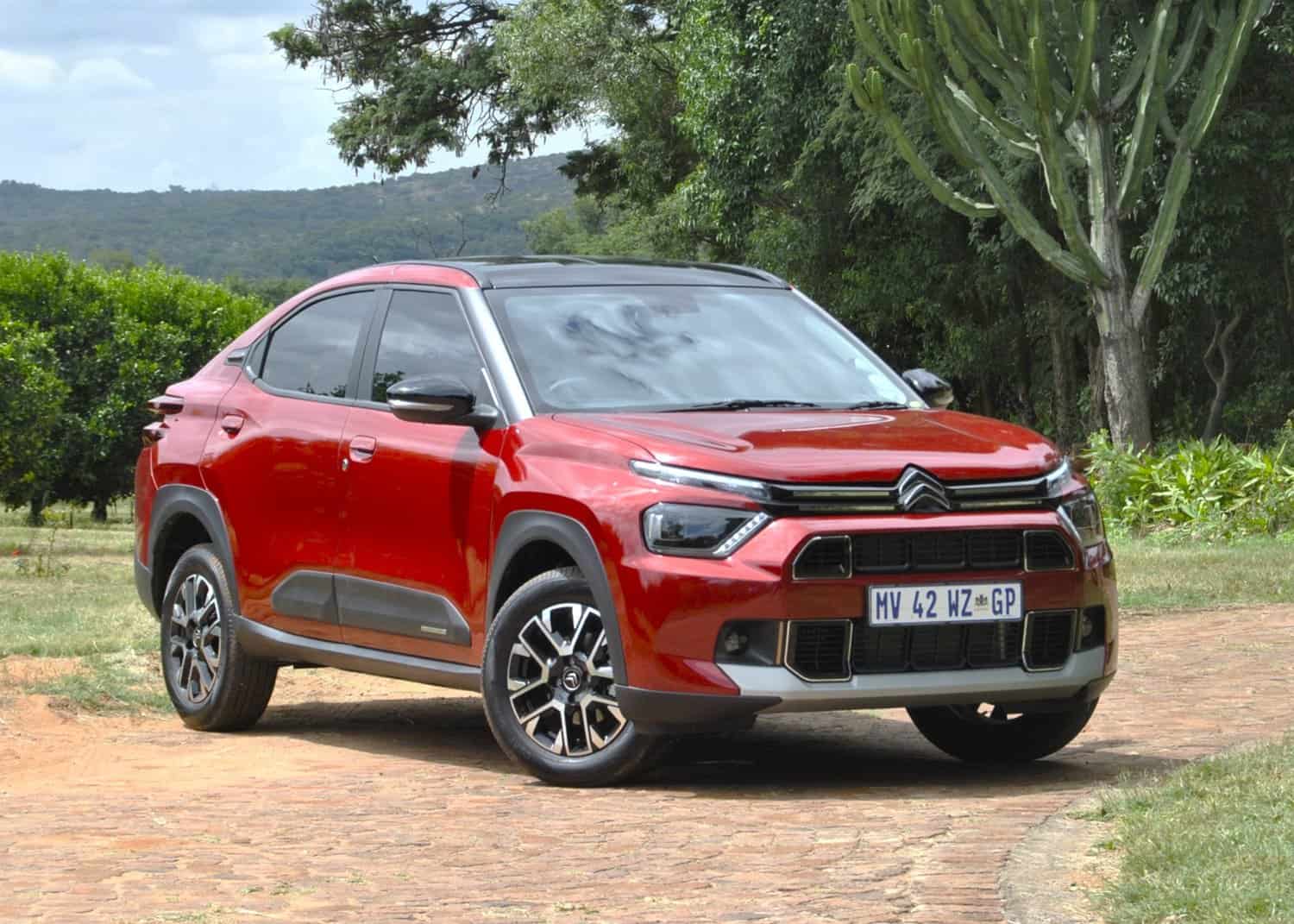
Realigned from parent company, Stellantis’ premium division to entry-level in 2023, Citroën’s fortunes have dramatically changed over the last three years.
Dramatic change in fortunes
With product sourcing originating from India instead of Europe, the double chevron now ranks as the best-selling Stellantis marque ahead of sister brands Fiat, Opel and Peugeot.
ALSO READ: Long-overdue Citroën Basalt almost ready for South Africa
Comprising the C3 and C3 Aircross, Citroën sales last year topped out at 6 500 units, a considerable leap over the 877 from three years before.
Although unlikely to please staunch fans given Citroën’s vested reputation as a technological and premium brand instead of one now aimed at developing markets, its turnaround’s still rates as a success given its limited product range.
Long awaited arrival
Introduced in 2024, the Basalt increases this to three as not only a new Citroën product outright, but an entirely different prospect altogether.
Produced alongside the C3 and C3 Aircross at the Tiruvallur plant outside Chennai, the Basalt marks Citroën’s first foray, outside Europe, into the coupe-styled crossover segment.
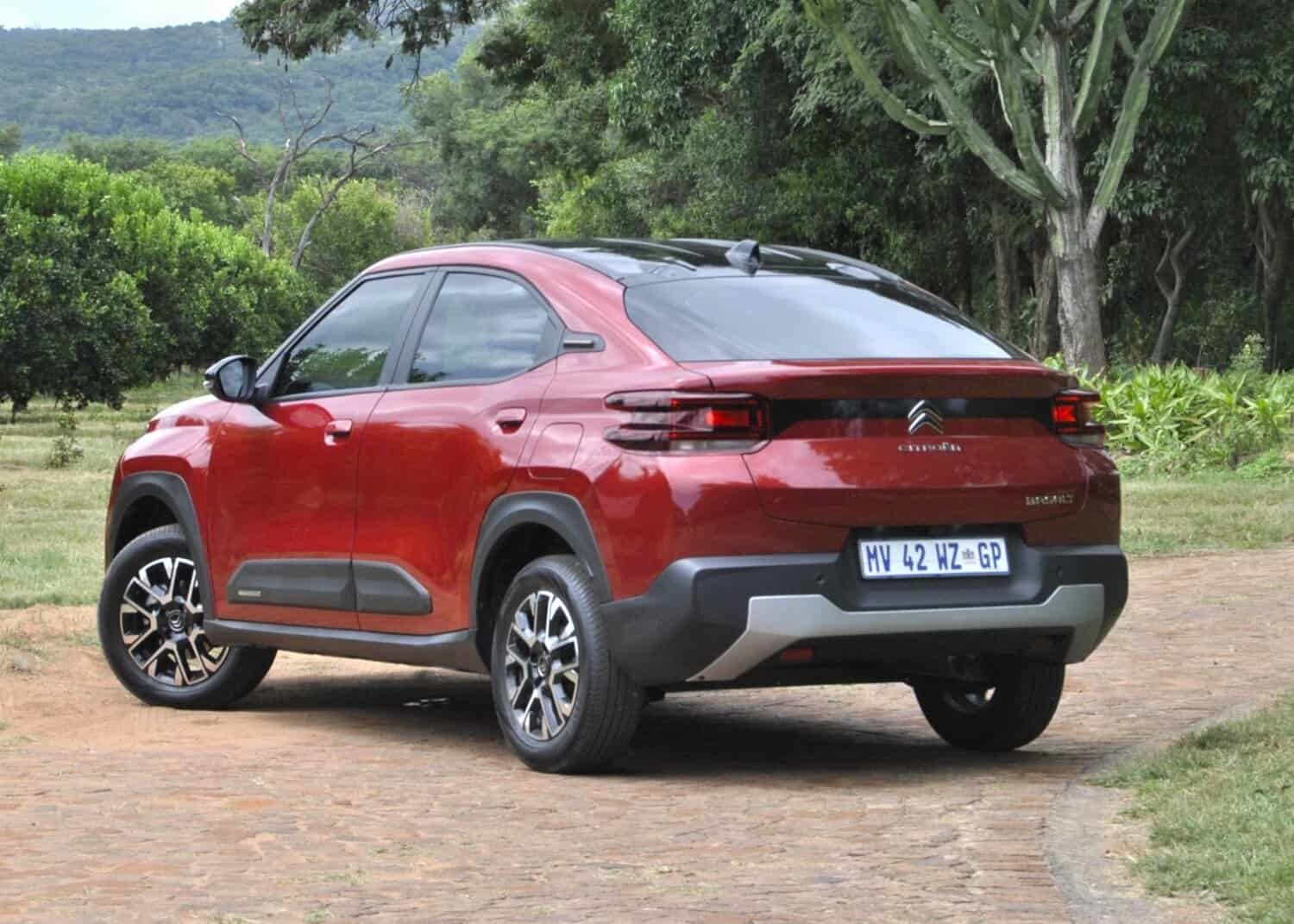
A concept first seen on the C5 X in Europe five years ago, the Basalt eschews the station wagon appearance for a fastback almost crossover-type sedan look.
The first non-commercial vehicle Citroën to have a proper name instead of a “C” initial since the Ami quadracycle, the Basalt is also a styling tribute to past models, the most prominent being the first generation C4 and C4 Cactus when viewed from the front.
Its official launch around the Cradle of Humankind and Hartbeesport this past week came a surprise despite a few pre-conceived thoughts.
Typical Citroën different
Using the same Smart Car platform as the C3 and C3 Aircross, and also the European C3, Fiat Grande Panda and Opel Frontera, the Basalt is typically Citroën different on first glance.
Whereas the familiar frontal design from the Aircross remains, the coupe-inspired sloping roof is the biggest talking point.
An aspect not everyone will appease to, the overall look is still distinctive, yet “cross-sedan” than a traditional crossover.
Colours and space
For South Africa, Citroën has settled upon two derivatives, Plus and Max, differentiated only by spec.
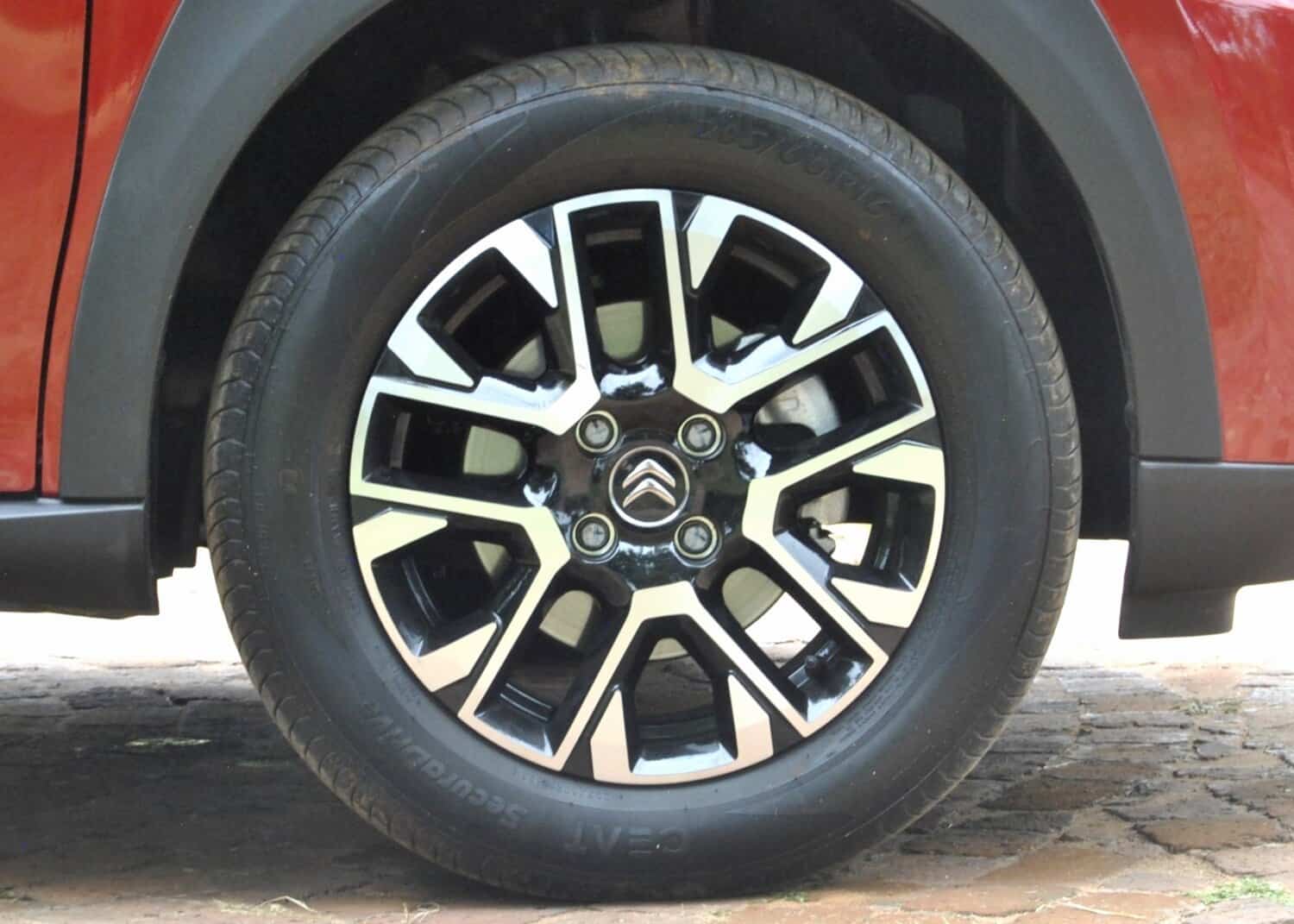
Both are furnished with 16-inch alloy wheels, LED headlights, wheel arch cladding, LED fog lamps and LED daytime running lights on the external front.
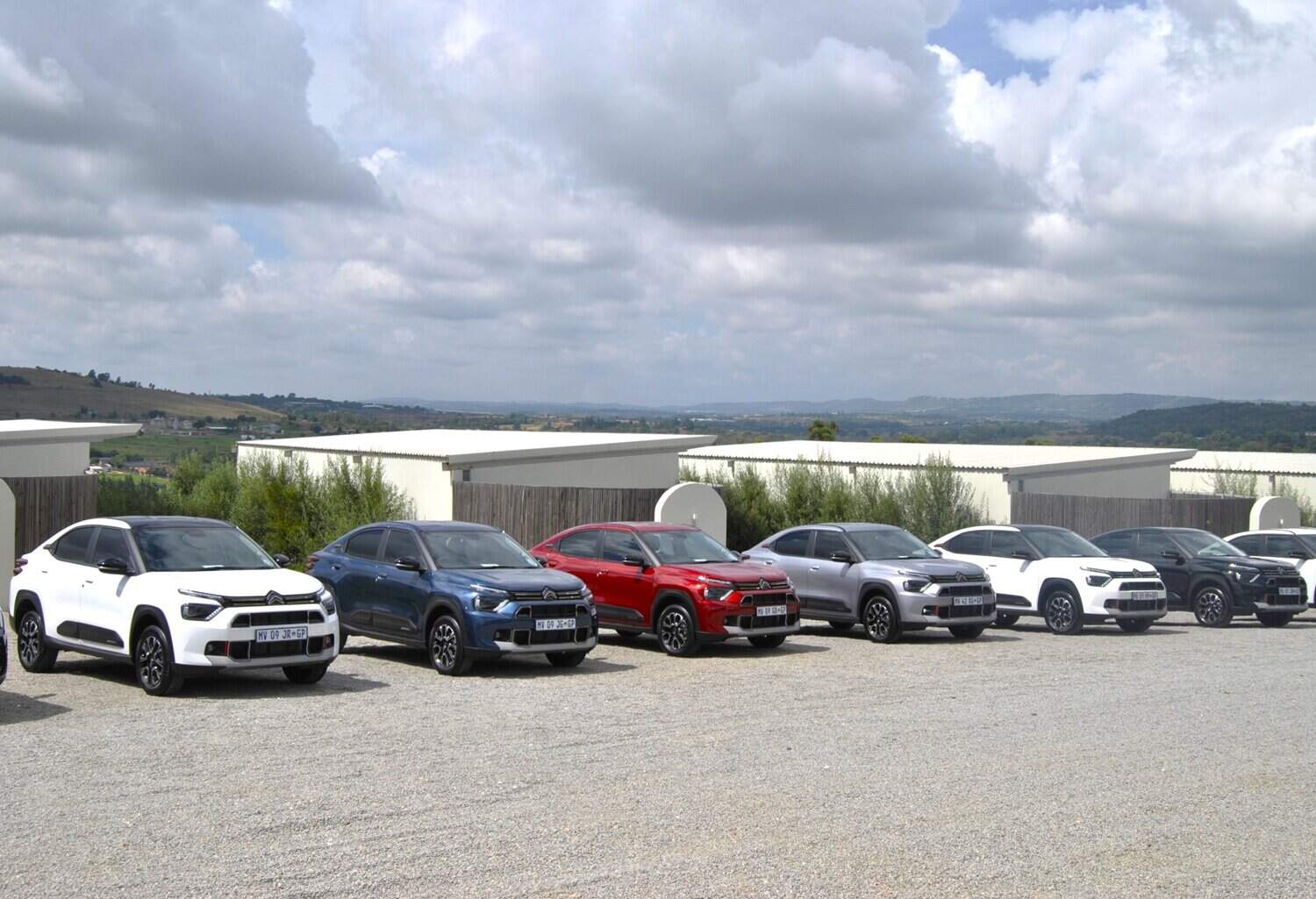
In terms of colours, five hues can be selected from; Polar White, Black Pearl, Steel Grey, Cosmo Blue and Garnet Red.
A no-cost option is the two-tone option in which a black roof contrasts the body colour across all shades.
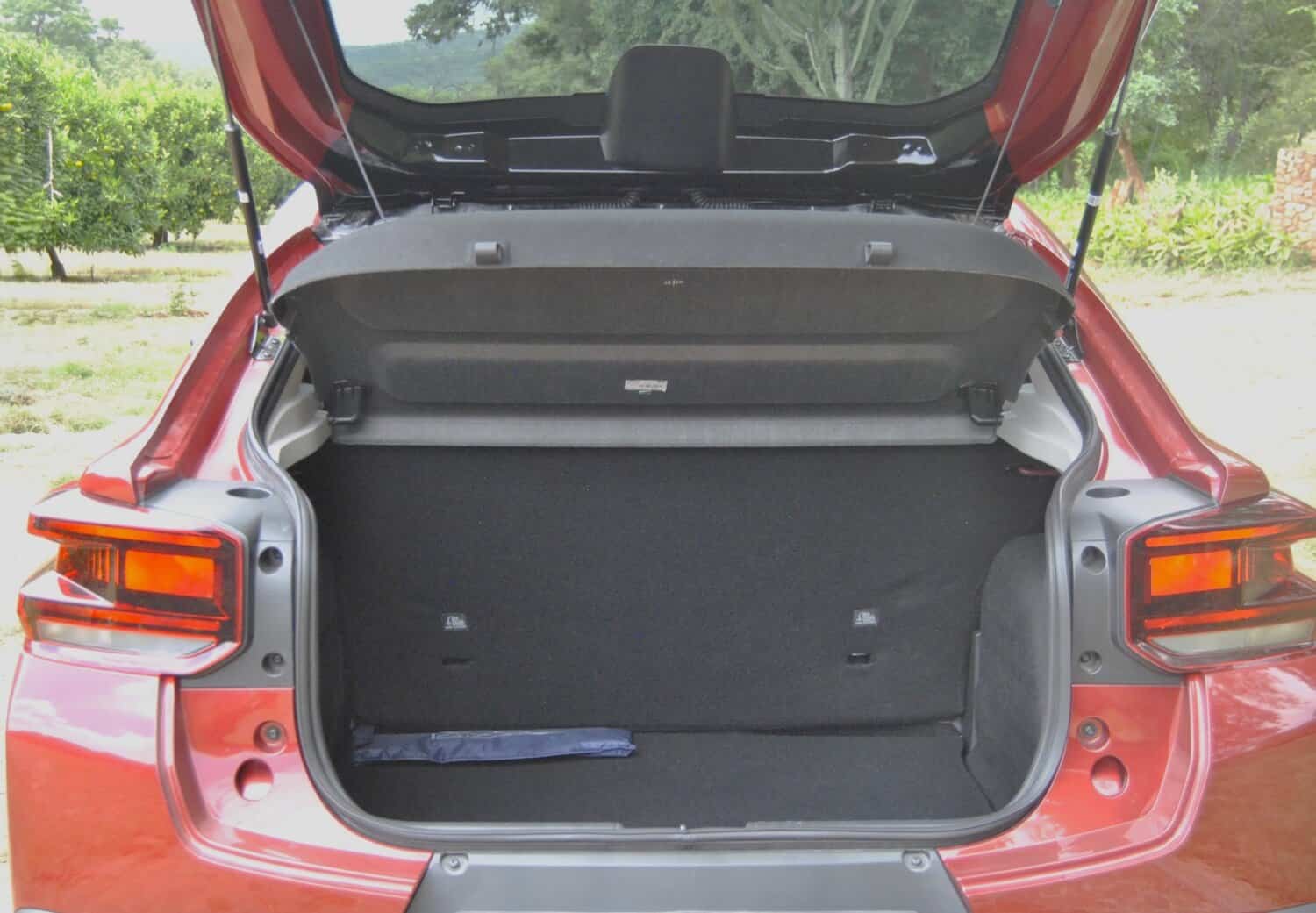
As for practicality, boot space is rated at 470-litres without the rear seats folded.
Familiar up front
Up front, the Basalt is equally familiar too as a single engine has been settled upon; the 1.2-litre three-cylinder PureTech turbocharged petrol outputting 81kW/205Nm.
For the foreseeable future, the unit is only matched to a six-speed automatic gearbox as no plans are currently in place to bring the six-speed manual available in India to South Africa.
Spec
In terms of spec, both the Plus and Max have the following as standard:
- folding electric mirrors;
- multi-function steering wheel;
- push-button start;
- keyless entry;
- automatic air-conditioning;
- two type-C USB ports;
- seven-inch digital instrument cluster;
- rear air-conditioning vents;
- front and rear armrests;
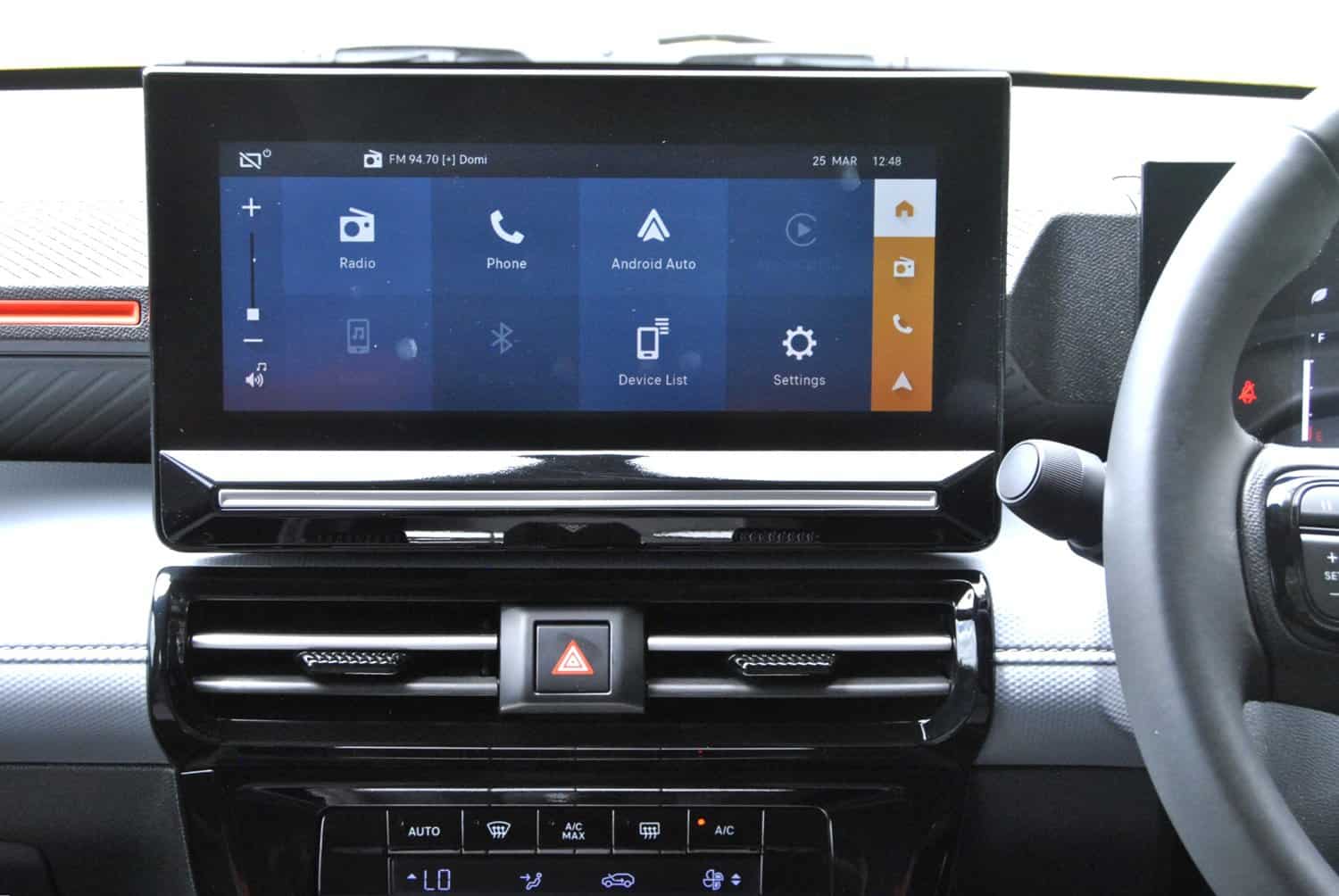
- 10-inch infotainment system;
- Apple CarPlay and Android Auto.
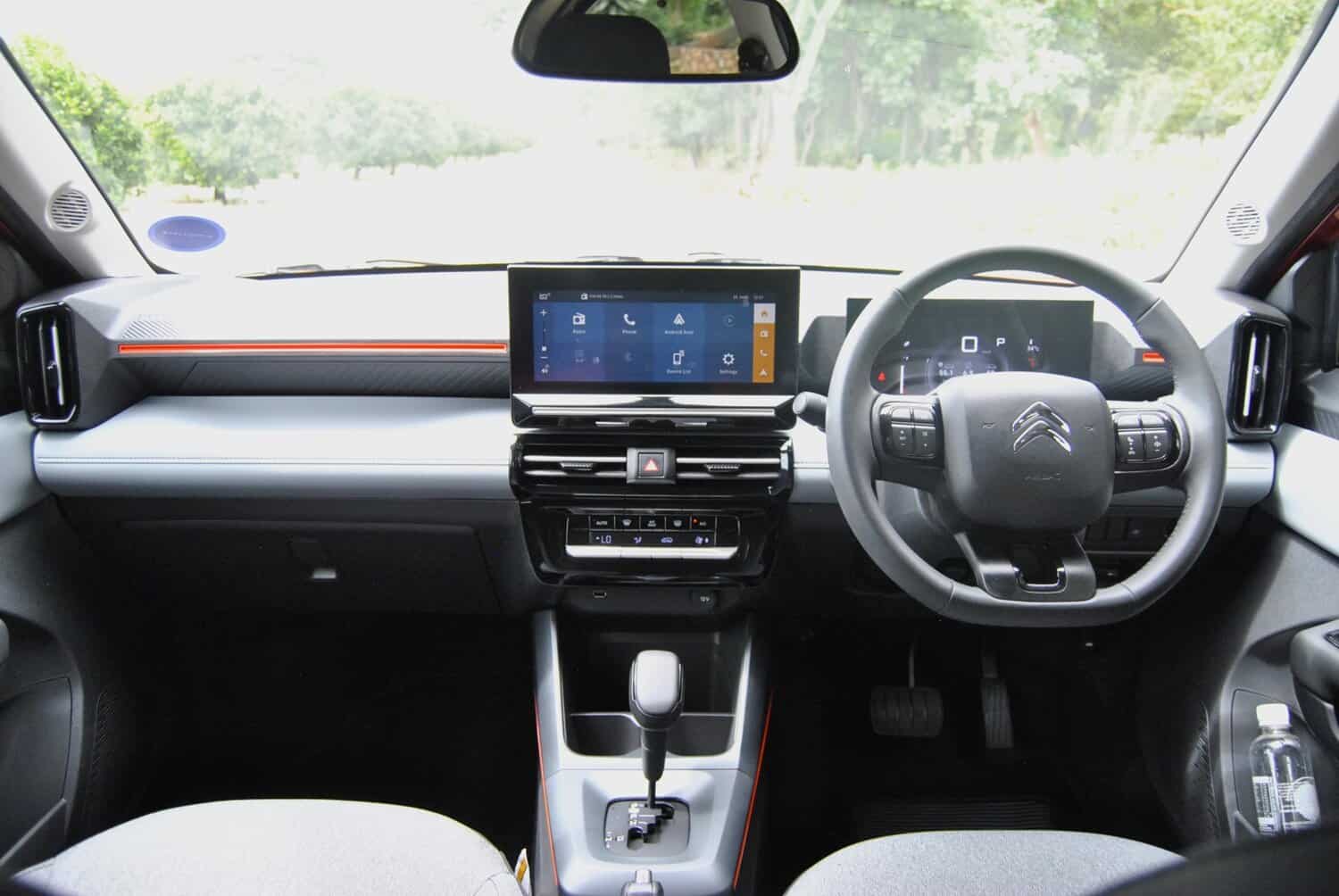
Added to the Max is a leather-wrapped steering wheel, a six-speaker sound system instead of the Plus’ four, and an electrochromic rear-view mirror.
Standard safety and driver assistance system across both include six airbags, a tyre pressure monitor, rear parking sensors, Electronic Stability Control and Hill Start Assist. Included on the Max is a reverse camera.
The drive
Out on the launch route, which only involved the Max, the Basalt’s immediate surprise is its interior.
Nowhere near as quirky as those of the DS or CX, the design is straightforward, neat and uncluttered.
Bucking the trend of touch-sensitive switchgear, all of the various function are still controlled by physical buttons and dials, with none of the traditional functions located within the infotainment system.
The cabin’s sound ergonomics are bolstered further by upmarket feeling materials, especially the fabric finishes on the dashboard and red accents.
In fact, the only gripe involved the same material on the doors feeling cheap and clunky.
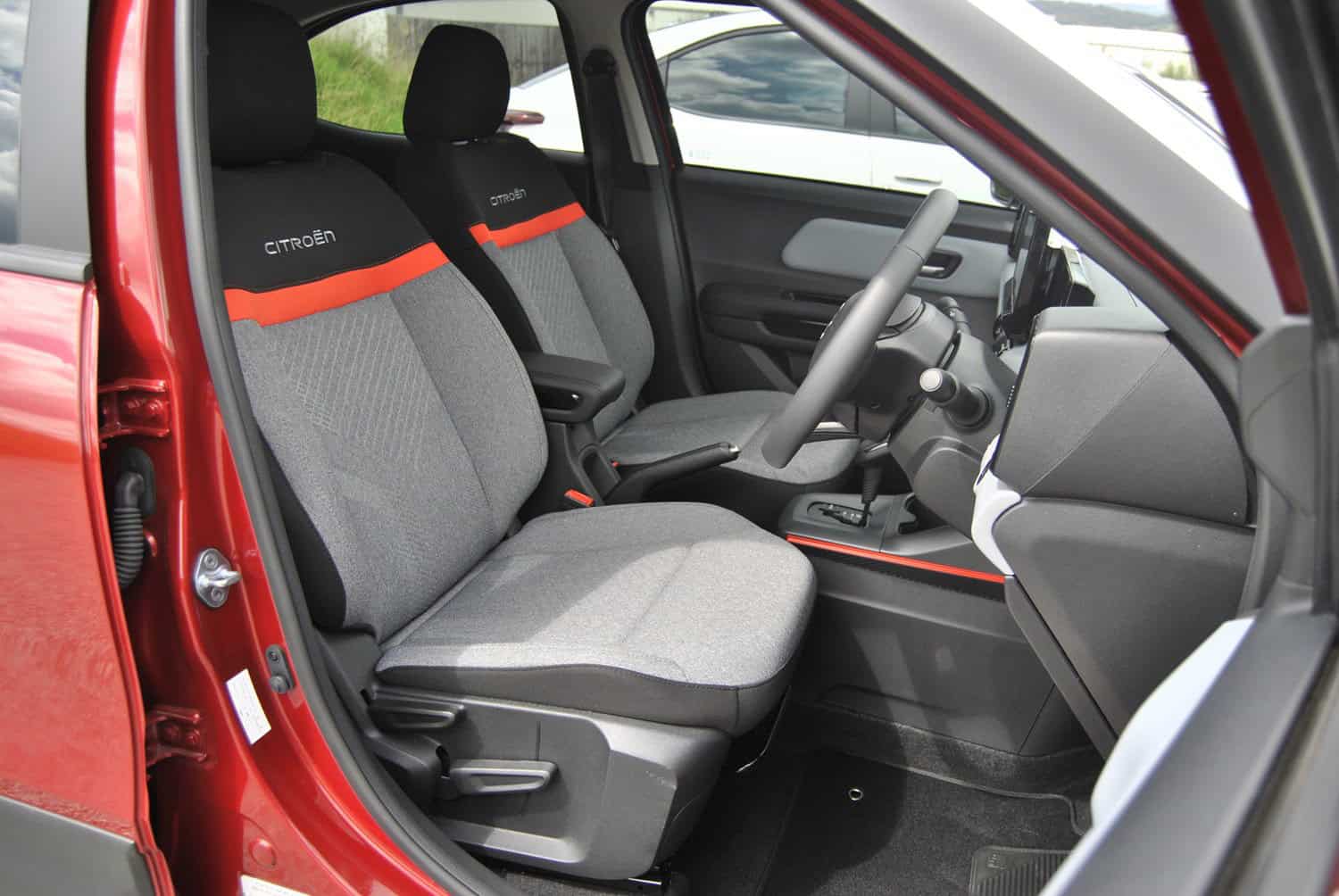
Aside from the comfort provided by seats finished in two-tone black and grey fabric with a red strip and Citroën embroidery work, the Basalt’s main highlight is its ride.
Despite its 180 mm ground clearance, the suspension is yet another past throwback of placing comfort above sportiness.
Using what Citroën calls progressive hydraulic cushions, the ride is extremely soft and comfortable, but unfazed by broken or imperfect surfaces.
Aside from the damping being akin to floating instead of driving, the Basalt’s steering is heavier than typically expected in this segment.
While no driving modes are offered, the weightier setup adds to the Basalt’s appeal as it provides good feedback not ordinarily associated with a vehicle of this kind.
As for the drivetrain, the combination of the turbocharged PureTech and auto ‘box makes for a recipe hard to beat.
Whereas the engine punches strong with a good low-down pull and responsive feel, the gearbox is just as slick and not found wanting on the move.
That being said, lower speeds show its Achillies Heel as its shift erratically, accompanied with a less than ideal almost dual-clutch-like drag when shifting from second to first.
Conclusion
Stellantis’ repositioning of Citroën as its “budget” brand, while likely to be viewed with some distain from certain quarters, can be seen as a masterstroke in re-writing its past reputation as a premium but also lacklustre marque only some gravitated towards.
Putting comfort and ease-of-use ahead of tech-laden opposition from China, the Basalt isn’t the value proposition that buys oodles of gadgets for very little.
Instead, it builds on established Citroën hallmarks without breaking the bank or being overly fussy.
As divisive as its aesthetic might be, the Basalt’s core focuses remain intact, and with its sub-R400 000 price tag in mind, makes for an impressive package not to ignore.
Price
Included across Basalt models is a five-year/100 000 km warranty and a four-year/60 000 km service plan.
- Basalt 1.2T Plus AT – R354 900
- Basalt 1.2T Max AT – R369 900
NOW READ: Citroën Basalt’s entry ticket to South Africa approved for 2026
About the Author