Religious leaders have released a draft self-regulatory framework for South Africa’s Christian sector, marking what they describe as a proactive response to escalating scandals, abuse and exploitation within churches across the country.
Speaking at a press briefing on Friday, the section 22 ad hoc committee for the Christian sector presented the framework as a voluntary initiative designed to restore integrity and accountability without compromising constitutional freedoms.
The committee comprises representatives from major Christian bodies, including the South African Council of Churches, Zion Christian Church, the Evangelical Alliance of South Africa, and various Nazareth Baptist Church groups.
The framework proposes establishing an independent Christian Practice Council for Ethics and Accountability to certify organisations that meet specified standards.
“This is not a framework for state control,” stated the committee.
“The Constitution of South Africa, in sections 15 and 31, guarantees our freedom of belief and practice. That freedom is sacred and non-negotiable. This is, instead, a framework for freedom with responsibility.”
Three pillars of accountability
The proposed framework rests on three foundational elements: internal governance and accountability, a code of ethical and professional conduct, and legal and regulatory compliance.
The envisioned council would comprise democratically elected leaders and experts, providing what officials described as a seal of good standing to help believers and donors make informed decisions.
Religious leaders emphasised that the document represents the beginning rather than the conclusion of dialogue.
Over the coming months, the committee plans extensive consultations with umbrella bodies, denominational leaders, traditional leaders, abuse survivors, legal experts and the general public.
“This draft that we are releasing today is not a final document. It is the beginning of a vital nationwide conversation,” the committee explained.
“We will listen as a committee. We will learn. And we will refine this framework together.”
ALSO READ: ‘Over our dead bodies’: Church leaders march against ‘state regulation’ of religion
Addressing exploitation and abuse
According to the committee, the framework directly confronts exploitative commercialisation of churches, where vulnerable populations, including the poor and those with disabilities, face exploitation under promises of healing and prosperity.
It also addresses cases where congregants are fed hazardous substances in the name of deliverance.
The committee elaborated on the urgency driving the initiative, citing the Omotoso case, where young girls testified about abuse but saw their case dismissed after eight years.
“There’s nobody who talks about these victims except CRL. The church is quiet because they’re perpetrators of abuses, and in most cases, happen to have deep pockets. They frustrate court processes.”
Officials stressed that self-regulation aims not to replace criminal law but to address gaps where legal processes prove insufficient. “There’s a fine line between criminality and really exploitation and commercialisation.”
The committee described scenarios where people spend their last money on blessed photographs that promise divine intervention.
Safe spaces for survivors
Recognising trauma experienced by abuse survivors, the chairperson of the committee announced plans for a parallel consultation process specifically for victims of gender-based violence in sacred spaces.
This process will operate largely behind closed doors to protect participants.
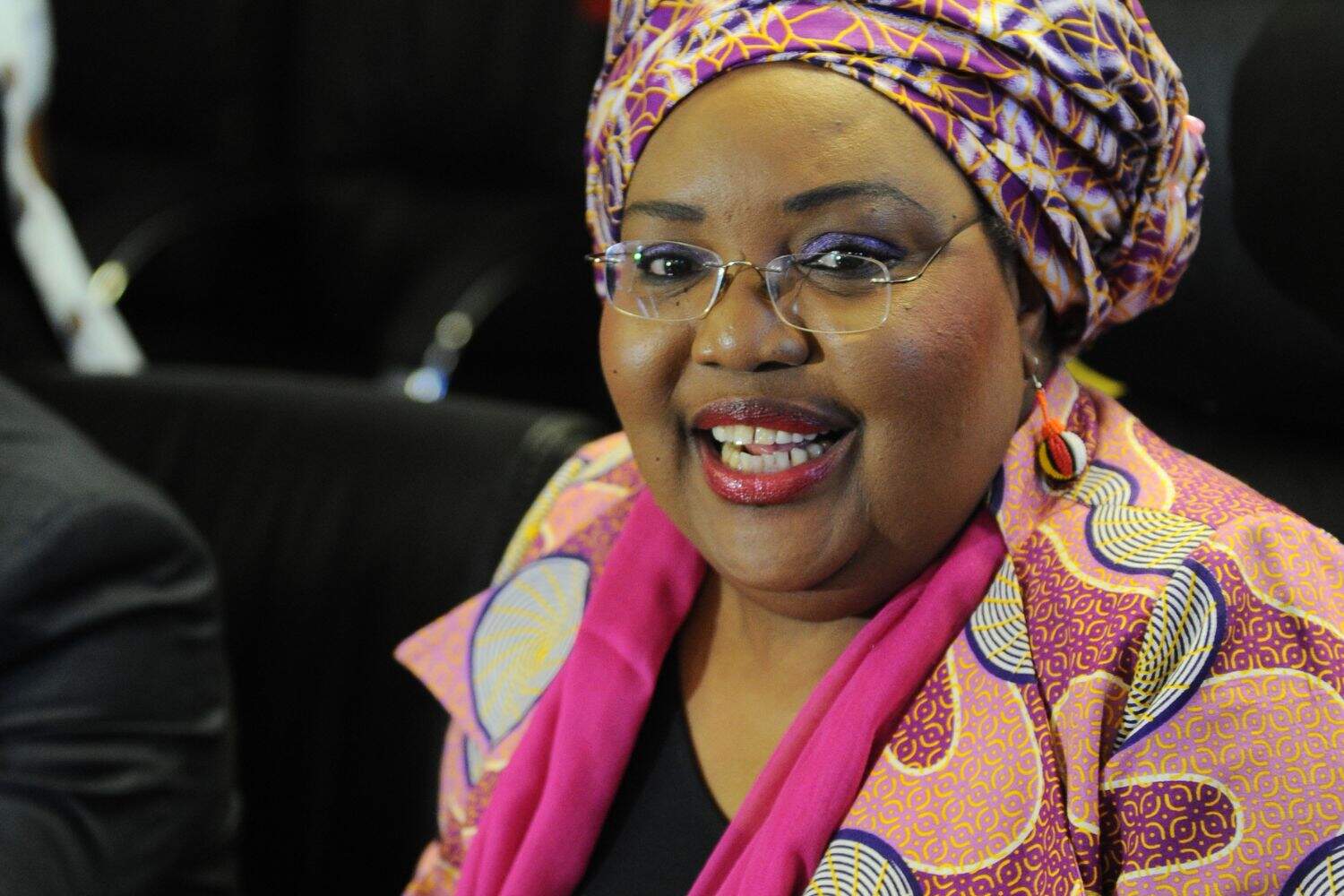
“We feel that the national disaster that has been declared is worse, actually, in sacred spaces,” Thoko Mkhwanazi-Xaluva stated, explaining that sacred spaces encompass churches and traditional health settings where beliefs are weaponised.
“Sacred spaces would be churches, be any religious setting, would include the traditional health spaces where your beliefs are used against you, and you’re told that your ancestors want you to sleep with me, where you are told that God said you must sleep with me.”
ALSO READ: St John Apostolic Church torn apart as leadership battle intensifies
Addressing pushback
The commission acknowledged significant opposition, particularly claims that the framework represents government overreach.
It firmly rejected such characterisations, emphasising their independence as a Chapter 9 institution initiative.
“We are voluntarily participating here as section 22. There’s no hand that is controlling us. We are credible people. We are theologians. Some are lawyers,” the commission stated.
It questioned critics who issue statements condemning abuse but avoid direct engagement with victims.
“What have you ever done for the victims of these churches when you say there are enough lost? It’s because they don’t even know what the challenges are. We know. Hence, we’re saying we’re creating a safe space for victims of GBV [gender-based violence] in sacred spaces because we know their pain.”
Timeline and enforcement
Mkhwanazi-Xaluva outlined consultations beginning in January 2025, which will engage umbrella bodies, denominational leaders, traditional leaders, and individual pastors.
While participation in consultations is voluntary, she clarified that ultimate compliance would be mandatory for church operation.
“The voluntary part is about participating in the section 22. The ultimate aim will have to be, if you want to operate in this country as a church.” Mkhwanazi-Xaluva explained. “It’s not going to be optional at the end of the day.”
The chairperson distinguished between large churches with existing accountability structures and smaller independent operations. “If I start Mkhwanazi-Xaluva church, I’ll be running on my own. It’s my church, it’s my tent, it’s my chairs, it’s my sound system. I’m outside any framework. That’s where the problems start.”
Following nationwide consultations, the committee will prepare a report for presentation to the relevant portfolio committee, ideally leading to the establishment of the permanent Christian Sector Council for Ethics and Accountability.
The committee described their work as responding to pain while expressing love for the gospel.
“We believe the South African church is poised for a new chapter, a chapter defined not by scandal but by sacred trust, not by division but by common commitment to integrity.”
READ NEXT: Husband sentenced for shooting wife in church before congregation
About the Author