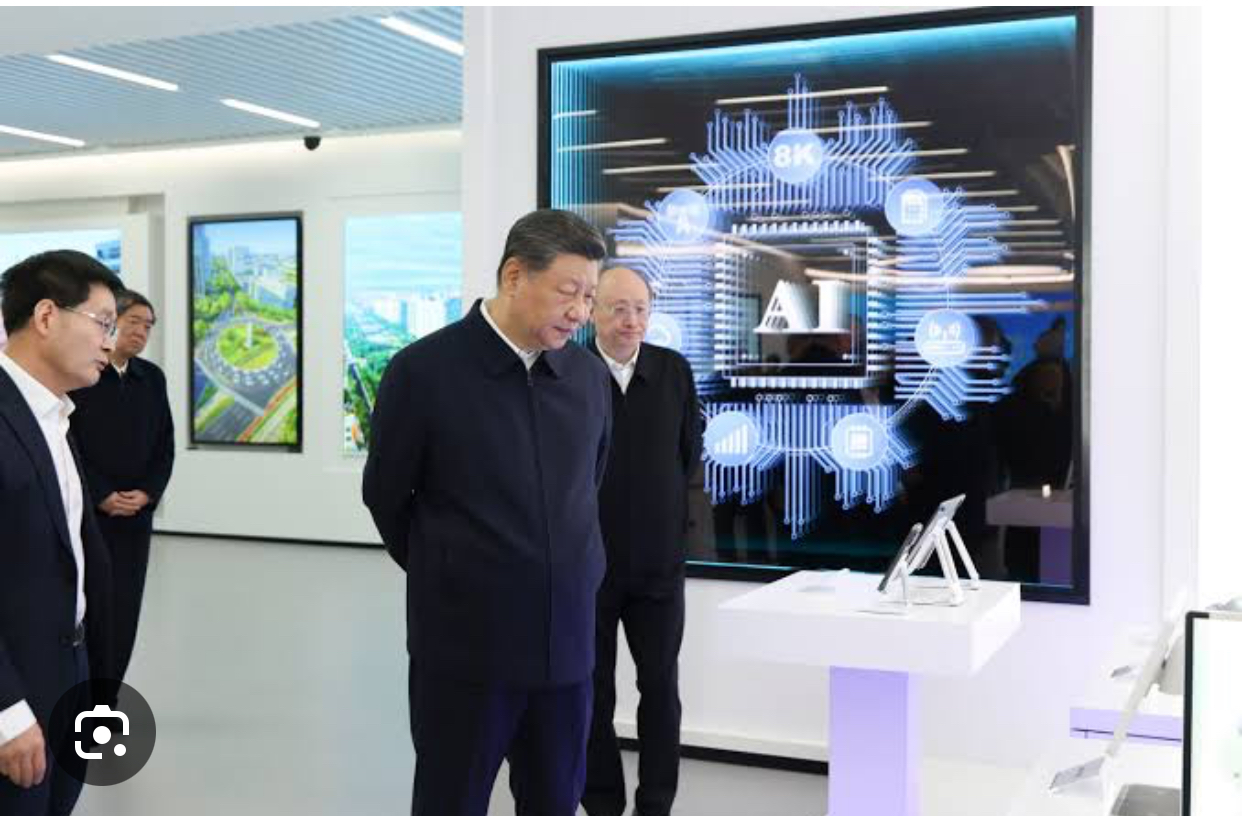
Foreign experts have observed that China is entering a new stage of technological development, shifting from rapid imitation and catch-up strategies to a more structured model centered on long-term innovation and coordinated growth.
According to analysis referenced in Science and Technology Daily, the country’s approach is increasingly described as “systematic innovation”, with greater emphasis on integrated regional development. Key economic zones such as the Beijing-Tianjin-Hebei region and the Yangtze River Delta are being developed as interconnected innovation clusters rather than isolated hubs.
Experts also pointed to reforms in governance and regulatory clarity, noting that a rules-based framework has improved predictability for international scientific cooperation. One researcher cited in the report said the transition away from discretionary practices has strengthened confidence in engaging in long-term global research partnerships.
Looking ahead, China’s forthcoming development blueprint for 2026–2030 is expected to prioritise advancements in clean energy systems and circular economy models.
Analysts say the plan will further expand collaboration, encourage greater international exchange of ideas and technology, and elevate the role of Chinese institutions in global standard-setting discussions.
Observers added that the direction of the new policy framework reflects an effort to balance domestic innovation capacity with broader global engagement, positioning the country’s development strategy within wider sustainability and technology trends worldwide.
About the Author