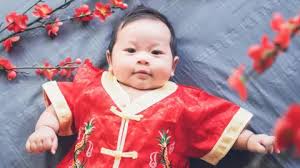
In a bid to reverse its shrinking population, China has implemented a 13 per cent tax on contraceptives, including condoms and contraceptive drugs, after more than 30 years of exemptions. The new tax, which took effect on January 1, ends decades-long relief on these products and forms part of broader government efforts to encourage childbirth.
China has struggled with a declining birth rate, with its population decreasing for three consecutive years since 2024. The demographic trend has raised concerns about the long-term impact on the country’s labour force and economic growth, prompting authorities to introduce measures to stimulate population growth.
To support families, the government has allocated 90 billion yuan ($12.7 billion) for a childcare subsidy programme and is providing 3,600 yuan annually for each child under the age of three in 2025. Additionally, national health insurance will cover childbirth-related expenses, reducing the financial burden on parents.
The move follows decades of strict population control policies, including the one-child policy enforced from 1980 to 2015, and reflects China’s urgent focus on reversing demographic decline while sustaining its economy.
Officials say the combination of financial incentives, insurance support, and now the removal of tax breaks on contraceptives is intended to encourage couples to have more children and help stabilize the nation’s population trajectory.
About the Author