Beijing and Moscow are aligning positions on Middle East tensions as China urges a ceasefire and renewed diplomatic efforts over the Strait of Hormuz crisis.
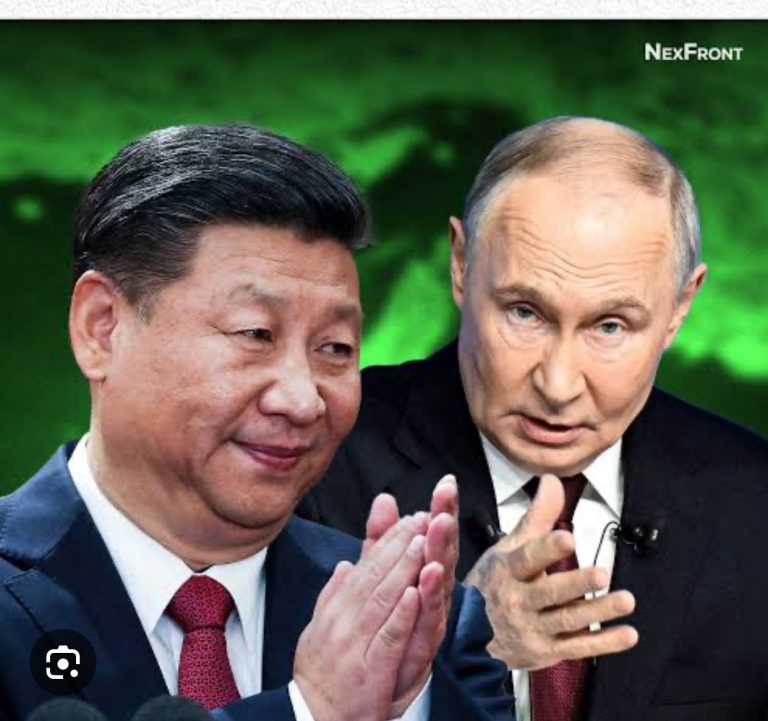
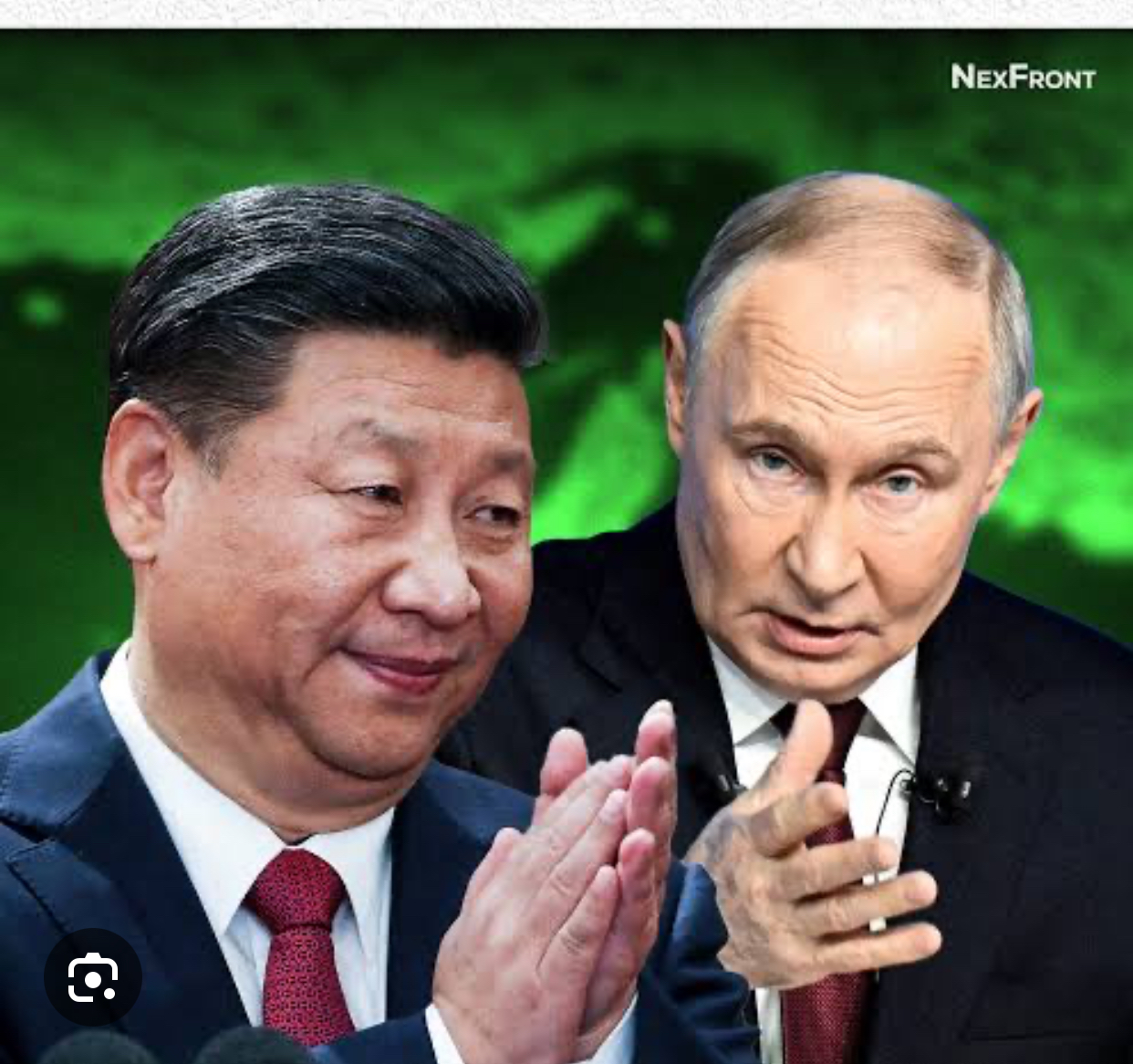
China has said it is willing to continue cooperating with Russia at the United Nations Security Council (UNSC) and work toward de-escalating tensions in the Middle East, according to Foreign Minister Wang Yi.
Wang made the remarks during a phone conversation with his Russian counterpart, Sergei Lavrov on Sunday, where both sides discussed ongoing geopolitical tensions and maritime security concerns in the Gulf region.
According to Wang, the most effective way to address disruptions in the Strait of Hormuz is an immediate ceasefire, stressing that China consistently supports resolving international crises through dialogue and political negotiation rather than force.
The discussion comes ahead of a scheduled UN Security Council vote next week on a Bahraini-sponsored resolution aimed at safeguarding commercial shipping in and around the strategic waterway.
Wang urged both China and Russia, as permanent members of the UNSC, to adopt a balanced and objective approach that promotes broader international consensus and stability.
A statement from Russia’s Foreign Ministry said both ministers agreed on the need for a swift ceasefire and the launch of political and diplomatic negotiations to resolve the crisis.
It also noted shared positions between Moscow and Beijing on key global issues, including the situation in Iran, which it described in the context of tensions involving the United States and Israel.
China has consistently called for an immediate ceasefire in the Gulf region, urging an end to hostilities that have persisted for over a month and significantly disrupted shipping through the Strait of Hormuz, a vital global energy route.