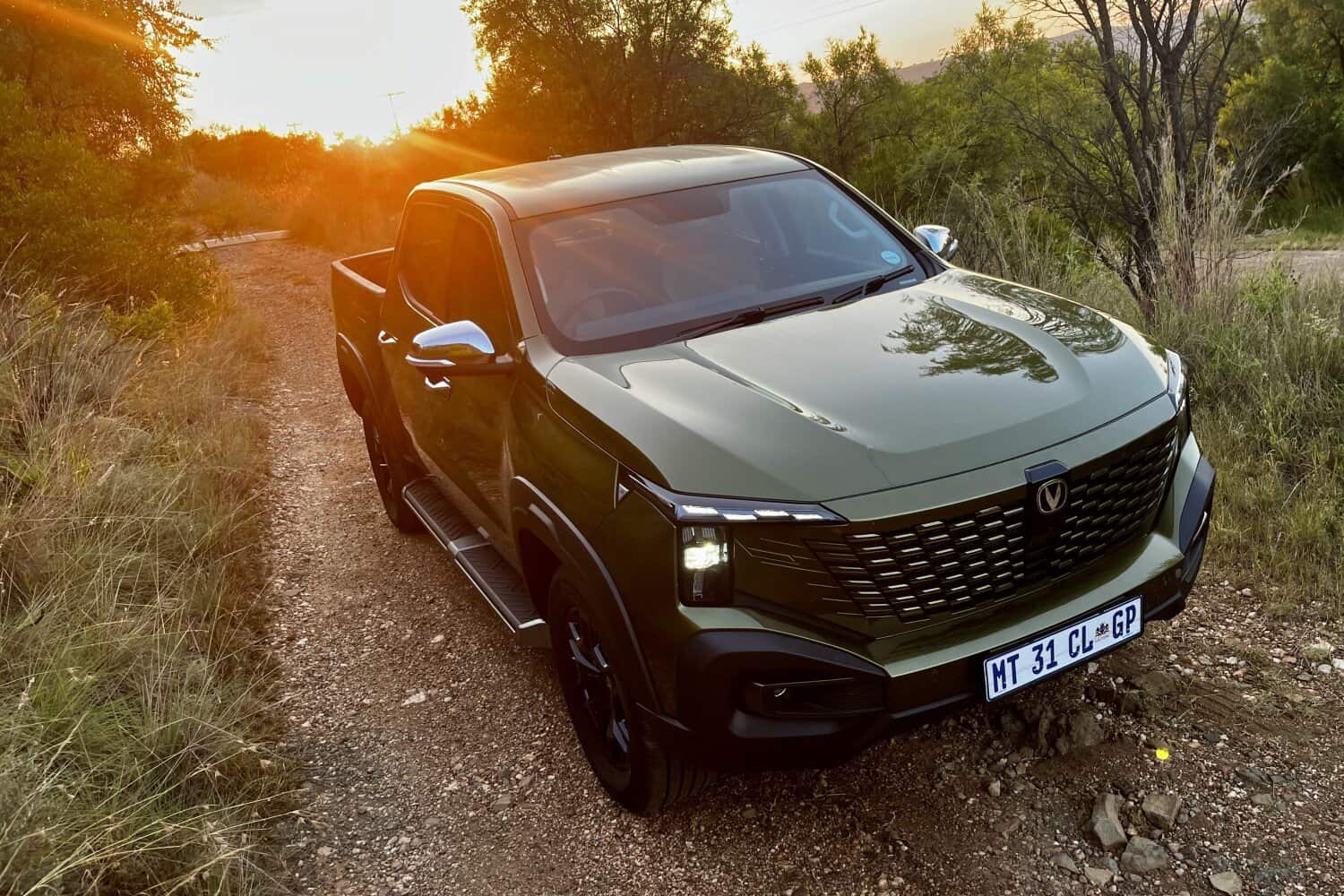
I was looking forward to my first drive in Changan’s Hunter K50 REEV. Mostly because it would be my first time being exposed to a Range Extended Electric Vehicle, and the technology the bakkie is bringing to the market. A market still heavily dominated by traditional turbodiesel offerings.
And after a week of driving the Changan Hunter, I must be honest, I have come away from the experience with more questions than answers. Is REEV more gimmick than real world solution?
What is REEV?
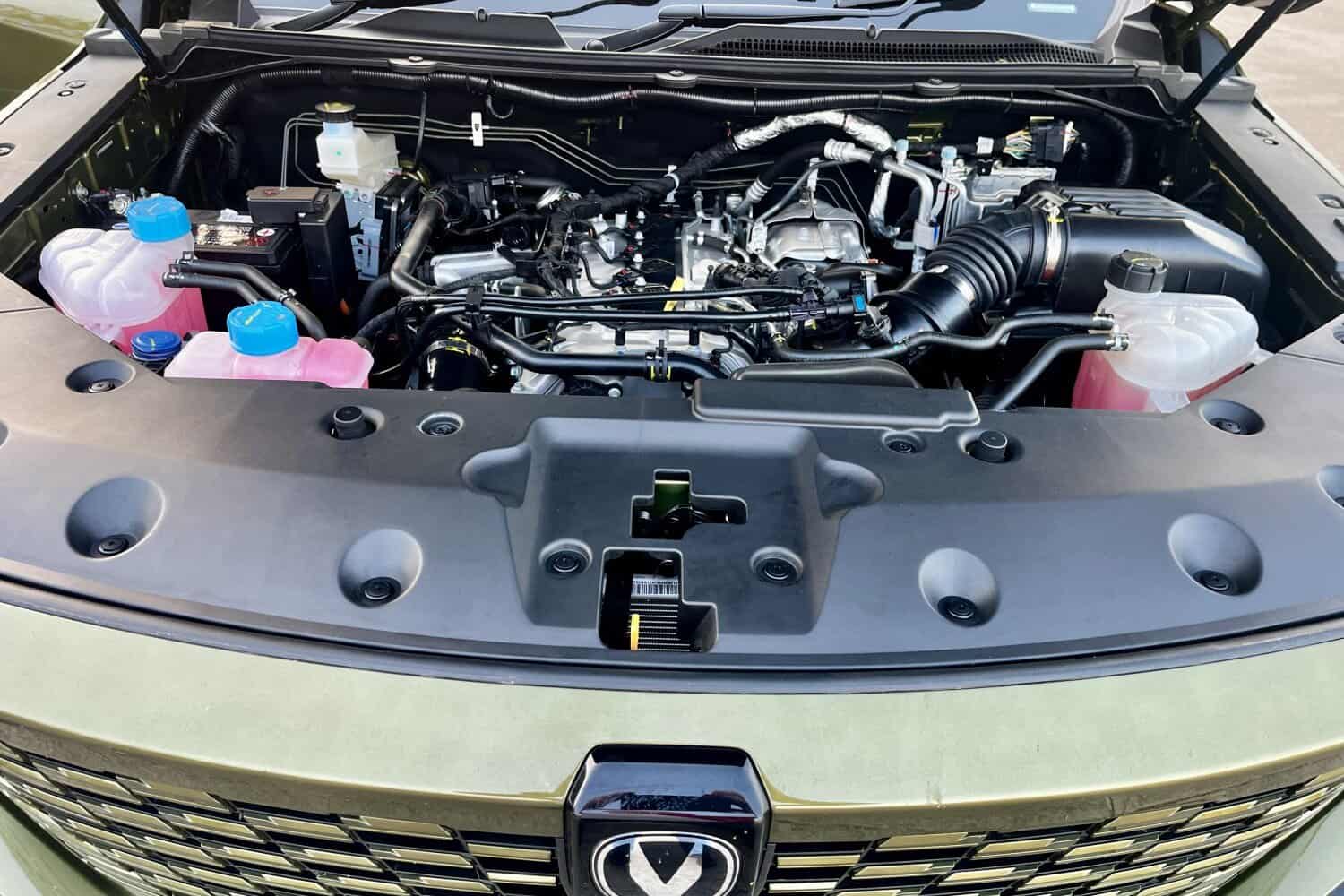
In the simplest of layman’s terms I can think of, REEV means that you have a traditional internal combustion engine (ICE) sitting under the hood. In this case, a 2.0-litre turbo petrol four-cylinder. But this engine is not connected to the drivetrain of the vehicle in any way. It cannot, and does not, drive the wheels.
ALSO READ: BYD Shark bakkie lacks stamina for all-day Raptor hunting
Despite producing 140kW of power and 340Nm of torque of its own in this case, the turbo petrol engine is only there to charge the 31.2kWh battery pack that drives the electric motors on the front and rear axle of the bakkie. And here is my first disconnect. Why do you need such a high-tech, high-power turbo engine to charge a battery if it does nothing but charge a battery?
Surely, a less complicated, less expensive engine, like a 1.0-litre naturally aspirated unit, would be fine for charging? Come service time (out of plan), you are also going to be paying a fair whack to keep this combustion engine and all its moving parts maintained.
Battery electric versus turbodiesel
Then there is the issue of fuel consumption and CO2 emissions. Burning fuel through a turbo to charge a battery must be one of the most expensive ways to do so. If you have access to an engine and its power, and pay for it to use fuel, why not use it for the extra performance and no range anxiety like BYD does with their Shark?
If you believe producing electricity is clean, and you want to claim you are promoting a sustainable future, then why not just go full battery electric vehicle (BEV) that is charged by electricity? And if range anxiety is your main fear, then why not buy a good old-fashioned turbodiesel and be done with all the ‘what charges what and how’ stuff that might keep you up at night.
I don’t really get the point of REEV. But with this now said, how did the Changan Hunter K50 REEV perform when tested?
This bakkie is fast
With a quoted 200kW/470Nm of battery electric surge, you can expect the bakkie to be quick. And it is. But this is again not without quirks. In one of the main menus, you can configure how the bakkie must prioritise its power usage and charging source.
The BYD Shark is the current king of the time sheets, and it stays that way. But in swapping between the different modes changes the Changan Hunter from almost Ford Ranger Raptor quick to only Toyota Hilux GR-S fast. This is a swing of almost 3 seconds, and in road testing terms, this is massive.
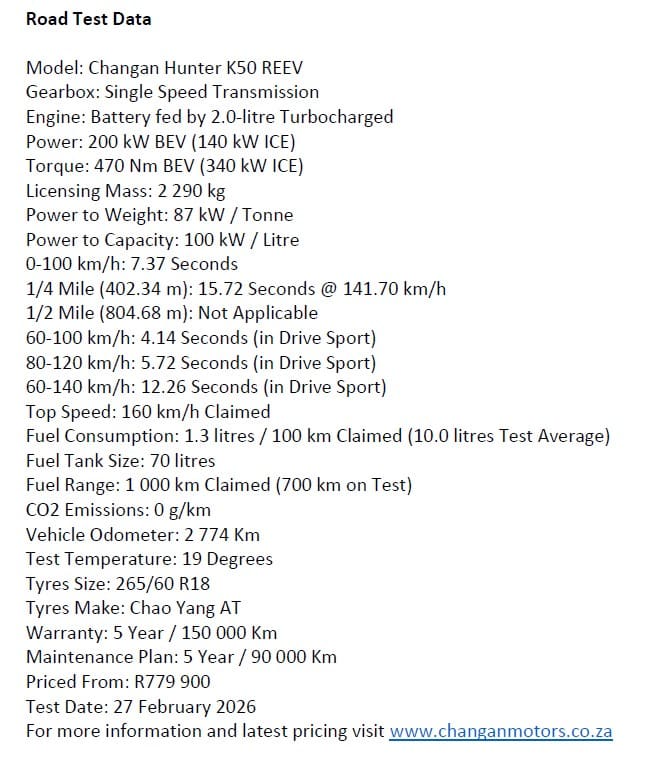
‘One Key Injection Force’ mode increases the engine’s idle speed and seemingly unleashes all the battery power on tap as 0-100km/h like this only takes 7.37 seconds. Using ‘Auto’ and letting the bakkie decide what it wants to do results in a slower 8.63-second run, and choosing ‘Forced EV’ makes things even worse, with a best time of 10.15-seconds.
No matter what mode chosen, the top speed of the Changan Hunter stops at 160km/h, indicated before the bakkie gets to 800m. So, in terms of performance, it is right up there with the big boys, but you better make sure you have the right configuration settings going on before embarking on any street racing adventures. Again, I felt life didn’t have to be this complicated.
Pure EV driving on offer
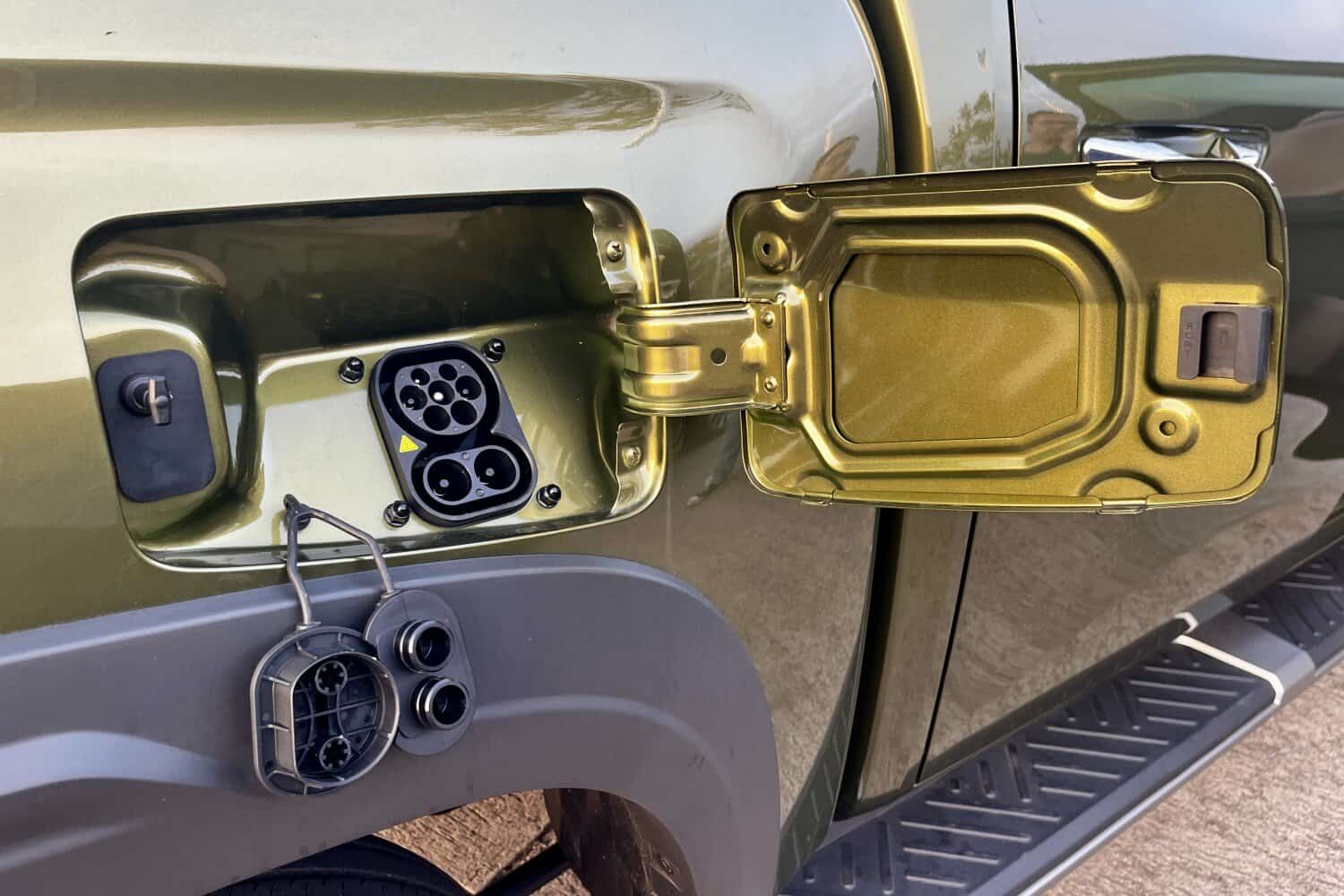
Staying on the street, the Changan Hunter offers up 133km of pure EV driving when the battery is fully charged. And after all the talk of petrol engines being overkill, you can still charge the bakkie from home or at a public quick charger and not burn any fuel if you want.
Changan claim a range of up to 1000km on a 70-litre tank of fuel, but the reality is that I had to put an extra 300km of electricity range into the bakkie to reach that number. Leaving me with an overall fuel consumption of 10 litres per 100km.
Which is not bad for the performance on tap, but it could be half that with a smaller-capacity engine. And then I would say the numbers are excellent, and REEV would make more sense to me. Obviously, if you are not travelling beyond that 133km mark every day, and you charge the bakkie when it is standing at night, you will use way less fuel to travel around.
ALSO READ: Changan’s most affordable car on offer in South Africa, the Alsvin
REEV might be for you
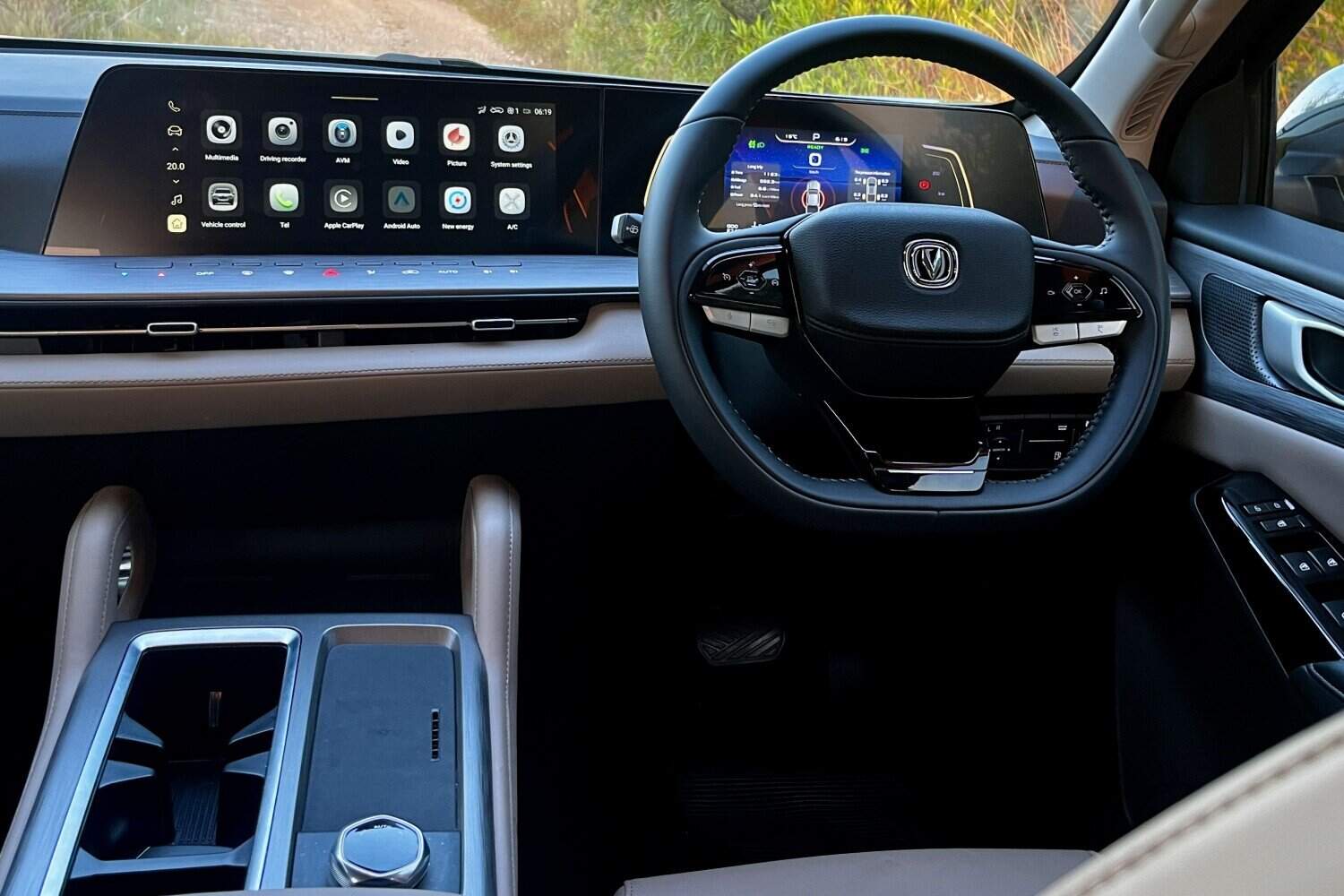
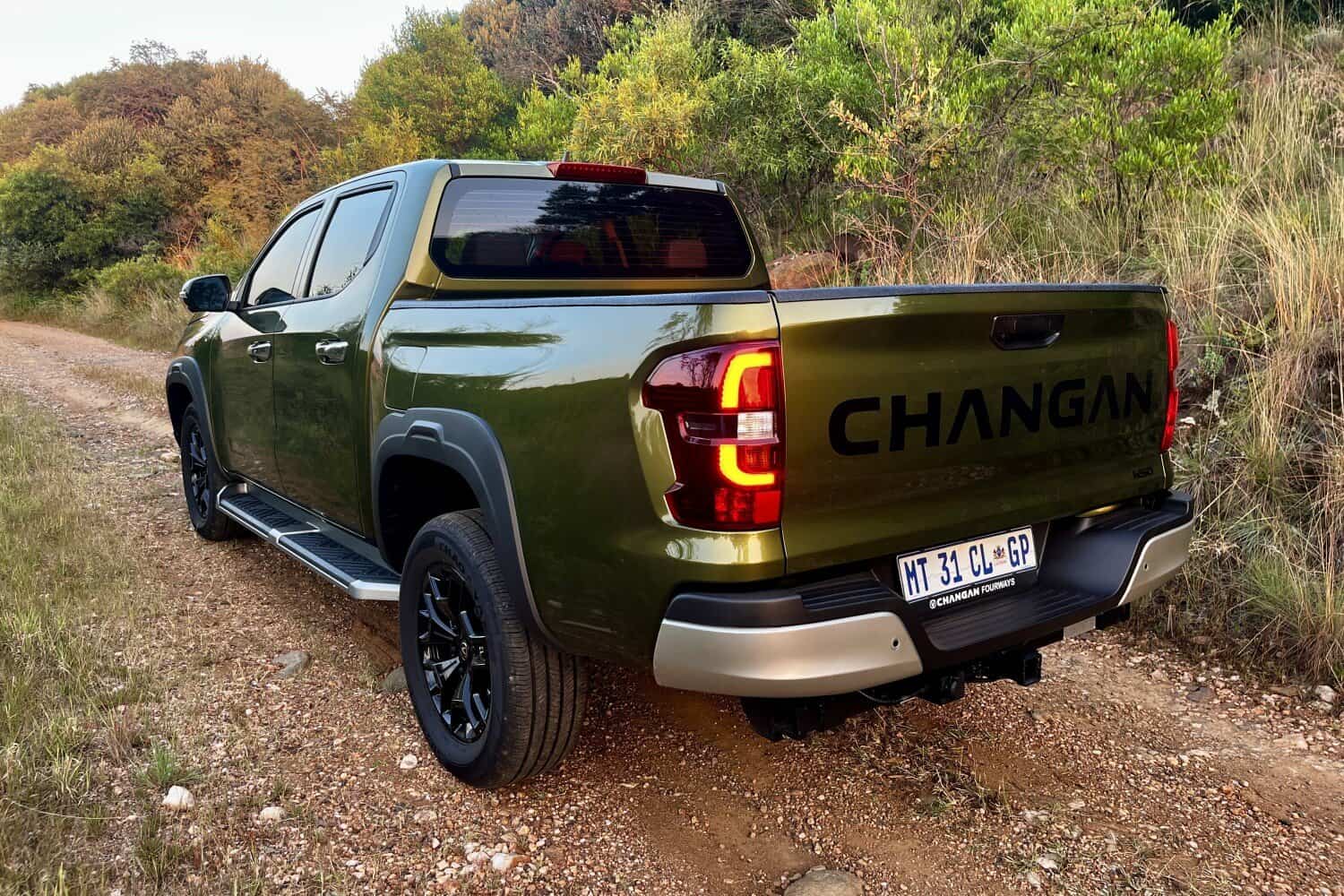
If you can get your head around why you need so many moving parts and options to charge a battery, then REEV just might be for you. The Changan Hunter K50 REEV is a good-looking machine that attracted a lot of attention while I had it. The interior is also good, with a decent amount of tech on board. And I thought the ride was pretty good too.
Pricing
- Hunter K50 REEV – R779 900
This includes a five-year / 150 000km warranty and a five-year/90 000km maintenance plan.
About the Author