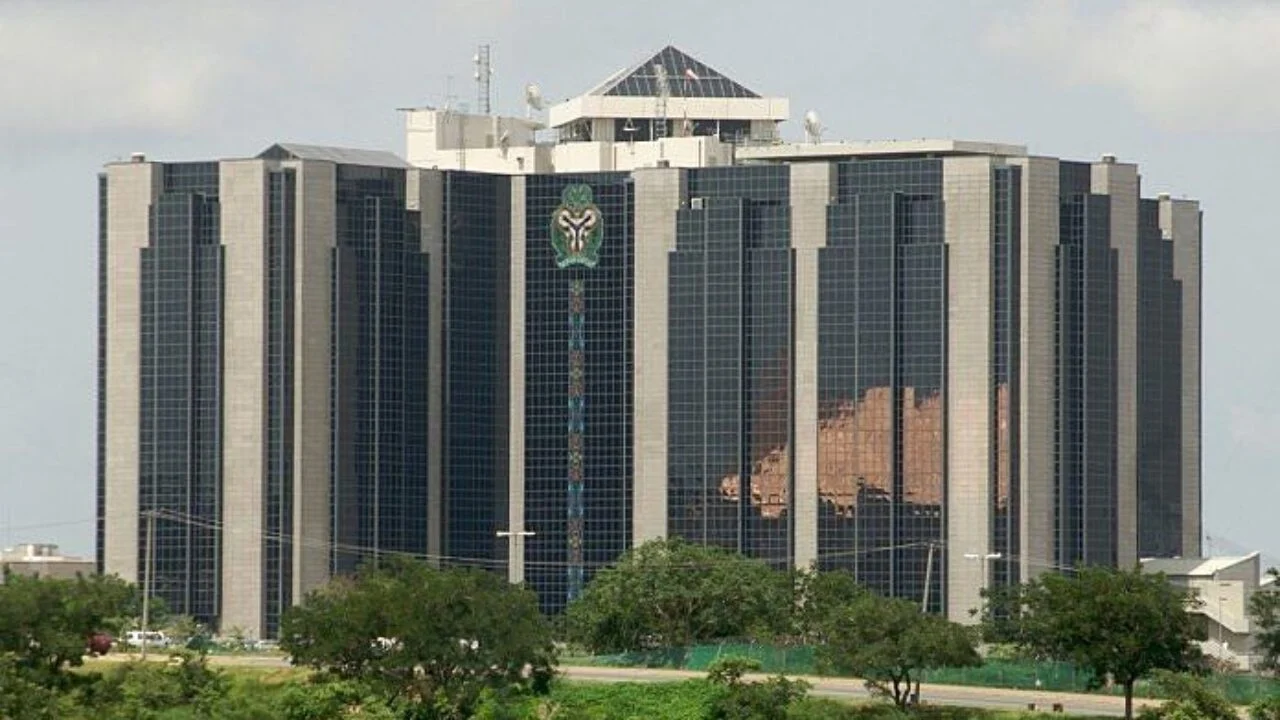
Nigeria sets global pace in financial crime detection as new framework targets institutions and executives over system failures…..
The Central Bank of Nigeria has rolled out a sweeping new regulatory framework that could redefine how financial crime is detected and managed across the country’s banking and payments ecosystem.
At first glance, the 25-page guideline titled Baseline Standards for Automated Anti-Money Laundering (AML), Combating the Financing of Terrorism (CFT) and Countering Proliferation Financing (CPF) Solutions reads like technical compliance documentation. In reality, it signals one of the most consequential regulatory shifts in Nigeria’s financial sector in recent years.
A Compliance Deadline with Real Consequences
Under the new rules, Deposit Money Banks have 18 months to fully comply, while other financial institutions are given 24 months.
All regulated entities including banks, fintechs, mobile money operators, and payment service providers must submit implementation roadmaps to the CBN by June 10, 2026.
But this is not a routine box-ticking exercise.
The framework introduces strict, measurable standards for how institutions must detect, investigate, and report financial crime backed by enforcement provisions that extend beyond institutions to individual executives.
Nigeria Moves Ahead of Global Peers
In a notable development, Nigeria’s new framework places it ahead of several advanced economies in regulating the use of artificial intelligence in financial compliance.
In the United States, for instance, the Financial Crimes Enforcement Network is still working to translate the Anti-Money Laundering Act of 2020 into operational rules, with key reforms yet to be finalised.
Similarly, Europe’s AML overhaul anchored by the Anti-Money Laundering Authority will not fully take effect until 2027, while regulators continue to grapple with uneven adoption of AI tools.
By contrast, the CBN framework provides detailed, binding requirements on how AI and machine learning can be deployed moving beyond guidance to enforceable standards.
What the New Rules Demand
The framework spans 12 critical areas of compliance, including:
- Customer identification and verification
- Risk profiling and sanctions screening
- Transaction monitoring and fraud detection
- Regulatory reporting and audit governance
- Data security and system integration
At its core is a clear directive: financial institutions must assess transactions within the full context of a customer’s profile.
This means systems that operate in isolation without integration with KYC (Know Your Customer) and risk data will no longer be considered compliant.
AI Allowed But Strictly Controlled
The CBN has endorsed the use of artificial intelligence for functions such as anomaly detection, behavioural analysis, and dynamic risk scoring.
However, its use comes with strict conditions:
- Mandatory human oversight and explainability
- Independent annual validation of models
- Monitoring for bias, accuracy, and performance drift
- Compliance with international AI governance standards
In short, institutions are free to deploy advanced technology but must prove it works, and works fairly.
Two provisions stand out for their impact:
- A ban on transaction monitoring systems that lack customer context, targeting ineffective legacy compliance tools
- A structured framework allowing automated closure of low-risk alerts under strict limits and board-level oversight
These measures aim to eliminate superficial compliance practices and replace them with systems capable of real risk detection.
Accountability Reaches the Top
Perhaps the most far-reaching aspect of the framework is its emphasis on personal responsibility.
Under the rules, failures in compliance systems could trigger sanctions not only on institutions but also on specific individuals including senior management and board members.
Enforcement will be carried out under existing laws such as the Banks and Other Financial Institutions Act and anti-money laundering regulations.
The message is clear: having a system in place is no longer enough institutions must demonstrate that it is effective.
The new standards build on Nigeria’s recent removal from the Financial Action Task Force grey list in 2025, a milestone achieved through coordinated reforms involving the CBN and other key agencies.
The latest move signals a continuation of that reform trajectory, aimed at strengthening financial system integrity and boosting investor confidence.
What Comes Next
For Nigeria’s financial institutions, the clock is already ticking.
The immediate task is to develop credible implementation plans ahead of the June deadline. Beyond that lies a more complex challenge: overhauling systems, governance structures, and internal controls to meet the new standards.
With regulators shifting focus from policy to enforcement, the era of passive compliance is ending.
What replaces it will determine not just regulatory outcomes but the credibility of Nigeria’s financial system on the global stage.