Cardoso outlines consolidation phase as FG targets faster growth, warns of global and domestic risks….
The Central Bank of Nigeria has rolled out an ambitious 2026 monetary policy roadmap aimed at bringing inflation down to single digits, stabilising the naira, and strengthening the country’s financial system.
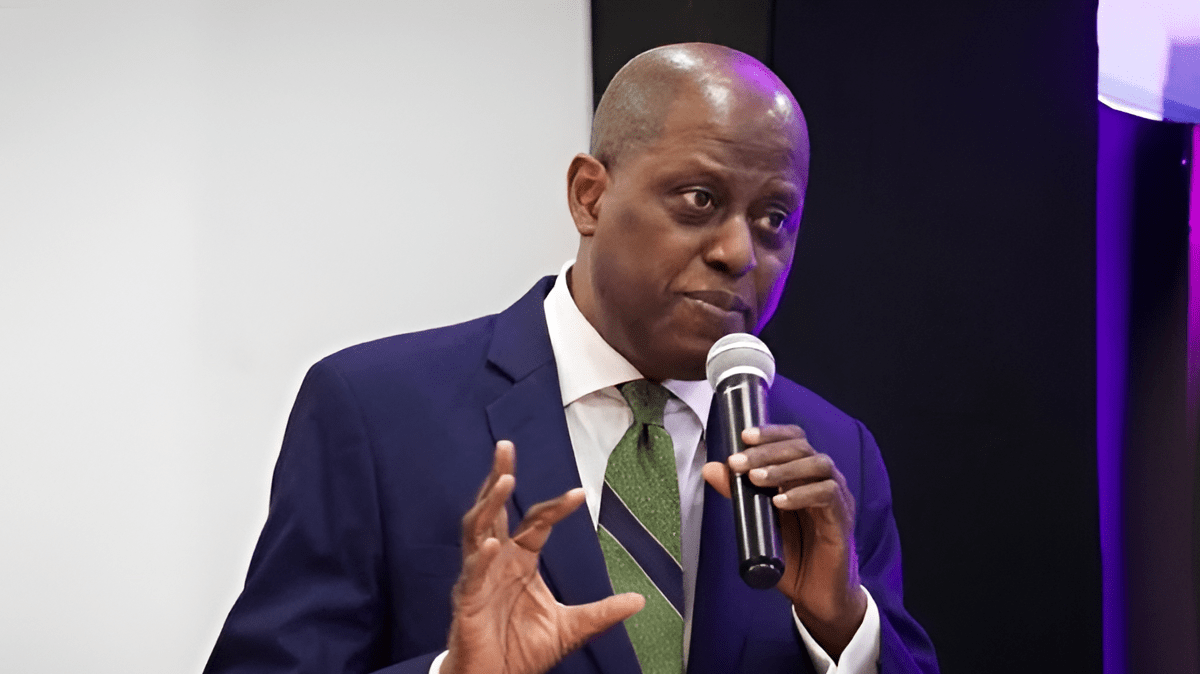
Governor Olayemi Cardoso unveiled the plan in Abuja during the first Monetary Policy Forum of 2026, describing it as the next phase in Nigeria’s economic reset focused on consolidating recent gains rather than introducing sweeping new measures.
A Shift to Consolidation
Cardoso said the Monetary Policy Committee (MPC) will prioritise sustaining the downward trend in inflation, maintaining exchange rate stability, and improving liquidity across the banking sector.
“Our next phase is about consolidation,” he said. “We are working to firmly anchor inflation on a path toward single digits, preserve exchange rate stability, strengthen reserves through organic inflows, and deepen the interbank market.”
He added that improving how monetary policy decisions transmit through the economy would also be a key focus, ensuring that policy changes have real impact on businesses and households.
Coordination Is Key
The CBN governor stressed that achieving these goals will require close collaboration between monetary and fiscal authorities, alongside disciplined implementation and active engagement with stakeholders.
He noted that while Nigeria’s outlook remains cautiously optimistic, the road ahead is not without risks.
Globally, Cardoso projected economic growth at 3.3 percent in 2026 but warned that tight financial conditions, lingering effects of previous monetary tightening, and geopolitical tensions could weigh on recovery.
He also pointed to instability in the Middle East as a potential threat, particularly due to its influence on global oil prices—an important factor for Nigeria’s revenue.
🇳🇬 Domestic Outlook: Growth with Risks
On the home front, Cardoso projected Nigeria’s economy would grow by about 4.49 percent, supported by ongoing reforms, improved oil output, and a more market-driven foreign exchange system.
However, he flagged several downside risks, including:
- Food supply challenges
- Infrastructure gaps
- Election-related spending pressures
Despite these concerns, he expressed confidence that stronger macroeconomic fundamentals and improved coordination between institutions would help cushion potential shocks.
FG Eyes Faster Growth
In a supporting address, Minister of Finance Wale Edun said the Federal Government is aiming for a more aggressive growth trajectory.
“Our goal is about 7 percent GDP growth,” he said. “That level of expansion is necessary to significantly reduce poverty and improve living standards.”
Edun acknowledged the delicate balance policymakers must strike between controlling inflation and sustaining growth, noting that interest rates remain a critical though costly tool in managing price stability.
He expressed optimism that borrowing costs could gradually ease as inflation slows and reforms begin to take hold.
FX Reforms and Investor Confidence
Edun also welcomed ongoing reforms in the foreign exchange market, saying improved transparency would reduce uncertainty, attract investment, and support disinflation efforts.
He praised the CBN’s move toward an inflation-targeting framework, describing it as a major step toward boosting policy credibility and encouraging long-term investment.
Progress, But Work Remains
Also speaking, Mohammed Sani Abdullahi said Nigeria’s macroeconomic environment has improved since the last policy forum in January 2025.
He pointed to moderating inflation, a more stable FX market, and stronger investor confidence as signs of progress, driven in part by better coordination between fiscal and monetary authorities.
Still, he cautioned that stability is not a one-time achievement.
“The journey toward sustainable macroeconomic stability is continuous,” Abdullahi said. “It requires consistent reforms, strong coordination, and active participation from all stakeholders.”
The Bigger Picture
The CBN’s 2026 agenda signals a shift from emergency interventions to long-term stability focusing on tightening systems, improving policy effectiveness, and building resilience.
But with inflation still elevated, borrowing costs high, and structural challenges lingering, the success of this strategy will depend not just on policy design but on execution.
For Nigerians, the real test will be whether these plans translate into lower prices, a stronger currency, and a more stable economic environment in the months ahead.
About the Author