Apex bank signals shift toward transparency and market-driven pricing as reforms begin to reshape Nigeria’s foreign exchange landscape…..
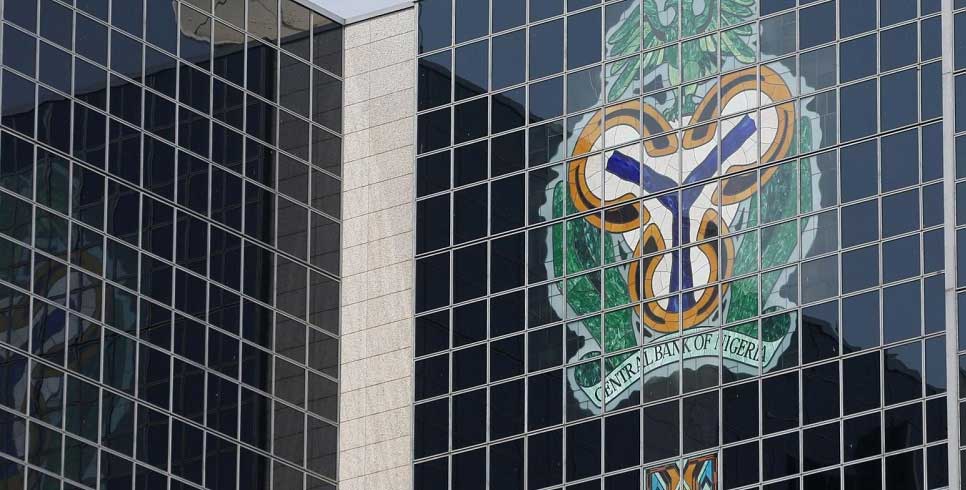
The Central Bank of Nigeria is set to introduce a new foreign exchange (FX) manual aimed at attracting more inflows and strengthening stability in Nigeria’s currency market.
The announcement was made by the CBN’s Deputy Governor for Economic Policy, Muhammad Abdullahi, during the Nigeria Development Update event hosted by the World Bank in Abuja.
According to Abdullahi, the new framework is part of broader reforms designed to improve transparency, boost investor confidence, and enhance the overall efficiency of the FX market.
“We are going to be launching a new foreign exchange manual to ensure that we’re opening up all the doors for more inflow,” he said.
Shift Toward Market-Driven FX System
Abdullahi noted that recent policy changes have significantly reduced the need for aggressive central bank interventions, allowing market forces to play a more prominent role in determining exchange rates.
“Nigeria has not had to spend heavily to stabilise its currency… the pricing is transparent, it’s credible, and we’re allowing the market to determine the cost,” he stated.
This marks a notable shift from past practices where the apex bank frequently intervened to defend the naira, often at the expense of foreign reserves.
Inflation Fight Remains Top Priority
Beyond FX reforms, the CBN reiterated its commitment to restoring price stability, with Abdullahi describing inflation control as central to economic recovery.
“We’ve been on a solid disinflation journey for over a year and the target, of course, is to get to single-digit inflation,” he said.
While acknowledging progress, he warned that inflation remains elevated.
“Fifteen percent inflation is still high… we are strictly working every day to ensure that we’re able to get inflation down, because that’s the biggest tax to the poor,” he added.
Government Sees Stronger Economic Resilience
Also speaking at the event, Nigeria’s Minister of Finance and Coordinating Minister of the Economy, Wale Edun, said the country is now better positioned to withstand global economic shocks, including those linked to geopolitical tensions in the Middle East.
He pointed to improved fuel availability as a key indicator of resilience, noting that despite higher prices, supply has remained stable.
“In Nigeria of today, where there are no petrol queues yes, the prices have gone up, but there’s still supply… the economy and society are running,” he said.
Edun credited ongoing reforms under President Bola Tinubu for strengthening the economy and reducing vulnerabilities that previously led to supply disruptions.
Balancing Oil Gains with Inflation Risks
The minister added that while rising global oil prices could boost government revenues, they also pose risks through higher energy and food costs.
According to him, the economic management team is actively assessing different scenarios, with a focus on sustaining growth while protecting households from inflationary pressures.
“The way we are going to substantially lift millions of Nigerians out of poverty is by investment,” Edun said, stressing the importance of capital inflows in driving job creation.
He also reaffirmed the government’s commitment to targeted social support programmes, including digital cash transfers to vulnerable citizens.
World Bank: Progress Visible, But Risks Remain
In his remarks, Mathew Verghis, Country Director of the World Bank for Nigeria, acknowledged that reforms introduced since mid-2023 are beginning to deliver results.
He cited improvements in external balances and signs of moderating inflation but cautioned that price pressures remain a major concern for households.
“Reducing high inflation is probably the single fastest way to allow people to feel the benefits of reforms,” he said.
Verghis also emphasised the need for continued reforms in the energy sector, describing it as critical to unlocking long-term growth and achieving Nigeria’s economic ambitions.
Outlook
With a new FX manual on the horizon and broader reforms taking shape, policymakers are betting on a more transparent and market-driven system to attract foreign capital and stabilise the naira.
However, the success of these efforts will depend largely on sustained policy discipline, continued investor confidence, and the ability to bring inflation under control in the months ahead.