Cardoso highlights Nigeria’s reforms, stricter banking rules, and fintech strategy while urging continent-wide coordination to safeguard financial stability…..
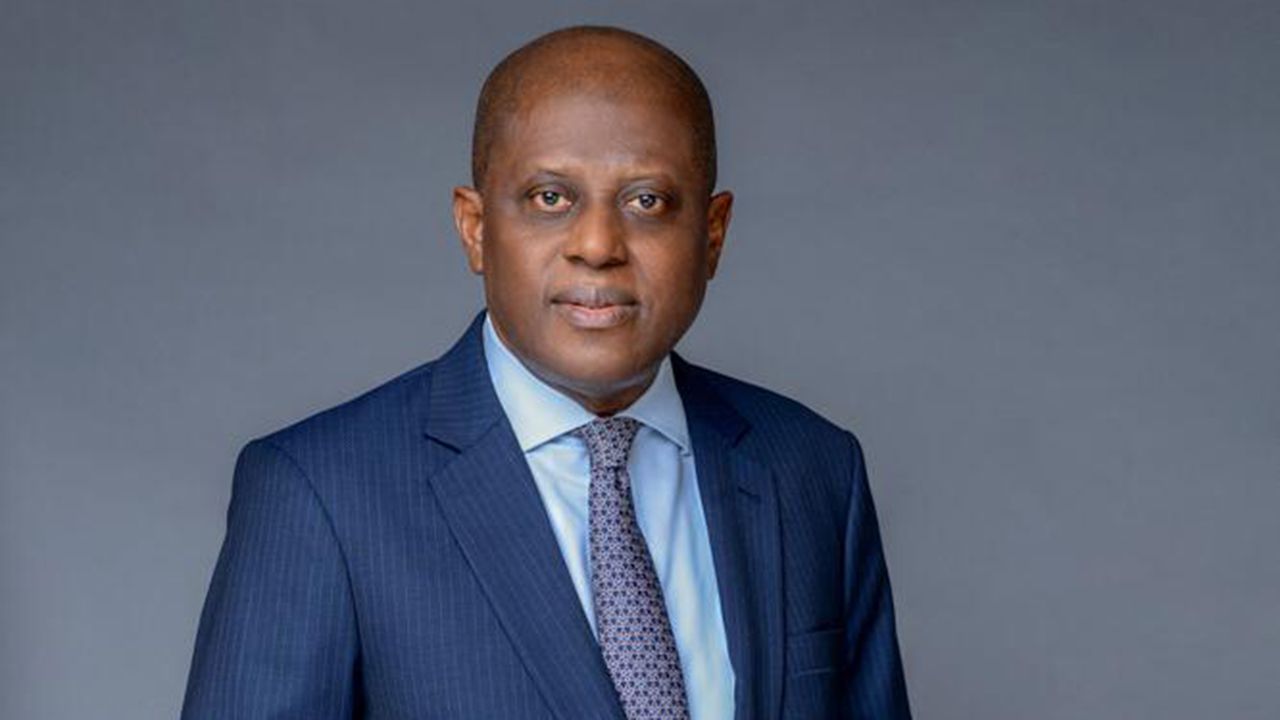
The Governor of the Central Bank of Nigeria, Olayemi Cardoso, has called on financial regulators across Africa to deepen collaboration as banking systems become increasingly interconnected across borders.
Speaking in Abuja on Tuesday at the fourth Annual IMF/AFRITAC West 2 High-Level Executive Forum, Cardoso stressed that the pace of financial integration on the continent is now outstripping political coordination making cooperation among regulators critical rather than optional.
He warned that without stronger alignment, cross-border risks could undermine financial stability, noting that a fragmented regulatory approach is no longer sufficient for today’s realities.
Cardoso advocated for the adoption of shared prudential frameworks tailored to Africa’s unique economic environment. According to him, a unified approach would enable regulators to respond more effectively to emerging threats while also supporting inclusive economic growth.
Drawing attention to Nigeria’s own efforts, the CBN governor pointed to reforms aimed at strengthening the country’s financial system. He recalled the launch of the Banking Sector Recapitalisation Programme in 2024, a move designed to fortify banks against future shocks.
The initiative, he said, attracted ₦4.61 trillion in fresh capital, with nearly 27 percent coming from foreign investors. Despite economic headwinds such as subsidy removal and exchange rate adjustments, Nigerian banks have continued to expand their presence across African markets.
Cardoso also reaffirmed the apex bank’s tough stance on corporate governance, making it clear that regulatory leniency is a thing of the past.
“Our position is clear there is zero tolerance for violations,” he stated, adding that stricter oversight and enforcement have already improved compliance levels across the sector.
As part of these measures, the CBN has moved to restrict banking services for large, persistent loan defaulters. The policy, he explained, is aimed at enforcing credit discipline, protecting depositors, and preserving the integrity of the financial system.
On monetary policy, Cardoso reiterated that the central bank remains committed to orthodox strategies focused on restoring price stability and rebuilding confidence. He emphasized that consistency and discipline will remain central to policy decisions going forward.
The governor also addressed the rapid evolution of financial technology, outlining the CBN’s approach to regulating fintech in a way that encourages innovation without compromising stability. He noted that ongoing reforms and policy frameworks are helping to strengthen the bank’s supervisory capacity in a fast-changing digital landscape.
Beyond Nigeria, Cardoso urged the forum to serve as a platform for sustained dialogue and collective action among African regulators. He emphasized the importance of sharing knowledge, aligning strategies, and developing coordinated responses to global financial trends.
In his remarks, a representative of the International Monetary Fund highlighted the significance of the gathering as a space for practical exchange between IMF experts and national regulators.
Discussions at this year’s forum focused on a range of emerging risks, including digital finance, artificial intelligence, fintech expansion, and climate-related financial challenges all of which require coordinated regional responses.
With participation from senior officials, including central bank deputy governors from six member countries, the forum underscored a shared commitment to collaboration in addressing Africa’s evolving financial stability landscape.
Cardoso concluded with a forward-looking vision: a continent where regulatory cooperation becomes a powerful tool for resilience, positioning Africa’s financial systems not just to withstand shocks, but to drive sustainable economic growth.
About the Author