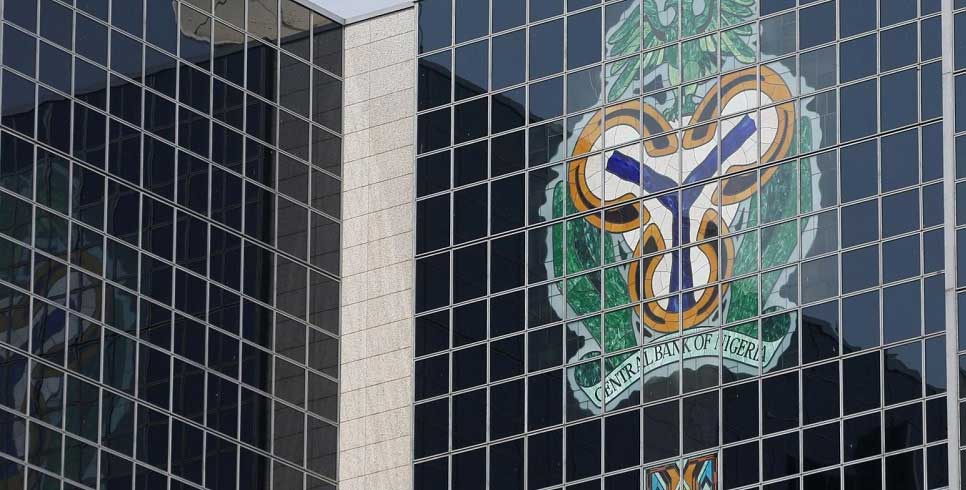
Apex bank labels viral claims “fake,” says financial system remains strong despite ongoing sector reforms….
The Central Bank of Nigeria has firmly denied widespread rumours suggesting that Polaris Bank is facing liquidation, describing the claims as false and misleading.
In a statement shared via its official X (formerly Twitter) account, the apex bank reassured Nigerians that the country’s banking system remains stable and secure, urging the public to disregard the circulating reports.
The clarification follows a viral post alleging that Polaris Bank had failed to meet the Central Bank’s recapitalisation requirements and was on the brink of losing its operating licence. The post further claimed that the Nigeria Deposit Insurance Corporation was preparing to step in and oversee a liquidation process.
Adding to the speculation, the report suggested that prominent businessman Razaq Okoya, founder of the Eleganza Group, had made a move to acquire and revive the bank, pending regulatory approval.
However, the Central Bank dismissed the entire narrative, tagging the circulating content as “fake” and stressing that it does not reflect the true state of the financial sector.
“This content is fake. Let the public be guided. The Nigerian Banking System is safe and secure,” the bank stated.
Recapitalisation Progress and Sector Strength
The reassurance comes amid ongoing reforms in Nigeria’s banking sector. On April 1, the Central Bank confirmed that 33 banks successfully met new minimum capital requirements under its recapitalisation programme.
According to the regulator, the exercise carried out over 24 months led to the mobilisation of ₦4.65 trillion, strengthening capital adequacy ratios across the sector and pushing them above global Basel standards.
While most institutions have complied, the apex bank noted that a small number of banks are still undergoing regulatory and legal processes, which are being handled within established supervisory frameworks.
Background: Governance Shakeups and Past Controversies
The banking sector has seen increased regulatory scrutiny in recent years. In January 2024, the Central Bank took decisive action by dissolving the boards and management of Polaris Bank, Union Bank of Nigeria, and Keystone Bank as part of broader efforts to reinforce governance and stability.
Polaris Bank has also faced scrutiny in the past. In 2022, its sale process sparked controversy after claims emerged that a higher bid had been overlooked. The issue drew the attention of lawmakers, with the House of Representatives reportedly calling for a suspension of the transaction at the time.
More recently, legal developments involving Union Bank have added to the complex regulatory landscape. A Federal High Court in Lagos reportedly overturned the dissolution of its board and management in March, though the Central Bank has indicated it is reviewing the judgment while maintaining that the bank’s regulatory status remains unchanged.
Confidence Message to the Public
Despite these developments, the Central Bank’s latest statement appears aimed at calming nerves and reinforcing confidence in the financial system.
By swiftly debunking the Polaris Bank liquidation rumours, the regulator is signalling that while reforms and oversight actions continue, the overall banking system remains resilient and well-capitalised.
For customers and investors alike, the message is clear: Nigeria’s banking sector is undergoing reform, not collapse.