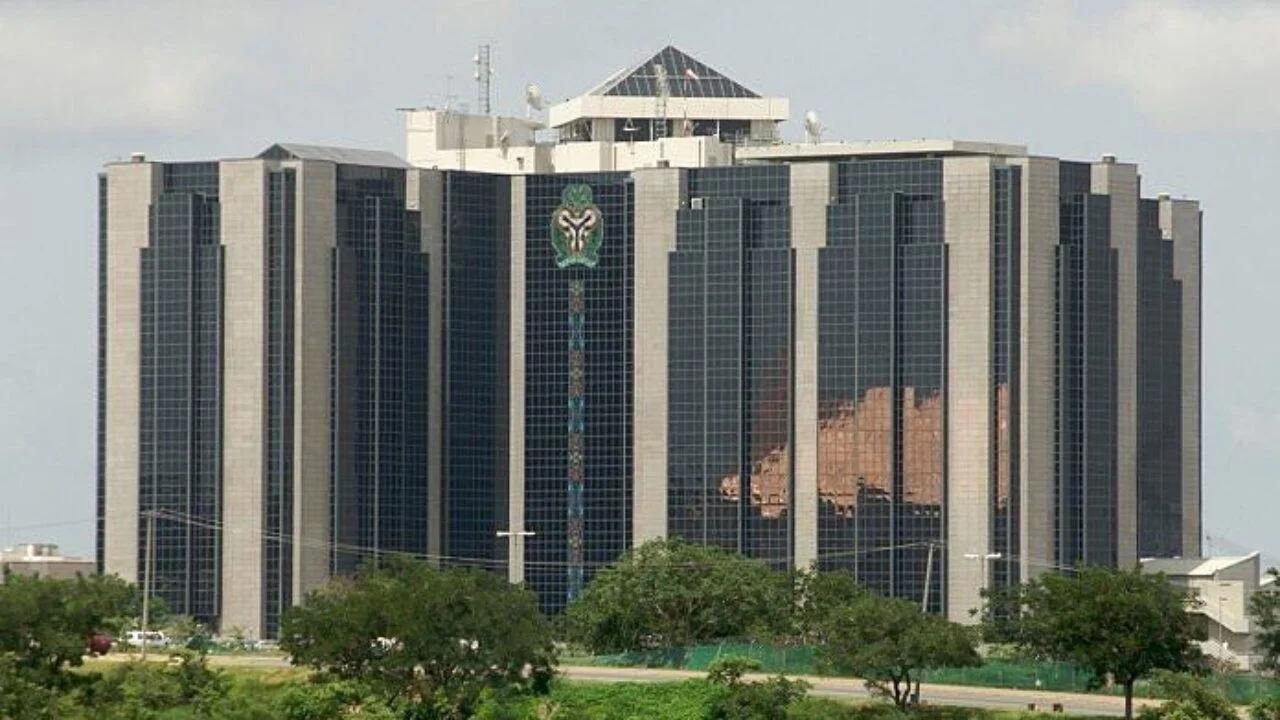
Apex bank says lenders can now fund SMEs, mega infrastructure, and industrial growth as Nigeria targets a trillion-dollar economy…..
The Central Bank of Nigeria has announced that Nigerian banks are now significantly better equipped to finance key sectors of the economy following the completion of its sweeping recapitalisation programme.
In a fact sheet released on Saturday, the regulator revealed that the exercise led to the mobilisation of ₦4.65 trillion in fresh capital, with 33 financial institutions meeting the new minimum capital requirements.
According to the apex bank, the strengthened capital base positions lenders to support small and medium enterprises (SMEs), large-scale infrastructure, and industrial projects that require long-term funding.
The Central Bank of Nigeria said the recapitalisation marks a turning point for the financial sector, enabling banks to take on larger and more complex financing commitments across critical sectors such as:
- Energy
- Manufacturing
- Technology
“Increased capital enables banks to finance infrastructure, energy, manufacturing, and technology projects that require long-term, high-value funding,” the regulator stated.
It added that the move will directly support Nigeria’s push for industrialisation and export diversification, key pillars of the government’s economic strategy.
Boost for Stability and Risk Management
Beyond lending capacity, the apex bank emphasised that stronger balance sheets will improve the resilience of the banking system.
With larger capital buffers, banks are expected to:
- Better absorb economic shocks
- Align with global regulatory standards
- Strengthen governance and risk management practices
The regulator described the reform as essential to building banks that are “fit for purpose” in a fast-growing economy.
Supporting a $1 Trillion Economy Vision
Commenting on the development, CBN Governor Olayemi Cardoso said a robust financial system is critical to achieving sustainable economic growth.
“This recapitalisation ensures Nigerian banks can fund the scale of transactions needed to drive a $1 trillion economy,” he said.
He added that the programme has reinforced the resilience of the financial system, positioning it to withstand both domestic and external shocks.
Wider Economic Impact
The recapitalisation is also expected to:
- Expand access to credit across the economy
- Deepen financial inclusion
- Improve monetary policy transmission
- Support inflation control efforts
According to the Central Bank of Nigeria, the reform aligns closely with broader fiscal and monetary objectives, ensuring that the banking sector can effectively support economic expansion.
While the majority of banks have met the new thresholds, the regulator noted that institutions yet to fully comply remain operational and are continuing their recapitalisation efforts.
The apex bank described the exercise as the most significant overhaul of Nigeria’s banking sector since the 2005 consolidation era, underscoring its importance in shaping the future of the financial system.