Global recognition follows bold policy reset, FX overhaul, and aggressive inflation fight under new leadership…..
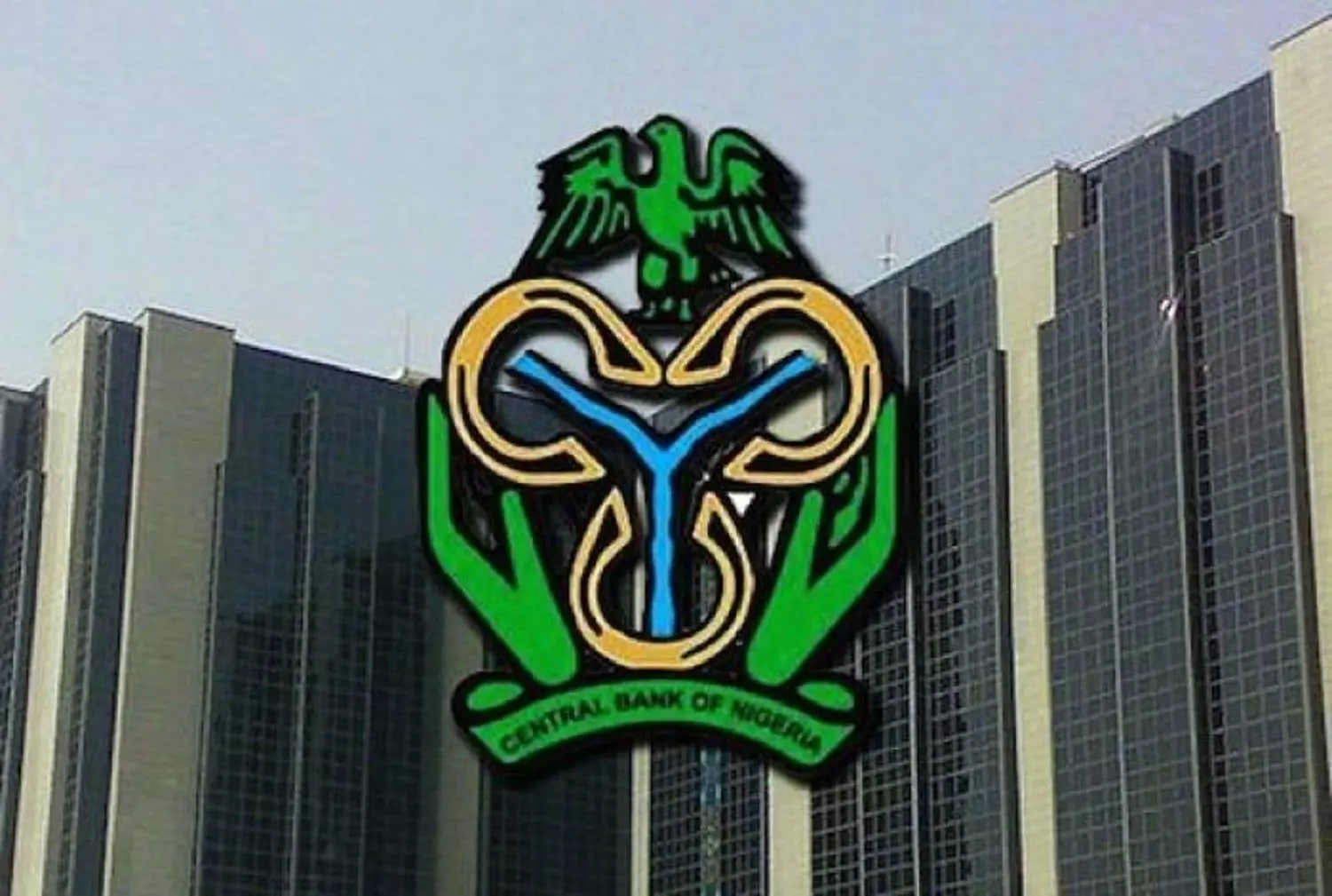
The Central Bank of Nigeria (CBN) has been named the world’s “Central Bank of the Year” at the 2026 Central Banking Awards, capping a dramatic turnaround driven by sweeping reforms that have reshaped the country’s economic landscape.
The recognition, announced by the awards committee, highlights a series of bold policy decisions and institutional changes that helped restore investor confidence, stabilise financial markets, and steer Africa’s largest economy away from the brink of deeper crisis.
From Instability to Reform
Before the reform wave began, Nigeria’s economy was under intense pressure. Inflation was rising rapidly, foreign exchange reserves were thinning, and a wide gap between official and parallel market exchange rates had created significant distortions.
By 2023, inflation had climbed above 22 percent, while foreign exchange shortages left billions of dollars in unmet obligations. The disparity between official and black-market rates had widened sharply, undermining confidence and complicating business operations.
Economic stagnation and inconsistent policies had also eroded Nigeria’s standing on the continent, with the country slipping behind several African peers in economic rankings.
At one point, concerns were mounting that the country could drift toward severe macroeconomic instability if decisive action was not taken.
A Turning Point in Leadership
The tide began to shift following the appointment of Olayemi Cardoso as CBN Governor in October 2023. Under his leadership, the apex bank launched a comprehensive reform agenda aimed at restoring discipline, transparency, and credibility to monetary policy.
Key priorities included ending quasi-fiscal interventions, tightening monetary policy, and re-establishing the independence of the central bank steps that formed the backbone of a broader economic reset.
FX Market Overhaul Restores Confidence
One of the most significant changes came in the foreign exchange market. The CBN dismantled the multiple exchange rate system and introduced a unified, market-driven framework based on a willing-buyer, willing-seller model.
An electronic FX matching platform was also deployed to improve transparency and price discovery, helping to rebuild trust among investors and market participants.
As a result, the naira stabilised within a narrower range, while the once-wide gap between official and parallel market rates shrank dramatically—from over 60 percent to under 2 percent.
The central bank also cleared long-standing FX backlogs owed to key sectors, including aviation and manufacturing, easing pressure on businesses and restoring confidence in the system.
Reserves Rebound, Inflows Strengthen
Improved FX liquidity, stronger capital inflows, and rising non-oil exports contributed to a sharp increase in Nigeria’s external reserves, which climbed to $46.7 billion by late 2025, the highest level in nearly seven years.
The rebound provided the country with a stronger buffer, covering more than 10 months of imports and reinforcing macroeconomic stability.
International institutions took notice. The International Monetary Fund, in its 2025 assessment, commended the reforms, noting improved liquidity and renewed market confidence.
Taming Inflation Through Tough Measures
To rein in inflation, the CBN adopted an aggressive monetary tightening stance, raising interest rates significantly between 2023 and 2024.
Although inflation initially surged driven by subsidy removal and currency liberalisation it began to ease steadily, falling to just over 15 percent by early 2026. Food inflation also moderated, reflecting improved price stability.
With inflation trending downward, the central bank has cautiously begun easing rates, signaling a gradual shift toward a more balanced policy stance.
Still, officials insist the job is not done. The bank has reiterated its commitment to driving inflation to lower levels, with plans to transition toward a full inflation-targeting framework.
Banking Sector and Digital Finance Reforms
Beyond monetary policy, the CBN also introduced sweeping structural reforms across the banking sector.
A recapitalisation programme launched in 2024 required banks to raise fresh capital to meet higher thresholds, strengthening the resilience of the financial system. So far, dozens of banks have responded, with many already meeting the new requirements ahead of the deadline.
Supervision has also been tightened, with a shift toward global Basel III standards to improve risk management and liquidity oversight.
At the same time, financial inclusion has expanded. Microfinance lending has grown, while digital credit platforms have reached over a million small businesses broadening access to finance across the economy.
In the payments space, reforms to cash management, ATM operations, and agent networks have improved efficiency, while the rise of contactless payments and fintech innovation continues to reshape the financial ecosystem.
Global Recognition and Market Return
The impact of these reforms has been reflected in improved international ratings. Major credit rating agencies upgraded Nigeria’s outlook, citing stronger policy credibility and improved economic fundamentals.
Nigeria also successfully returned to the international capital market, raising $2.35 billion through a Eurobond issuance that attracted strong investor demand.
Additionally, enhanced governance and compliance measures helped secure Nigeria’s removal from the global anti-money laundering grey list—another milestone in rebuilding international confidence.
Challenges Remain, But Momentum Builds
Despite the progress, the awards committee noted that key challenges remain, including sustaining disinflation, completing bank recapitalisation, and strengthening institutional frameworks.
Even so, the scale and speed of the reforms have been widely acknowledged as transformative.
For many observers, the recognition of the CBN as the world’s top central bank is not just an achievement, it is a signal that Nigeria’s economic management is entering a new phase, defined by discipline, credibility, and renewed global confidence.
About the Author